
M55909

Methyl methacrylate
contains ≤30 ppm MEHQ as inhibitor, 99%
Synonym(s):
Methacrylic acid methyl ester, Methyl 2-methylprop-2-enoate, Methyl 2-methylpropenoate
Sign In to View Organizational & Contract Pricing.
Select a Size
Change View
About This Item
Linear Formula:
CH2=C(CH3)COOCH3
CAS Number:
Molecular Weight:
100.12
UNSPSC Code:
12162002
NACRES:
NA.23
PubChem Substance ID:
EC Number:
201-297-1
Beilstein/REAXYS Number:
605459
MDL number:
vapor density
3.5 (vs air)
Quality Segment
vapor pressure
29 mmHg ( 20 °C)
assay
99%
autoignition temp.
815 °F
contains
≤30 ppm MEHQ as inhibitor
expl. lim.
12.5 %
refractive index
n
bp
100 °C (lit.)
mp
−48 °C (lit.)
density
0.936 g/mL at 25 °C (lit.)
storage temp.
2-8°C
SMILES string
COC(=O)C(C)=C
InChI
1S/C5H8O2/c1-4(2)5(6)7-3/h1H2,2-3H3
InChI key
VVQNEPGJFQJSBK-UHFFFAOYSA-N
General description
Methyl methacrylate is an organic compound derived from methacrylic acid, which belongs to the class of acrylic acids. It is a highly reactive monomer and is commonly used in the production of polymers, specifically poly(methyl methacrylate) (PMMA). It is also used to synthesize various poly(methyl methacrylate) (PMMA) materials, which are transparent, hard, and durable. These materials have a wide range of applications, including optical lenses, optoelectronic devices, automotive parts, and medical devices. It is also a good solvent for several polymers and provides high adhesive strength.
Application
Methyl methacrylate can be used as a monomer to prepare:
- Lanthanide-complex grafted poly(methyl methacrylate-co-maleic anhydride) copolymer. These luminescent polymers exhibit high thermal stability and can be used as luminous layers for optoelectronic devices.
- Poly (methyl methacrylate) (PMMA), is a common material used in the production of lenses for concentrating photovoltaic (CPV) modules.
- Polymethyl methacrylate, methyl methacrylate crosspolymer, and methyl methacrylate/glycol dimethacrylate crosspolymers. These polymers are used in cosmetic surgery, dentistry, and joint replacement.
- Poly (methyl methacrylate) (PMMA)-based personalized medical devices.
- Interpenetrating methyl methacrylate-based polymeric networks with enhanced thermal and mechanical properties.
- Poly(methyl methacrylate-co-hydroxyethyl methacrylate) (PMMA-co-PHEMA) copolymers by emulsion copolymerization. These copolymers form thermooxidatively stable and ductile films.
- Poly(methyl methacrylate) nanoparticles through differential microemulsion polymerization.
Still not finding the right product?
Explore all of our products under Methyl methacrylate
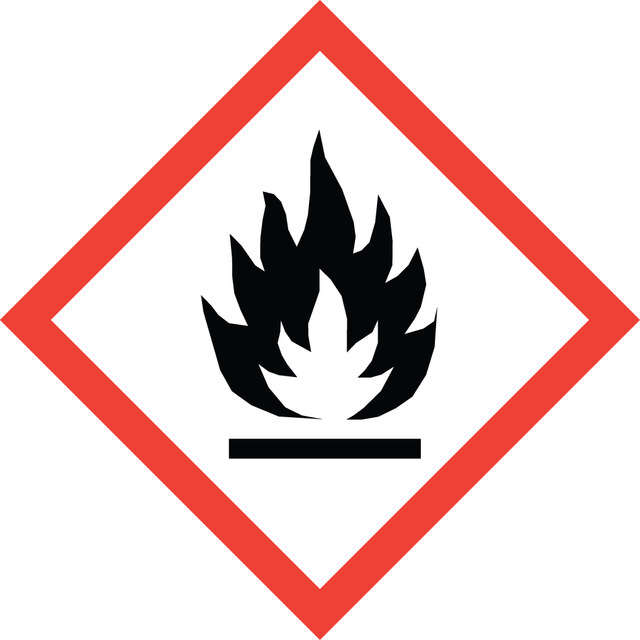
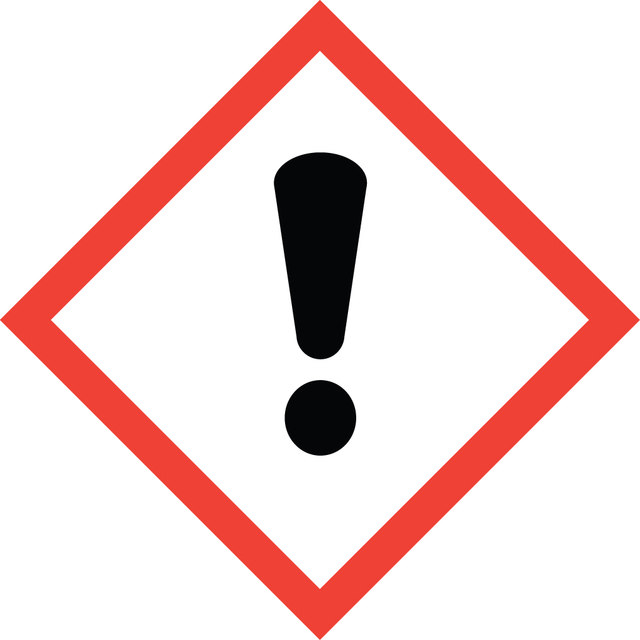
signalword
Danger
hcodes
Hazard Classifications
Flam. Liq. 2 - Skin Irrit. 2 - Skin Sens. 1B - STOT SE 3
target_organs
Respiratory system
Storage Class
3 - Flammable liquids
flash_point_f
50.0 °F - closed cup
flash_point_c
10 °C - closed cup
ppe
Eyeshields, Faceshields, Gloves, type ABEK (EN14387) respirator filter
Choose from one of the most recent versions:
Already Own This Product?
Find documentation for the products that you have recently purchased in the Document Library.