
P3803

Phenol:Chloroform:Isoamyl Alcohol 25:24:1
Molecular Biology
Synonym(s):
DNA extraction
Sign In to View Organizational & Contract Pricing.
Select a Size
Change View
About This Item
NACRES:
NA.52
UNSPSC Code:
12190000
Assay:
≥99.0%
Grade:
Molecular Biology
grade
Molecular Biology
Quality Segment
assay
≥99.0%
form
liquid
pH
6.5-6.9(pH of phenolic phase)
application(s)
agriculture
storage temp.
2-8°C
Application
Removal of proteins from nucleic acids can be achieved by extraction with phenol:chloroform: isoamyl alcohol solutions. For crude mixtures of nucleic acids, digestion with a broad range proteolytic enzyme prior to the phenol:chloroform extraction may be beneficial. Although proteins are efficiently denatured by phenol, RNase activity is not completely inhibited. Therefore, a small amount of isoamyl alcohol is added to further ensure the deactivation of RNase activity. Please see Product Information Sheet for the protocol for removal of proteins from nucleic acids.
Other Notes
For DNA extraction, the pH of the phenol phase can be adjusted to 8.0 by equilibration with tris buffer. Sigma offers product P2069 specifically for DNA extractions. This product includes equilibration buffer for the convenience of adjusting the pH.
This product has a shelf life of two years.
Disclaimer
If phenol solutions come in contact with skin, burns will occur quickly. It is, therefore, required that the user wear appropriate laboratory clothing including gloves and protective eyewear. In case of direct skin contact, rinse extensively with water and seek medical attention if necessary.
Still not finding the right product?
Explore all of our products under Phenol:Chloroform:Isoamyl Alcohol 25:24:1
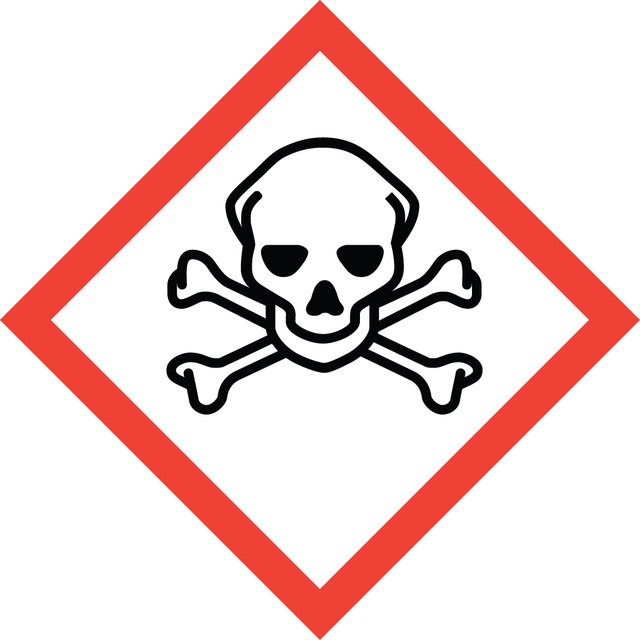
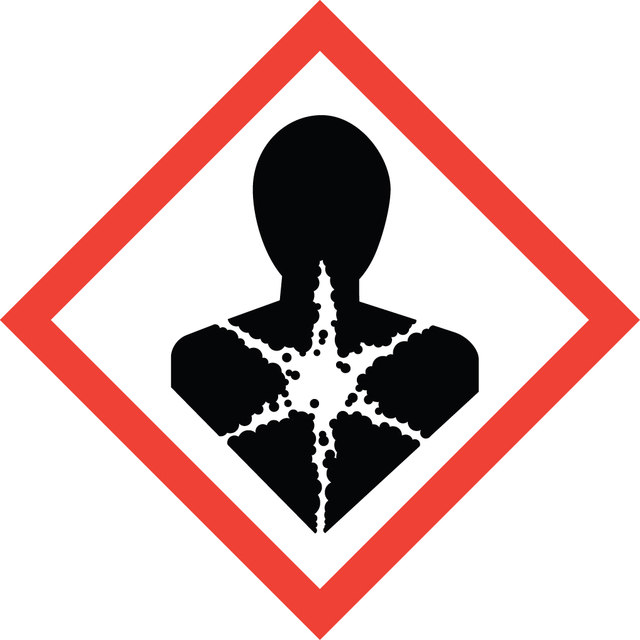
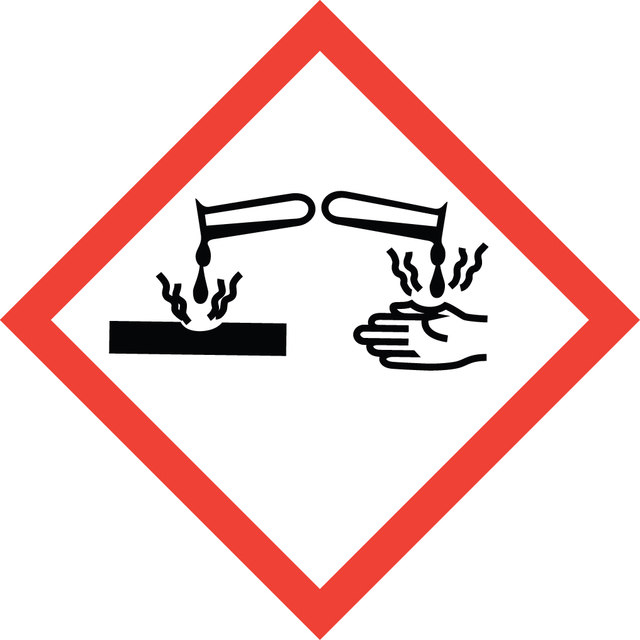
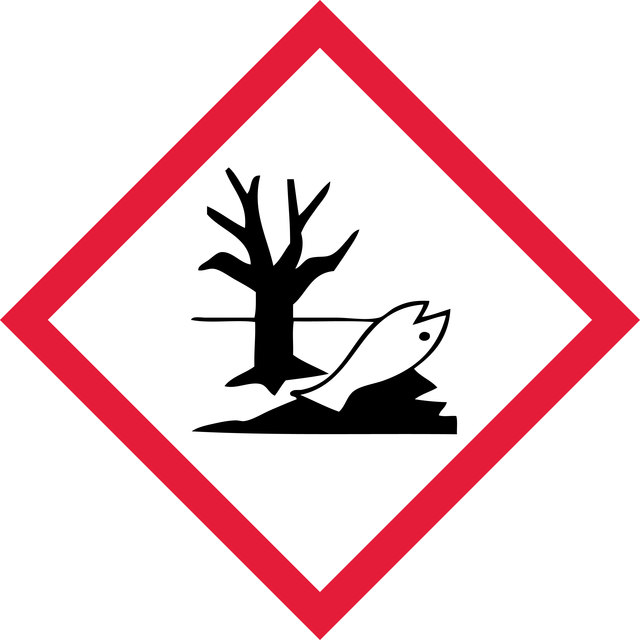
signalword
Danger
Hazard Classifications
Acute Tox. 3 Oral - Acute Tox. 4 Dermal - Acute Tox. 4 Inhalation - Aquatic Chronic 2 - Carc. 2 - Eye Dam. 1 - Muta. 2 - Repr. 2 - Skin Corr. 1B - STOT RE 1 Oral - STOT RE 2 - STOT SE 3
target_organs
Central nervous system, Liver,Kidney, Nervous system,Kidney,Liver,Skin
Storage Class
6.1A - Combustible acute toxic Cat. 1 and 2 / very toxic hazardous materials
flash_point_f
Not applicable
flash_point_c
Not applicable
Choose from one of the most recent versions:
Already Own This Product?
Find documentation for the products that you have recently purchased in the Document Library.