Sign In to View Organizational & Contract Pricing.
Select a Size
Change View
About This Item
Empirical Formula (Hill Notation):
C6H6O
CAS Number:
Molecular Weight:
94.11
UNSPSC Code:
12352104
NACRES:
NA.52
PubChem Substance ID:
EC Number:
203-632-7
Beilstein/REAXYS Number:
6428463
MDL number:
Assay:
≥99.0% (GC)
Grade:
Molecular Biology
grade
Molecular Biology
product line
BioReagent
assay
≥99.0% (GC)
form
liquid
dilution
(for analytical testing)
pH
7.7-8.1 (25 °C)
storage temp.
2-8°C
SMILES string
Oc1ccccc1
InChI
1S/C6H6O/c7-6-4-2-1-3-5-6/h1-5,7H
InChI key
ISWSIDIOOBJBQZ-UHFFFAOYSA-N
Gene Information
human ... GABRA1(2554)
General description
A tris-equilibrated phenol solution is a clear liquid capped with a layer of Tris buffer. Phenol solutions can be used for a wide variety of molecular biology applications. Organic compounds like phenols have an aromatic carbocyclic ring with a hydroxyl group attached directly to it. The common name for monohydroxybenzene is phenol.
Application
Phenol solution has been used:
- as a component of the digestion reaction mix to prepare RNase-free plasmids for in vitro translation in a rabbit reticulocyte lysate
- for extraction of DNA from Arabidopsis thaliana Rosette leaves
- in the extraction of DNA from blood on preservation paper by standard phenol-chloroform protocol
- as a component of extraction buffer to extract RNA from fruit pulp
- for the extraction of protein from roots
- for the isolation of fecal DNA
- for the extraction of caged RNA
Biochem/physiol Actions
The phenol-chloroform extraction method is widely employed to extract nucleic acids. Even though phenol does not completely inhibit RNase activity, its unique characteristic makes it beneficial for the isolation of nucleic acids when used in combination with chloroform and alcohol.
Other Notes
- 1 bottle Tris-equilabrated Phenol (product number P4557)
- Equilibration Buffer (product B5658)
Still not finding the right product?
Explore all of our products under Phenol solution
signalword
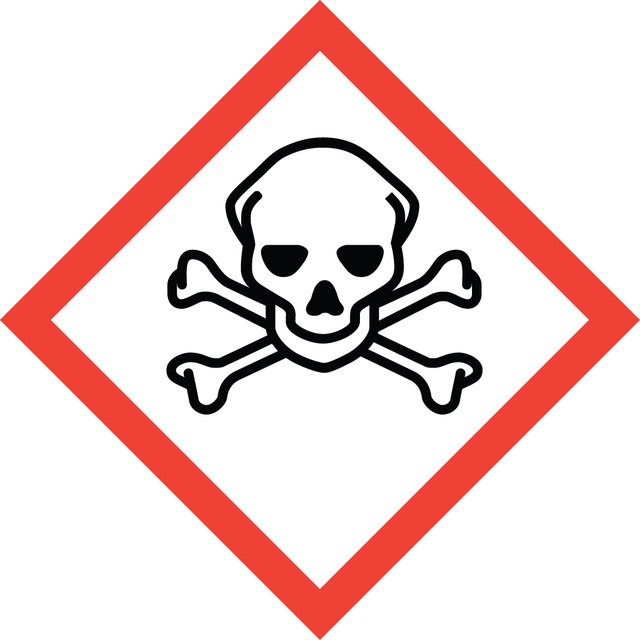
Danger
Hazard Classifications
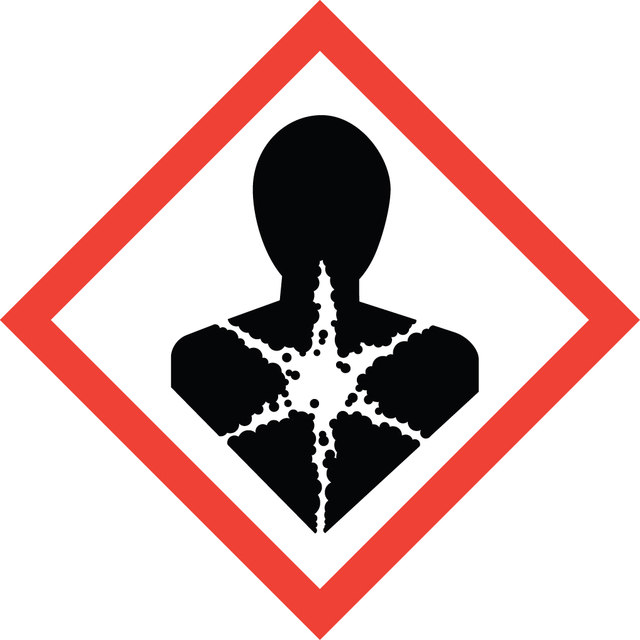
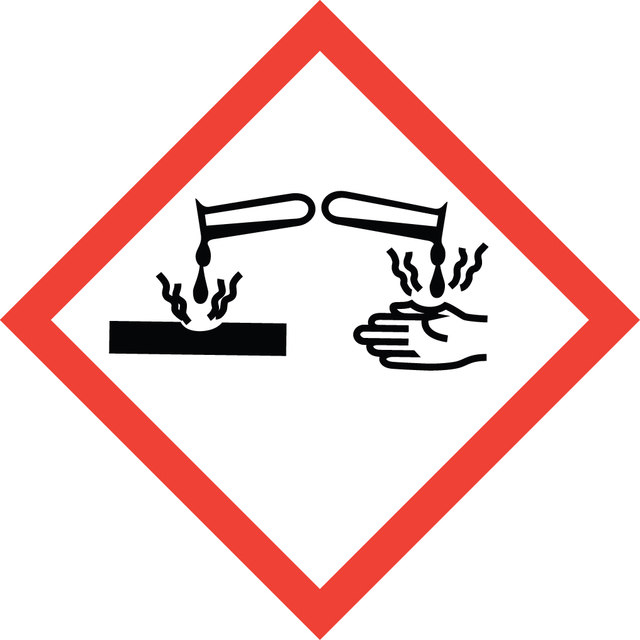
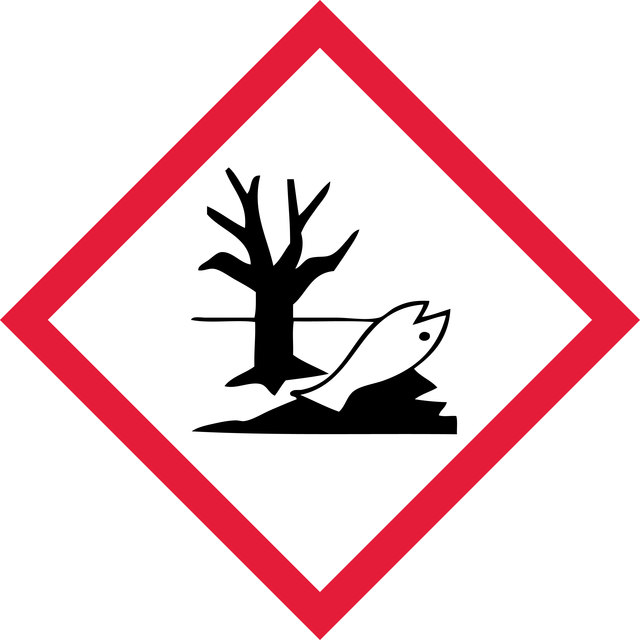
Acute Tox. 3 Dermal - Acute Tox. 3 Inhalation - Acute Tox. 3 Oral - Aquatic Chronic 2 - Eye Dam. 1 - Muta. 2 - Skin Corr. 1B - STOT RE 2
target_organs
Nervous system,Kidney,Liver,Skin
Storage Class
6.1A - Combustible acute toxic Cat. 1 and 2 / very toxic hazardous materials
wgk
WGK 2
flash_point_f
Not applicable
flash_point_c
Not applicable
ppe
Faceshields, Gloves, Goggles, type ABEK (EN14387) respirator filter
Regulatory Information
危险化学品
This item has
Choose from one of the most recent versions:
Already Own This Product?
Find documentation for the products that you have recently purchased in the Document Library.
Related Content
Debby Bogaert et al.
PloS one, 6(2), e17035-e17035 (2011-03-10)
The nasopharynx is the ecological niche for many commensal bacteria and for potential respiratory or invasive pathogens like Streptococcus pneumoniae, Haemophilus influenzae, and Neisseria meningitidis. Disturbance of a balanced nasopharyngeal (NP) microbiome might be involved in the onset of symptomatic
Michael B Powner et al.
Nature protocols, 7(6), 1086-1096 (2012-05-12)
The mouse retinal vasculature provides a powerful model system for studying development and pathologies of the vasculature. Because it forms as a two-dimensional flat plexus, it is easily imaged in its entirety in whole-mount retinal preparations. In order to study
Fecal Microbiome and Food Allergy in Pediatric Atopic Dermatitis: A Cross-Sectional Pilot Study
Fieten KB, et al.
International Archives of Allergy and Immunology, 175(1-2), 77-84 (2018)
Global Trade Item Number
| SKU | GTIN |
|---|---|
| P4557-100ML | 04061837898792 |
| P4557-400ML | 04061837898808 |