
203602

Lead(II) iodide
99.999% trace metals basis
Synonym(s):
Diiodolead, Plumbous iodide
Select a Size
About This Item
Quality Level
assay
99.999% trace metals basis
form
solid
reaction suitability
core: lead, reagent type: catalyst
impurities
≤15.0 ppm Trace Metal Analysis
bp
954 °C (lit.)
mp
402 °C (lit.)
density
6.16 g/mL at 25 °C (lit.)
application(s)
material synthesis precursor
perovskite solar cells
SMILES string
I[PbH2]I
InChI
1S/2HI.Pb/h2*1H;/q;;+2/p-2
InChI key
RQQRAHKHDFPBMC-UHFFFAOYSA-L
General description
Application
- A precursor salt in the fabrication of perovskite solar cells. The addition of a small molar excess of PbI2 to the precursor solution can enhance device performance by improving charge extraction.
- A potential electrode material in battery configurations due to its electrochemical properties. Its ability to undergo reversible reactions makes it a candidate for use in lead-based batteries.
- A key component in combination with lead monoxide (PbO) to create a stable and sensitive semiconductor detector material for non-destructive testing (NDT) radiation dose detection.
- A key component to develop X-ray detectors for medical imaging.
- To prepare cesium lead iodide perovskite quantum dots for highly stable LEDs.
Still not finding the right product?
Explore all of our products under Lead(II) iodide
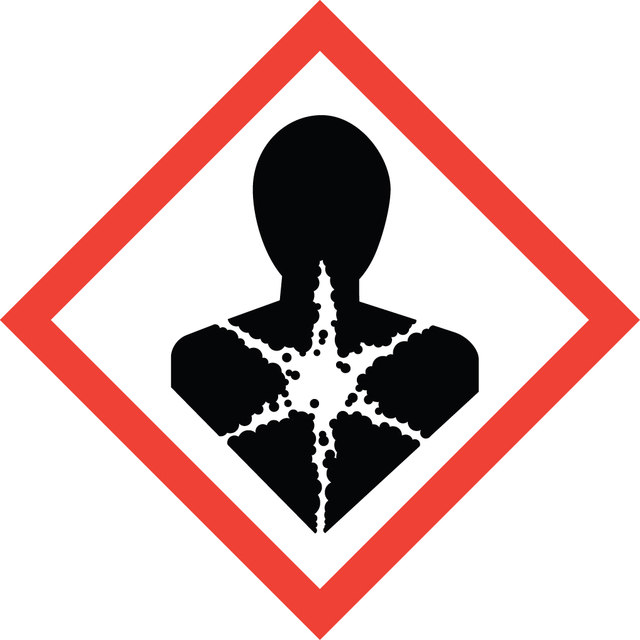


signalword
Danger
Hazard Classifications
Acute Tox. 4 Inhalation - Acute Tox. 4 Oral - Aquatic Acute 1 - Aquatic Chronic 1 - Repr. 1A - STOT RE 2
wgk
WGK 3
flash_point_f
Not applicable
flash_point_c
Not applicable
ppe
Eyeshields, Gloves, type P3 (EN 143) respirator cartridges
Storage Class
6.1D - Non-combustible acute toxic Cat.3 / toxic hazardous materials or hazardous materials causing chronic effects
Choose from one of the most recent versions:
Already Own This Product?
Find documentation for the products that you have recently purchased in the Document Library.
Articles
近几十年来,人们对于环境可持续、商业可行的能源的迫切需求,催生并推动了大量致力实现低生产成本、高能效发电系统的研究工作。
Controlled synthesis of metal clusters regulates ligands and atoms, advancing metal nanomaterial synthesis.
Colloidal quantum dots (CQDs) are semiconducting crystals of only a few nanometers (ca. 2–12 nm) coated with ligand/surfactant molecules to help prevent agglomeration.
Global Trade Item Number
| SKU | GTIN |
|---|---|
| 203602-1KG | 04065272930277 |
| 203602-250G | 04065272059800 |
| 203602-50G | 04061838766120 |