
408719

Polyethylenimine, branched
average Mw ~800 by LS, average Mn ~600 by GPC
Synonym(s):
PEI, ethylenediamine branched
Sign In to View Organizational & Contract Pricing.
Select a Size
Change View
About This Item
Linear Formula:
H(NHCH2CH2)nNH2
CAS Number:
UNSPSC Code:
12162002
NACRES:
NA.23
MDL number:
form
viscous liquid
Quality Segment
mol wt
average Mn ~600 by GPC, average Mw ~800 by LS
refractive index
n
density
1.050 g/mL at 25 °C
SMILES string
N1CC1.NCCN
InChI
1S/C2H8N2.C2H5N/c3-1-2-4;1-2-3-1/h1-4H2;3H,1-2H2
InChI key
SFLOAOINZSFFAE-UHFFFAOYSA-N
General description
Polyethyleneimine is a hydrophilic polymerwidely used as a non-viral synthetic vector for invivo delivery of therapeutic nucleic acids. Owing to its excellentphysicochemical properties, it is applied in many fields like the separationand purification of proteins, carbon dioxide absorption, drug carriers,effluent treatment, and biological labels.
Application
Branched PEI can be used as a precursor to synthesize conjugated polyplexes for efficient gene transfection. Conjugation of PEI with Jeffamine polyether and guanidinylation of the amino groups of PEI reduce the cytotoxicity of the polyplexes and protect them from aggregation in the presence of serum proteins.
Bamboo charcoal impregnated with PEI can be used as a CO2 adsorbent. Numerous amino groups present in PEI can react with CO2 due to acid-alkali interaction and enhance the adsorption capacity of bamboo charcoal.
It can also be used to prepare cross-linked water-soluble polymers with high coordination capabilities towards organic drug molecules.
Bamboo charcoal impregnated with PEI can be used as a CO2 adsorbent. Numerous amino groups present in PEI can react with CO2 due to acid-alkali interaction and enhance the adsorption capacity of bamboo charcoal.
It can also be used to prepare cross-linked water-soluble polymers with high coordination capabilities towards organic drug molecules.
Features and Benefits
- Branched PEI has better complexation and buffering capacity.
- High ion exchange capacity and affinity toward proteins.
- SignificantDNA transfer efficiency.
Physical form
Branched polymer


signalword
Danger
hcodes
Hazard Classifications
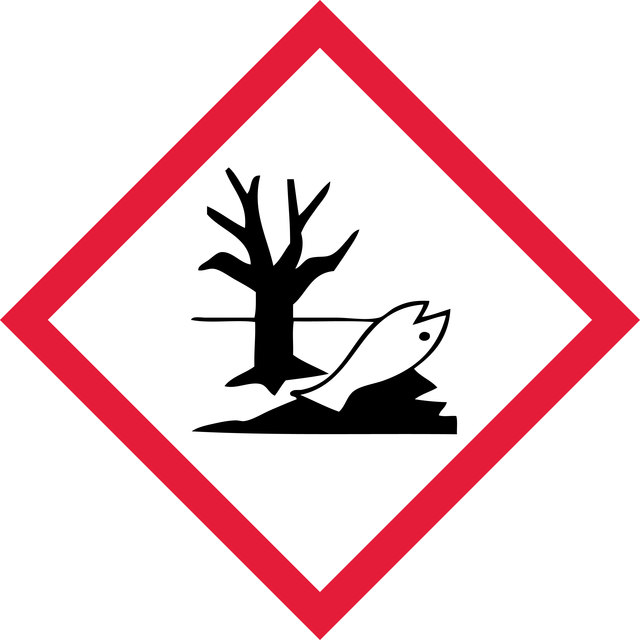
Acute Tox. 4 Oral - Aquatic Chronic 2 - Eye Dam. 1
Storage Class
10 - Combustible liquids
wgk
WGK 3
flash_point_f
356.0 °F
flash_point_c
180 °C
ppe
Eyeshields, Faceshields, Gloves, type ABEK (EN14387) respirator filter
Choose from one of the most recent versions:
Already Own This Product?
Find documentation for the products that you have recently purchased in the Document Library.