
32213-M

Methanol
≥99.8% (GC), ACS reagent, reag. Ph. Eur., USP/NF, reag. ISO
Synonym(s):
Methyl alcohol
Select a Size
About This Item
Product Name
Methanol, puriss. p.a., ACS reagent, reag. ISO, reag. Ph. Eur., ≥99.8% (GC)
agency
USP/NF, reag. ISO, reag. Ph. Eur.
vapor density
1.11 (vs air)
vapor pressure
410 mmHg ( 50 °C), 97.68 mmHg ( 20 °C)
grade
ACS reagent, puriss. p.a.
assay
≥99.8% (GC)
form
liquid
autoignition temp.
725 °F
expl. lim.
36 %
technique(s)
HPLC: suitable
impurities
≤0.00005% free alkali (as NH3), ≤0.0001% formaldehyde, ≤0.00025% KMnO4 red. matter (as O), ≤0.0005% non-volatile matter, ≤0.001% acetaldehyde, ≤0.001% acetone (GC), ≤0.05% water (Karl Fischer), ≤0.1% ethanol (GC)
refractive index
n20/D 1.329 (lit.)
bp
64.7 °C (lit.)
mp
−98 °C (lit.)
density
0.791 g/mL at 25 °C (lit.)
anion traces
chloride (Cl-): ≤0.5 mg/kg, sulfate (SO42-): ≤1 mg/kg
SMILES string
CO
cation traces
Al: ≤0.50 ppm, B: ≤0.02 ppm, Ba: ≤0.10 ppm, Bi: ≤0.10 ppm, Ca: ≤0.50 ppm, Cd: ≤0.05 ppm, Co: ≤0.02 ppm, Cr: ≤0.02 ppm, Cu: ≤0.01 ppm, Fe: ≤0.10 ppm, K: ≤0.50 ppm, Li: ≤0.10 ppm, Mg: ≤0.10 ppm, Mn: ≤0.01 ppm, Mo: ≤0.10 ppm, Na: ≤0.50 ppm, Ni: ≤0.02 ppm, Pb: ≤0.02 ppm, Sn: ≤0.10 ppm, Sr: ≤0.10 ppm, Zn: ≤0.10 ppm
format
neat
InChI
1S/CH4O/c1-2/h2H,1H3
InChI key
OKKJLVBELUTLKV-UHFFFAOYSA-N
General description
Application
- Colony forming unit-fibroblast assay of bone marrow mononuclear cells.
- As solvent for the preparation of extracts of hyphae of Aspergillus for the estimation of gliotoxin by reversed phase-HPLC.
- Immunofluorescence studies.
Packaging
Still not finding the right product?
Explore all of our products under Methanol
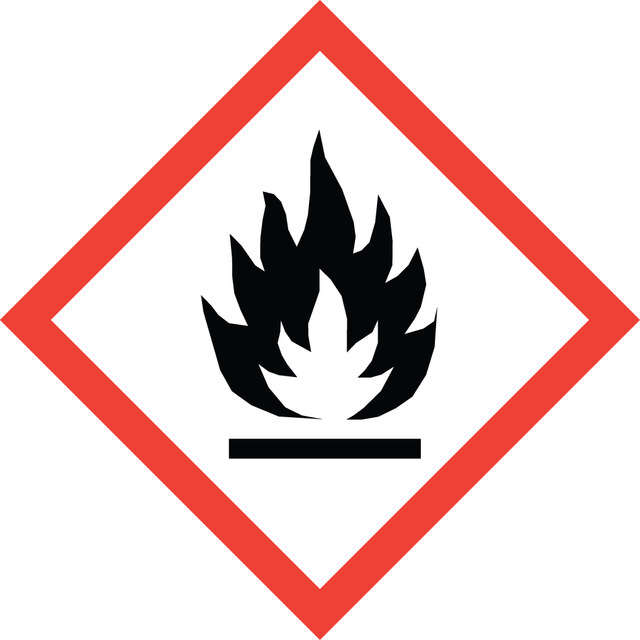
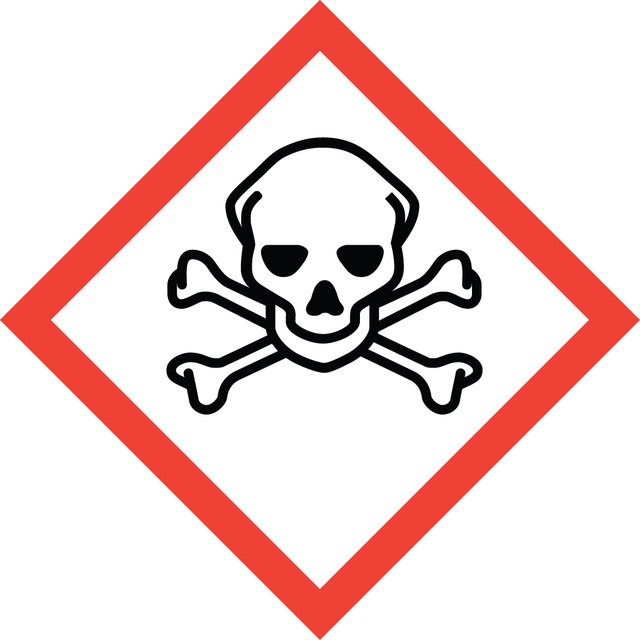

signalword
Danger
Hazard Classifications
Acute Tox. 3 Dermal - Acute Tox. 3 Inhalation - Acute Tox. 3 Oral - Flam. Liq. 2 - STOT SE 1
target_organs
Eyes,Central nervous system
Storage Class
3 - Flammable liquids
wgk
WGK 2
flash_point_f
49.5 °F - closed cup
flash_point_c
9.7 °C - closed cup
Regulatory Information
This item has
Choose from one of the most recent versions:
Already Own This Product?
Find documentation for the products that you have recently purchased in the Document Library.