
BCA1

Bicinchoninic Acid Kit for Protein Determination
for 200-1000 μg/ml protein
Synonym(s):
BCA protein assay
Sign In to View Organizational & Contract Pricing.
Select a Size
Change View
About This Item
NACRES:
NA.32
UNSPSC Code:
12352106
Application
Bicinchoninic Acid Kit has been used for the protein estimation in salivary proteome samples, human embryonic kidney 293 cells and luteal cells.
Biochem/physiol Actions
Proteins reduce alkaline Cu(II) to Cu(I) in a concentration-dependent manner. Bicinchoninic acid is a highly specific chromogenic reagent for Cu(I), forming a purple complex with an absorbance maximum at 562 nm. The absorbance is directly proportional to protein concentration. This is an alternative to the Folin-Ciocalteu reagent for protein determination.
Features and Benefits
- Simple, sensitive colorimetric assay for proteins
- Two stable reagents are used for the working solution
- Faster and easier than the Lowry protein assay
- Compatible with many detergents both ionic and nonionic
- Less variation between different proteins than the Bradford dye-binding assay
- Adaptable for use in microwell plates
Kit Components Only
Product No.
Description
- Bicinchoninic Acid Solution 1 L
- 4%(w/v) CuSO4 · 5H2O Solution 25 mL
- Protein Standard Solution 5 x 1

signalword
Danger
hcodes
Hazard Classifications
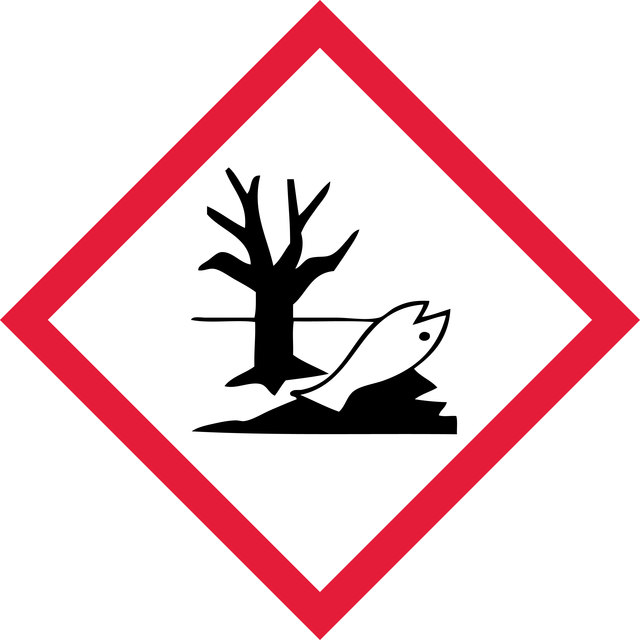
Aquatic Acute 1 - Aquatic Chronic 1 - Eye Dam. 1 - Met. Corr. 1
Storage Class
8A - Combustible corrosive hazardous materials
flash_point_f
Not applicable
flash_point_c
Not applicable
ppe
Eyeshields, Gloves, type ABEK (EN14387) respirator filter
Choose from one of the most recent versions:
Already Own This Product?
Find documentation for the products that you have recently purchased in the Document Library.