
T0699

Trichloroacetic acid solution
6.1 N
Synonym(s):
TCA
Sign In to View Organizational & Contract Pricing.
Select a Size
Change View
About This Item
Linear Formula:
Cl3CCOOH
CAS Number:
Molecular Weight:
163.39
UNSPSC Code:
12352106
NACRES:
NA.26
PubChem Substance ID:
MDL number:
Beilstein/REAXYS Number:
970119
Concentration:
6.1 N, ~100 % (w/v)
Form:
liquid
form
liquid
Quality Segment
concentration
6.1 N, ~100 % (w/v)
SMILES string
OC(=O)C(Cl)(Cl)Cl
InChI
1S/C2HCl3O2/c3-2(4,5)1(6)7/h(H,6,7)
InChI key
YNJBWRMUSHSURL-UHFFFAOYSA-N
General description
Trichloroacetic acid (TCA) is a strong acid. At the pH of drinking water, TCA exists almost in salt form.
Application
Trichloroacetic acid solution has been used:
- in indoleamine 2,3-dioxygenase (IDO) enzyme assay to hydrolyze N-formylkynurenine and produce kynurenine
- in the proliferation of human pulmonary artery smooth muscle cells (HPASMCs)
- to treat ground tissue and precipitate proteins during protein extraction and quantification
Biochem/physiol Actions
Trichloroacetic acid solution is traditionally used to precipitate protein. It can be used to determine protein concentration by quantitative precipitation. Trichloroacetic acid can also be used as a decalcifier and fixative in microscopy.
Trichloroacetic acid (TCA) with no known systemic toxicity, is used as a time-honored agent for superficial peeling. It is a peroxisome proliferator.
Still not finding the right product?
Explore all of our products under Trichloroacetic acid solution
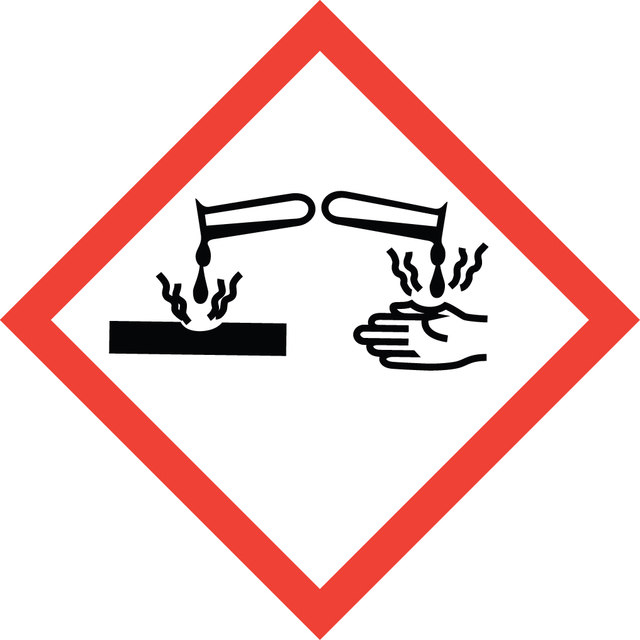

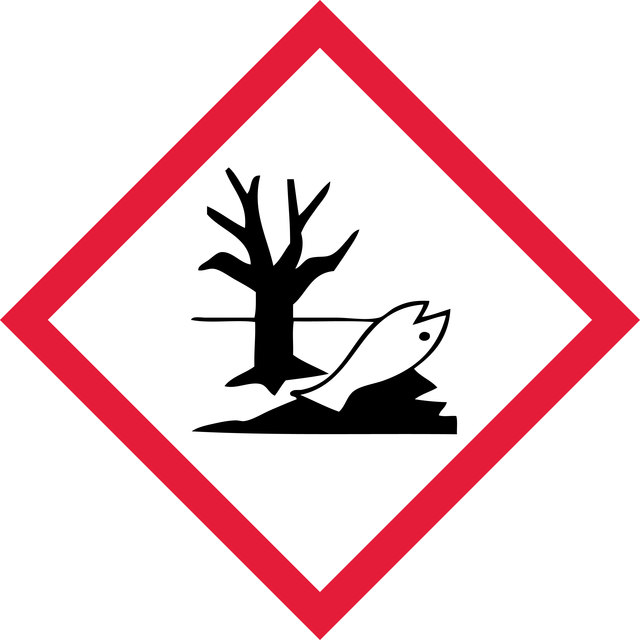
signalword
Danger
hcodes
target_organs
Respiratory system
Storage Class
8A - Combustible corrosive hazardous materials
flash_point_f
Not applicable
flash_point_c
Not applicable
Hazard Classifications
Aquatic Acute 1 - Aquatic Chronic 1 - Eye Dam. 1 - Skin Corr. 1 - STOT SE 3
Choose from one of the most recent versions:
Already Own This Product?
Find documentation for the products that you have recently purchased in the Document Library.