

description
HNMR in D2O at 40°C
Quality Level
form
(Solid chunks, fibers or powder)
impurities
<10 CFU/g Bioburden (Fungal), <10 CFU/g Bioburden (Total Aerobic), <125 EU/g Endotoxin
color
white
storage temp.
2-8°C
General description
Gelatin methacryloyl (GelMA) is a polymerizable hydrogel material derived from natural extracellular matrix (ECM) components. Due to its low cost, abundance, and retention of natural cell binding motifs, gelatin has become a highly sought material for tissue engineering applications. Fibrinogen is a soluble glycoprotein produced by liver. It can be enzymatically polymerized to fibrin monomers by thrombin and then to fibrin based blood clot during blood coagulation. With multi cell binding sites, such as RGD (Arg-Gly-Asp), fibrin plays an important role in cellular-matrix interaction, can promote cell adhesion, proliferation and migration.
Application
The addition of photocrosslinkable methacrylamide functional groups in GelMA allows the synthesis of biocompatible, biodegradable, and non-immunogenic hydrogels that are stable in biologically relevant conditions and promote cell adhesion, spreading, and proliferation. Gelatin methacrylate based bioinks have been used to bioprint osteogenic , chondrogenic , hepatic , adipogenic , vasculogenic , epithelial , endothelial , cardiac valve , skin , tumor and other tissues and constructs. Fibrinogen and fibrin has been widely utilized in tissue engineering for wound healing, neural regeneration, bone generation and vascularization, etc.
TissueFab® bioink kit- (Gel)ma Fibrin (UV/365), low endotoxin is a ready-to-use bioink which is formulated for high cell viability, osteoinduction and printing fidelity and is designed for extrusion-based 3D bioprinting and subsequent crosslinking with exposure to 405nm visible light. TissueFab® bioink kit- (Gel)ma Fibrin (UV/365), low endotoxin can be used with most extrusion-based bioprinters, are biodegradable, and are compatible with human dermal fibroblasts (HDFs). TissueFab® bioink kit- (Gel)ma Fibrin (UV/365), low endotoxin enables the precise fabrication of osteogenic 3D cell models and tissue constructs for research in 3D cell biology, tissue engineering, in vitro tissue models, and regenerative medicine.
The protocol can be found under "More Documents" at the bottom of the page.
TissueFab® bioink kit- (Gel)ma Fibrin (UV/365), low endotoxin contains:
2- 500 mg lyophilized ink components
1- lyophilized thrombin powder
1- 10 ml HEPES buffer.
The protocol can be found under "More Documents" at the bottom of the page.
TissueFab® bioink kit- (Gel)ma Fibrin (UV/365), low endotoxin contains:
2- 500 mg lyophilized ink components
1- lyophilized thrombin powder
1- 10 ml HEPES buffer.
Features and Benefits
In addition to fast gelation, the methacrylamide functional group can also be used to control the hydrogel physical parameters such as pore size, degradation rate, and swell ratio. Temporal and spatial control of the crosslinking reaction can be obtained by adjusting the degree of functionalization and polymerization conditions, allowing for the fabrication of hydrogels with unique patterns, 3D structures, and morphologies.
Low Endotoxin, low bioburden: Endotoxins have been demonstrated negatively impact cellular growth, morphology, differentiation, inflammation and protein expression. Bioburden is defined as the number of contaminated organisms found in a given amount of material. We test each lot for endotoxins as well as total bioburden (aerobic and fungal) to minimize unwanted interactions. For more information: https://www.sigmaaldrich.com/US/en/technical-documents/technical-article/microbiological-testing/pyrogen-testing/what-is-endotoxin
Low Endotoxin, low bioburden: Endotoxins have been demonstrated negatively impact cellular growth, morphology, differentiation, inflammation and protein expression. Bioburden is defined as the number of contaminated organisms found in a given amount of material. We test each lot for endotoxins as well as total bioburden (aerobic and fungal) to minimize unwanted interactions. For more information: https://www.sigmaaldrich.com/US/en/technical-documents/technical-article/microbiological-testing/pyrogen-testing/what-is-endotoxin
Legal Information
TISSUEFAB is a registered trademark of Merck KGaA, Darmstadt, Germany
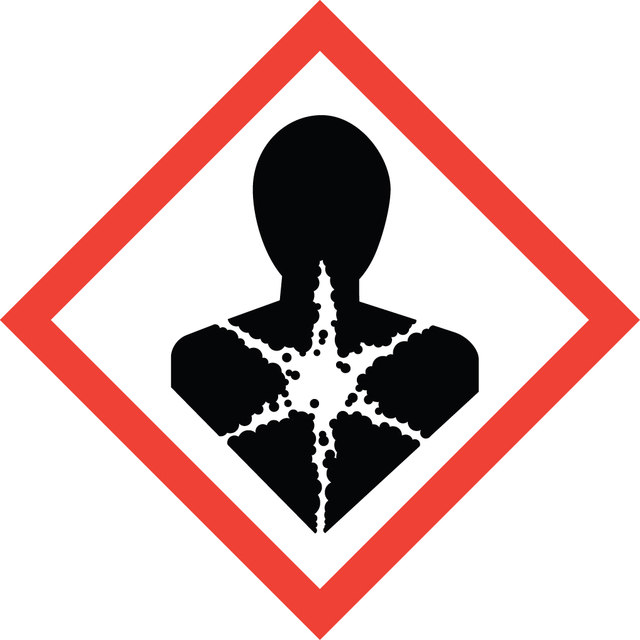

signalword
Danger
hcodes
Hazard Classifications
Eye Irrit. 2 - Resp. Sens. 1 - Skin Irrit. 2 - STOT SE 3
target_organs
Respiratory system
存储类别
10 - Combustible liquids
flash_point_f
Not applicable
flash_point_c
Not applicable
法规信息
新产品
此项目有
相关内容
N Laurens et al.
Journal of thrombosis and haemostasis : JTH, 4(5), 932-939 (2006-05-13)
Fibrinogen and fibrin play an important role in blood clotting, fibrinolysis, cellular and matrix interactions, inflammation, wound healing, angiogenesis, and neoplasia. The contribution of fibrin(ogen) to these processes largely depends not only on the characteristics of the fibrin(ogen) itself, but
Y Shi et al.
Biomedical materials (Bristol, England), 13(3), 035008-035008 (2018-01-09)
Three-dimensional bioprinting is an emerging technology for fabricating living 3D constructs, and it has shown great promise in tissue engineering. Bioinks are scaffold materials mixed with cells used by 3D bioprinting to form a required cell-laden structure. In this paper
B Duan et al.
Acta biomaterialia, 10(5), 1836-1846 (2013-12-18)
Tissue engineering has great potential to provide a functional de novo living valve replacement, capable of integration with host tissue and growth. Among various valve conduit fabrication techniques, three-dimensional (3-D) bioprinting enables deposition of cells and hydrogels into 3-D constructs
全球贸易项目编号
| 货号 | GTIN |
|---|---|
| 927651-1KT | 04065268094457 |