
77664

3-甲基-1-丁醇
analytical standard
别名:
Isoamyl alcohol, 异戊醇
登录 查看组织和合同定价。
选择尺寸
变更视图
关于此项目
线性分子式:
(CH3)2CHCH2CH2OH
化学文摘社编号:
分子量:
88.15
UNSPSC Code:
85151701
NACRES:
NA.24
PubChem Substance ID:
EC Number:
204-633-5
Beilstein/REAXYS Number:
1718835
MDL number:
grade
analytical standard
Quality Level
vapor density
3 (vs air)
vapor pressure
2 mmHg ( 20 °C)
assay
≥98.5% (GC)
autoignition temp.
644 °F
shelf life
limited shelf life, expiry date on the label
expl. lim.
1.2-9 %, 100 °F
technique(s)
HPLC: suitable, gas chromatography (GC): suitable
impurities
≤0.3% water
refractive index
n20/D 1.406 (lit.)
bp
130 °C (lit.)
mp
−117 °C (lit.)
density
0.809 g/mL at 25 °C (lit.)
application(s)
cleaning products
cosmetics
flavors and fragrances
food and beverages
personal care
format
neat
SMILES string
CC(C)CCO
InChI
1S/C5H12O/c1-5(2)3-4-6/h5-6H,3-4H2,1-2H3
InChI key
PHTQWCKDNZKARW-UHFFFAOYSA-N
General description
3-Methyl-1-butanol is a potential fuel additive, which is a natural product of fungus and yeast fermentation.
Application
3-Methyl-1-butanol is used as a precursor for the synthesis of various chemicals, such as isoamyl acetate. It may be used as a reference standard for the analysis of 3-methyl-1-butanol content in honey samples using gas chromatography coupled with mass spectrometry (GC-MS).
Refer to the product′s Certificate of Analysis for more information on a suitable instrument technique. Contact Technical Service for further support.
Still not finding the right product?
Explore all of our products under 3-甲基-1-丁醇
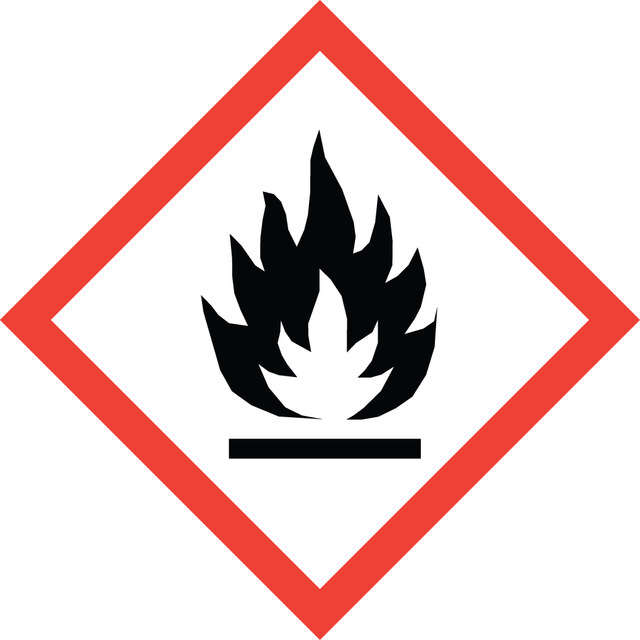


signalword
Danger
hcodes
Hazard Classifications
Acute Tox. 4 Inhalation - Eye Dam. 1 - Flam. Liq. 3 - Skin Irrit. 2 - STOT SE 3
target_organs
Respiratory system
存储类别
3 - Flammable liquids
wgk
WGK 1
flash_point_f
110.3 °F - closed cup
flash_point_c
43.5 °C - closed cup
法规信息
危险化学品
此项目有
Contribution of dynamic headspace GC-MS analysis of aroma compounds to authenticity testing of honey.
Radovic SB, et al.
Food Chemistry, 72(4), 511-520 (2001)
Michael R Connor et al.
Applied and environmental microbiology, 74(18), 5769-5775 (2008-08-05)
3-Methyl-1-butanol is a potential fuel additive or substitute. Previously this compound was identified in small quantities in yeast fermentation as one of the fusel alcohols. In this work, we engineered an Escherichia coli strain to produce 3-methyl-1-butanol from glucose via
Silvio Zaina et al.
Circulation. Cardiovascular genetics, 7(5), 692-700 (2014-08-06)
Epigenetic alterations may contribute to the development of atherosclerosis. In particular, DNA methylation, a reversible and highly regulated DNA modification, could influence disease onset and progression because it functions as an effector for environmental influences, including diet and lifestyle, both
全球贸易项目编号
| 货号 | GTIN |
|---|---|
| 77664-1ML | 04061838820310 |
| 77664-5ML | 04061832940434 |