
904082

丙酮

BioRenewable, reagent grade, ≥99.0%
别名:
Dimethyl ketone, Propanone
选择尺寸
关于此项目
grade
reagent grade
agency
suitable for EPA 1613
vapor density
2 (vs air)
vapor pressure
184 mmHg ( 20 °C)
assay
≥99.0%
form
liquid
expl. lim.
13.2 %
greener alternative product characteristics
Safer Solvents and Auxiliaries
Use of Renewable Feedstocks
Learn more about the Principles of Green Chemistry.
sustainability
Greener Alternative Product
renewable carbon content
100%
dilution
(for analytical testing)
refractive index
n20/D 1.359 (lit.)
bp
56 °C/760 mmHg (lit.)
mp
−94 °C (lit.)
density
0.791 g/mL at 25 °C (lit.)
format
neat
greener alternative category
, Aligned
SMILES string
CC(C)=O
InChI
1S/C3H6O/c1-3(2)4/h1-2H3
InChI key
CSCPPACGZOOCGX-UHFFFAOYSA-N
General description
This ACS grade Acetone is a drop-in replacement for any Acetone application. Made from 100% renewable carbon (verified through C14 ASTM D6866-16 testing) and produced in an environmentally friendly way that reduces the carbon footprint of production and reliance on fossil-fuels.
Because it is not from petroleum, it is free from many non-renewable contaminants, such as benzene, phthalates and other phenols, leading to higher quality product.
Application
- Used as a solvent and/or building block in organic syntheses, such as SN2 reactions and Jones oxidation
- Mobile phase in Thin layer chromatography (TLC) and other analytical applications
This is a plant waste-derived acetone, that acts as a drop-in replacement for any acetone application with no change in procedure or equipment necessary.
Features and Benefits
- Made from Renewable Resource
- Replacement for Petroleum-based Acetone
- Renewable Carbon Content - ≥99.9%
- ASTM D6866 - Standard Test Methods for Determining the Biobased Content
Still not finding the right product?
Explore all of our products under 丙酮
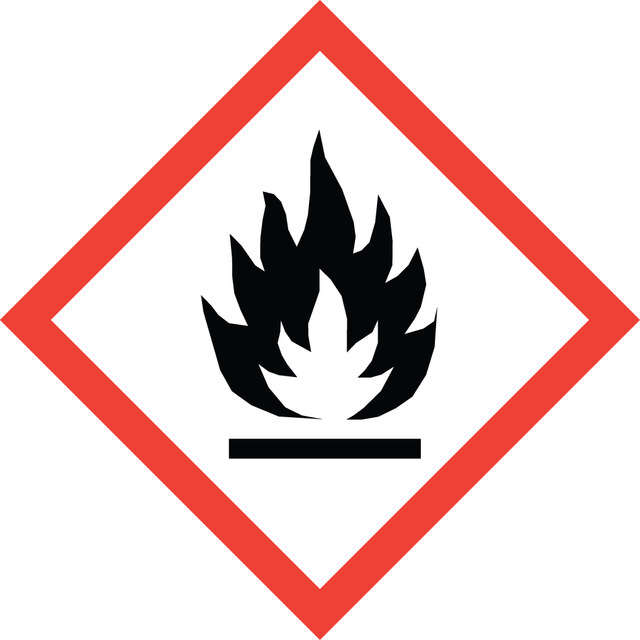
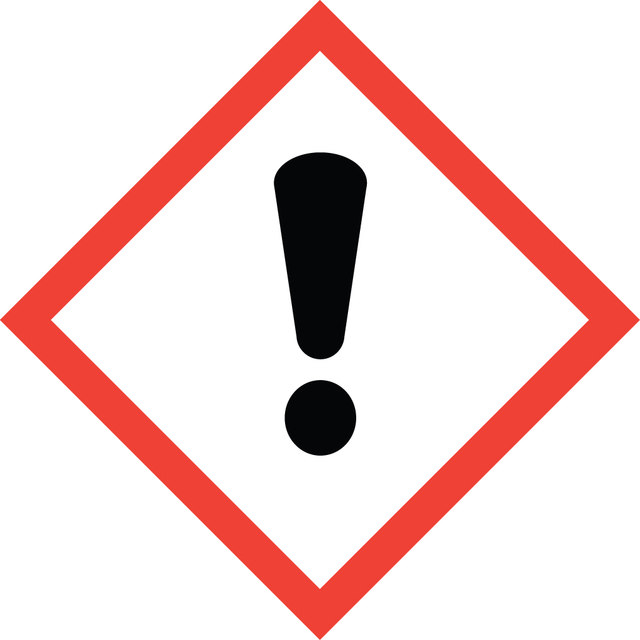
signalword
Danger
hcodes
Hazard Classifications
Eye Irrit. 2 - Flam. Liq. 2 - STOT SE 3
target_organs
Central nervous system
supp_hazards
存储类别
3 - Flammable liquids
wgk
WGK 1
flash_point_f
1.4 °F - closed cup
flash_point_c
-17.0 °C - closed cup
法规信息
此项目有
相关内容
This page is intended to make it easier to find the consumables you need based on the analytical method you’re using. Methods included on this page come from the EPA, Standard Methods and ASTM.