
206032

Platinum(IV) oxide

solid
Synonym(s):
Adam’s catalyst, NSC 402624, Platinic oxide, Platinum dioxide
Select a Size
About This Item
Product Name
Platinum(IV) oxide,
form
solid
Quality Level
composition
Pt, 81-83%
reaction suitability
core: platinum, reagent type: catalyst
greener alternative product characteristics
Designing Safer Chemicals
Catalysis
Learn more about the Principles of Green Chemistry.
sustainability
Greener Alternative Product
surface area
≥60 m2/g
mp
450 °C (lit.)
greener alternative category
, Aligned
SMILES string
O=[Pt]=O
InChI
1S/2O.Pt
InChI key
YKIOKAURTKXMSB-UHFFFAOYSA-N
General description
Application
For small scale and high throughput uses, product is also available as ChemBeads (928291)
- Hydrohydrazination reactions
- Oxidation of sugars
- Low-temperature oxidation of carbon monoxide
- Oxygen reduction reaction
- Hydrogenation reactions
- Hydrogenolysis of the cyclopropyl group into an isopropyl group
- Hydroxycyclopropanation reactions
Still not finding the right product?
Explore all of our products under Platinum(IV) oxide
signalword
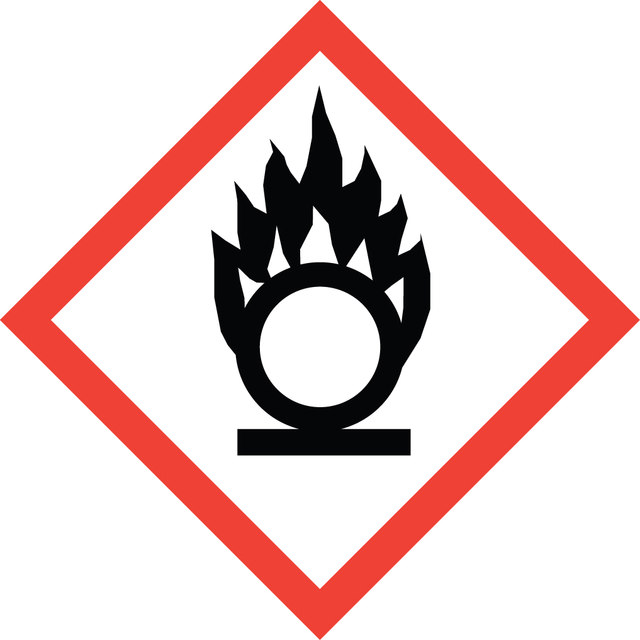
Danger
hcodes
Hazard Classifications
Ox. Sol. 1
Storage Class
5.1A - Strongly oxidizing hazardous materials
wgk
WGK 2
flash_point_f
Not applicable
flash_point_c
Not applicable
ppe
Eyeshields, Gloves, type P3 (EN 143) respirator cartridges
Choose from one of the most recent versions:
Already Own This Product?
Find documentation for the products that you have recently purchased in the Document Library.
Articles
Oxidation and reduction reactions are some of the most common transformations encountered in organic synthesis
Global Trade Item Number
| SKU | GTIN |
|---|---|
| 206032-50G | 04061833410233 |
| 206032-1G | 04061838768391 |
| 206032-250MG | 04061833481981 |
| 206032-5G | 04061838768407 |