
107700

4-(Dimethylamino)pyridine
ReagentPlus®, ≥99%
Synonym(s):
N,N-Dimethylpyridin-4-amine, DMAP
Select a Size
About This Item
grade
reagent grade
Quality Level
product line
ReagentPlus®
assay
≥99%
form
chips, crystalline powder, flakes
concentration
≤100%
pH
(10,23 at -0,1 g/l at 22 °C)
bp
162 °C
mp
108-110 °C (lit.)
solubility
H2O: 50 mg/mL
functional group
amine
storage temp.
room temp
SMILES string
CN(C)c1ccncc1
InChI
1S/C7H10N2/c1-9(2)7-3-5-8-6-4-7/h3-6H,1-2H3
InChI key
VHYFNPMBLIVWCW-UHFFFAOYSA-N
General description
Application
- To synthesize 3,5-disubstituted 2,6-dicyanoaniline by reacting malononitrile, aldehydes, and β-nitroolefins.
- For the acylation of alcohols with acid anhydrides under auxiliary base- and solvent-free conditions to synthesize corresponding esters.
- In Baylis-Hillman reaction to form carbon-carbon bond by the coupling of an activated alkene with an aldehyde or ketone.
Legal Information
Still not finding the right product?
Explore all of our products under 4-(Dimethylamino)pyridine
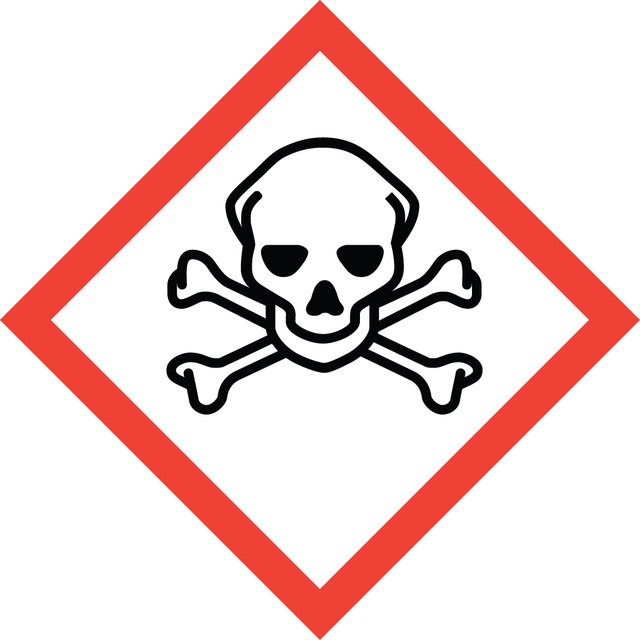
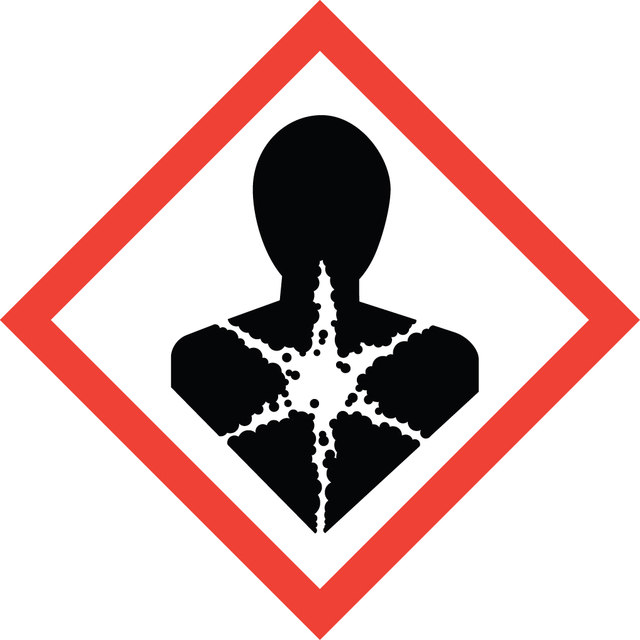
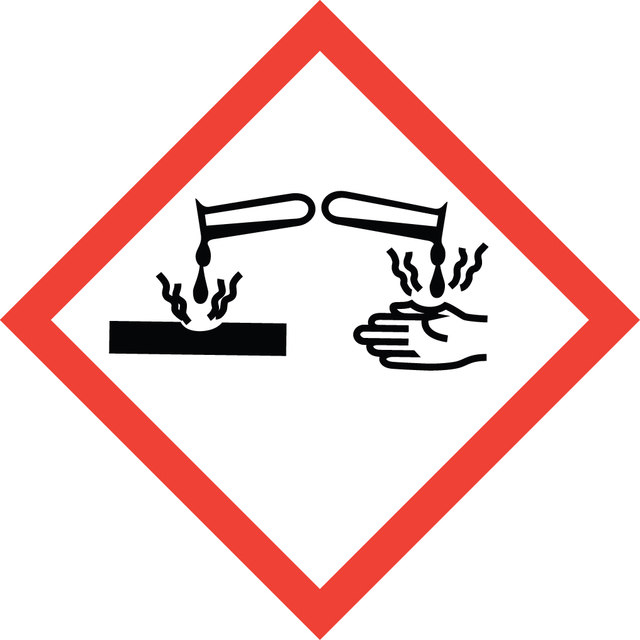
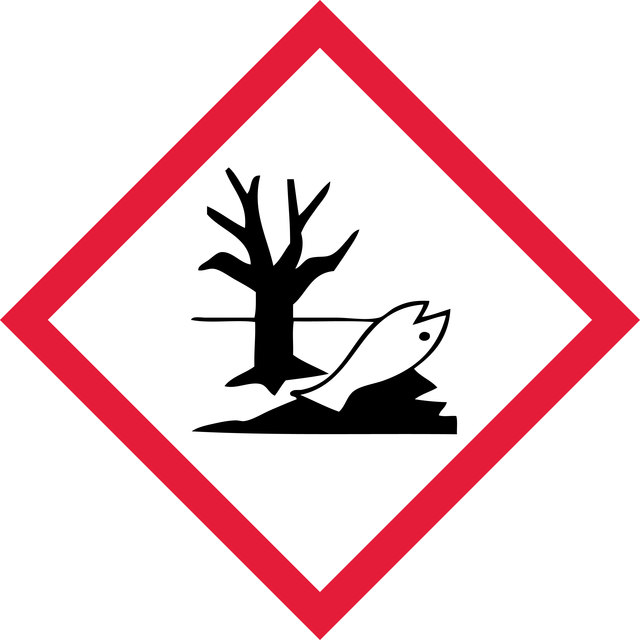
signalword
Danger
Hazard Classifications
Acute Tox. 2 Dermal - Acute Tox. 3 Inhalation - Acute Tox. 3 Oral - Aquatic Chronic 2 - Eye Dam. 1 - Skin Irrit. 2 - STOT SE 1
target_organs
Nervous system
Storage Class
6.1A - Combustible acute toxic Cat. 1 and 2 / very toxic hazardous materials
wgk
WGK 3
flash_point_f
255.2 °F
flash_point_c
124 °C
ppe
Eyeshields, Faceshields, Gloves, type P3 (EN 143) respirator cartridges
Choose from one of the most recent versions:
Already Own This Product?
Find documentation for the products that you have recently purchased in the Document Library.
Global Trade Item Number
| SKU | GTIN |
|---|---|
| CDS001275-1G | 04061825962719 |
| 107700-5KG | 04061833458617 |
| 107700-25G | 04061835554065 |
| 107700-500G | 04061838675477 |
| 107700-5G | 04061835554072 |
| 107700-100G | 04061835554058 |