
110213

Acrylonitrile
≥99%, contains 35-45 ppm monomethyl ether hydroquinone as inhibitor
Synonym(s):
Vinyl cyanide
Sign In to View Organizational & Contract Pricing.
Select a Size
Change View
About This Item
Linear Formula:
CH2=CHCN
CAS Number:
Molecular Weight:
53.06
UNSPSC Code:
12162002
NACRES:
NA.23
PubChem Substance ID:
EC Number:
203-466-5
Beilstein/REAXYS Number:
605310
MDL number:
vapor density
1.83 (vs air)
Quality Level
vapor pressure
86 mmHg ( 20 °C)
assay
≥99%
autoignition temp.
897 °F
contains
35-45 ppm monomethyl ether hydroquinone as inhibitor
expl. lim.
17 %
refractive index
n20/D 1.391 (lit.)
bp
77 °C (lit.)
mp
−83 °C (lit.)
SMILES string
C=CC#N
InChI
1S/C3H3N/c1-2-3-4/h2H,1H2
InChI key
NLHHRLWOUZZQLW-UHFFFAOYSA-N
General description
Acrylonitrile is commonly used as a monomer which belongs to the class of unsaturated nitriles. It serves as a key monomer in the production of various polymers and copolymers with desirable properties. Acrylonitrile is commonly employed in the production of acrylic fibers, which are known for their softness, strength, and excellent thermal and chemical resistance. One of the primary applications of acrylonitrile is in the manufacturing of acrylonitrile-butadiene-styrene (ABS) copolymers. ABS is a versatile and highly durable plastic widely used in automotive components, appliances, electronic enclosures, and consumer goods. The addition of acrylonitrile to the copolymer enhances its heat resistance and impact strength, making ABS a highly sought-after material.
Application
Acrylonitrile can be used as a monomer:
- In the preparation of the 3D-printed polymer material, Acrylonitrile Butadiene Styrene (ABS) which is a commonly used engineering thermoplastic known for its high strength, durability, and heat resistance. It serves as a suitable substrate for a wide range of applications, including in the medical field, compatible manufacturing processes, injection molding, blow molding, and extrusion.
- In the copolymerization with lignosulfonate to develop a carbon fiber precursor. This copolymer can serve as a precursor material that undergoes further thermal treatment to produce carbon fibers.
- To synthesize acrylamide grafted acrylonitrile copolymer membranes, which serve as a support matrix for the immobilization of cellulase enzymes.
Acrylonitrile is used in the manufacture of acrylic fibers, resins (acrylonitrile butadiene-styrene, styrene-acrylonitrile and others) and nitrile rubbers (butadiene-acrylonitrile).
Biochem/physiol Actions
An industrial carcinogen that is a multisite carcinogen in rats and possibly carcinogenic to humans.
Still not finding the right product?
Explore all of our products under Acrylonitrile
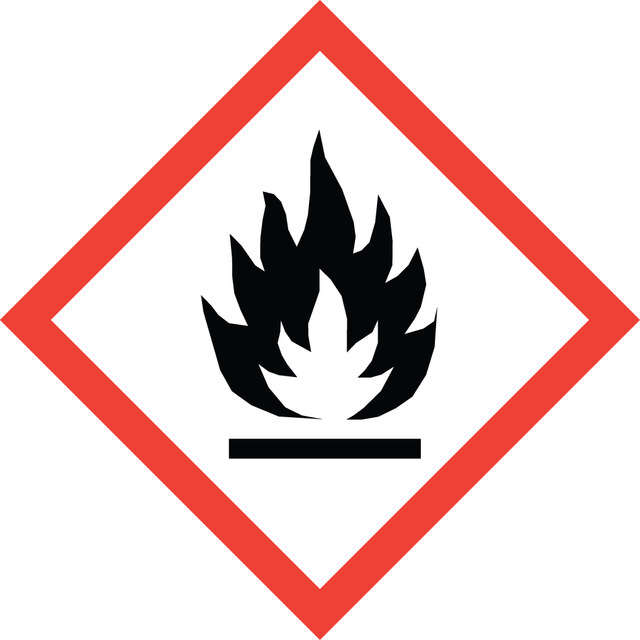
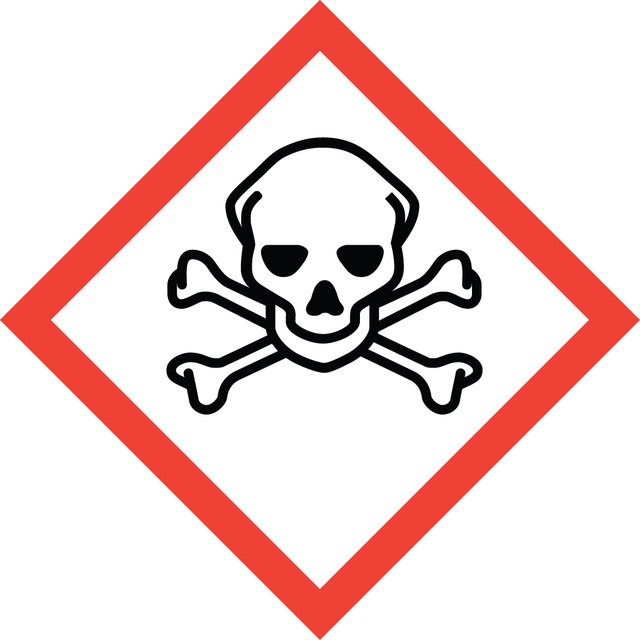
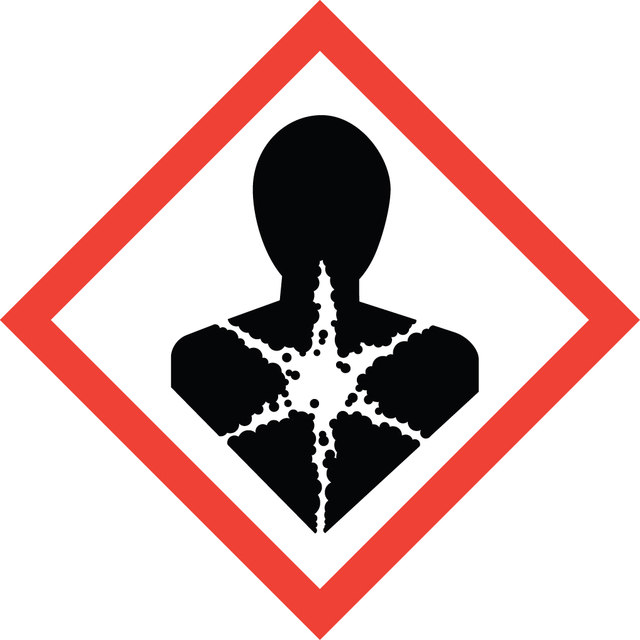
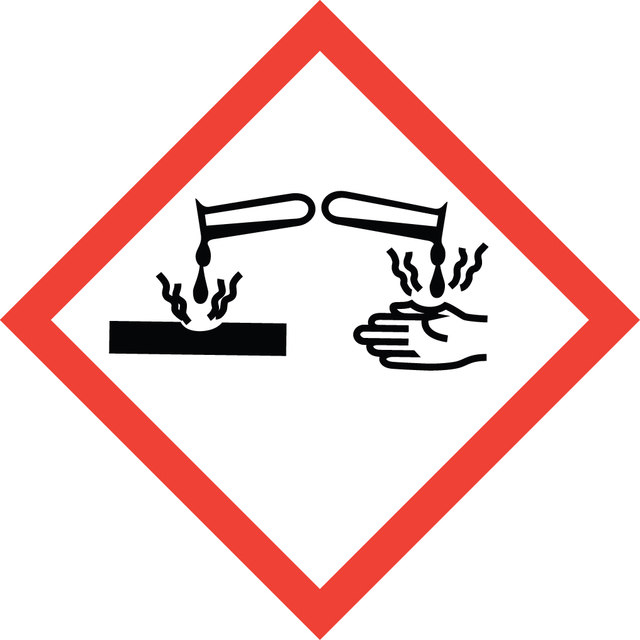
signalword
Danger
Hazard Classifications
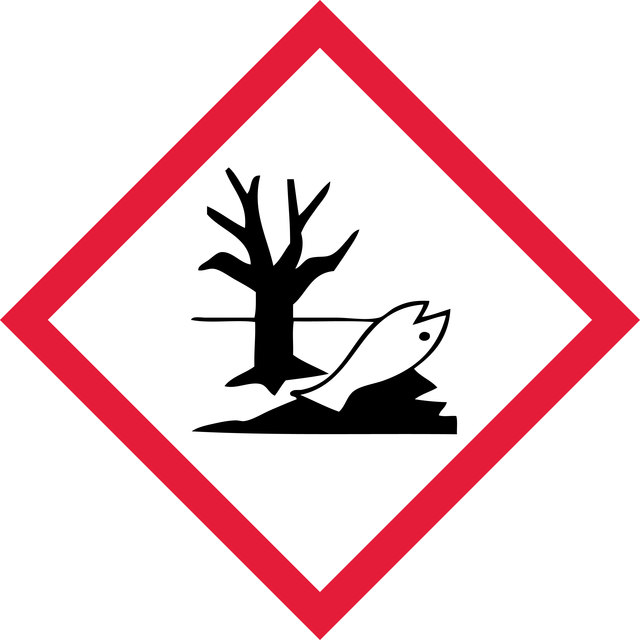
Acute Tox. 3 Dermal - Acute Tox. 3 Inhalation - Acute Tox. 3 Oral - Aquatic Chronic 2 - Carc. 1B - Eye Dam. 1 - Flam. Liq. 2 - Skin Irrit. 2 - Skin Sens. 1B - STOT SE 3
target_organs
Respiratory system
Storage Class
3 - Flammable liquids
wgk
WGK 3
flash_point_f
23.0 °F - closed cup
flash_point_c
-5 °C - closed cup
ppe
Faceshields, Gloves, Goggles, type ABEK (EN14387) respirator filter
Regulatory Information
危险化学品
This item has
Choose from one of the most recent versions:
Already Own This Product?
Find documentation for the products that you have recently purchased in the Document Library.
R Thier et al.
Archives of toxicology, 74(4-5), 184-189 (2000-08-26)
The high acute toxicity of acrylonitrile may be a result of its intrinsic biological reactivity or of its metabolite cyanide. Intravenous N-acetylcysteine has been recommended for treatment of accidental intoxications in acrylonitrile workers, but such recommendations vary internationally. Acrylonitrile is
R A Woutersen
Scandinavian journal of work, environment & health, 24 Suppl 2, 5-9 (1998-08-26)
Acrylonitrile is a monomer used extensively as a raw material in the manufacturing of acrylic fibers, plastics, synthetic rubbers, and acrylamide. It has been classified as a probable human carcinogen according to the results of numerous chronic rat bioassays. The
N A Esmen
Scandinavian journal of work, environment & health, 24 Suppl 2, 63-70 (1998-08-26)
The reconstruction of worker exposures has been the mainstay of modem industrial epidemiologic studies. In most cases, the researchers are faced with the difficult dilemma created by the scarcity of the exposure measurement data vis-à-vis the demands for refined quantification.
Global Trade Item Number
| SKU | GTIN |
|---|---|
| 110213-18L | 04061837398988 |
| 110213-2L | 04061838695055 |
| 110213-500ML | 04061838695079 |
| 110213-100ML | 04061838695031 |
| 110213-1L | 04061838695048 |
| 110213-4L | 04061838695062 |
| 110213-5ML | 04061838695086 |