
204013

Platinum
powder, 99.995% trace metals basis
Sign In to View Organizational & Contract Pricing.
Select a Size
Change View
About This Item
Empirical Formula (Hill Notation):
Pt
CAS Number:
Molecular Weight:
195.08
NACRES:
NA.23
PubChem Substance ID:
UNSPSC Code:
12141734
EC Number:
231-116-1
MDL number:
Quality Level
assay
99.995% trace metals basis
form
powder
reaction suitability
core: platinum
resistivity
10.6 μΩ-cm, 20°C
bp
3827 °C (lit.)
mp
1772 °C (lit.)
density
21.45 g/cm3 (lit.)
SMILES string
[Pt]
InChI
1S/Pt
InChI key
BASFCYQUMIYNBI-UHFFFAOYSA-N
General description
Platinum is a noble metal known for its exceptional chemical stability, high melting point, and excellent catalytic properties. Its unique properties make it ideal for various applications, including catalytic converters in the automotive industry, where it helps reduce harmful emissions, and in the electronics sector, where it is used in high-performance connectors and electrodes. Additionally, platinum′s biocompatibility makes it suitable for medical devices, such as pacemakers and dental materials. It can also be used in hydrogen fuel cells, showcasing its potential in the renewable energy sector.
Application
- Towards a comprehensive understanding of platinum dissolution in acidic media: This study explores the dissolution behavior of platinum in acidic conditions, offering insights important for material scientists working on catalyst design and durability (Topalov et al., 2014).
- Platinum-based drugs for cancer therapy and anti-tumor strategies: This article discusses the development and mechanisms of platinum-based chemotherapy agents, critical for drug discovery chemists focusing on cancer treatment (Zhang et al., 2022).
- Mastering the surface strain of platinum catalysts for efficient electrocatalysis: This research delves into the manipulation of surface strain in platinum catalysts to enhance their efficiency, pertinent for material science applications in energy conversion (He et al., 2021).
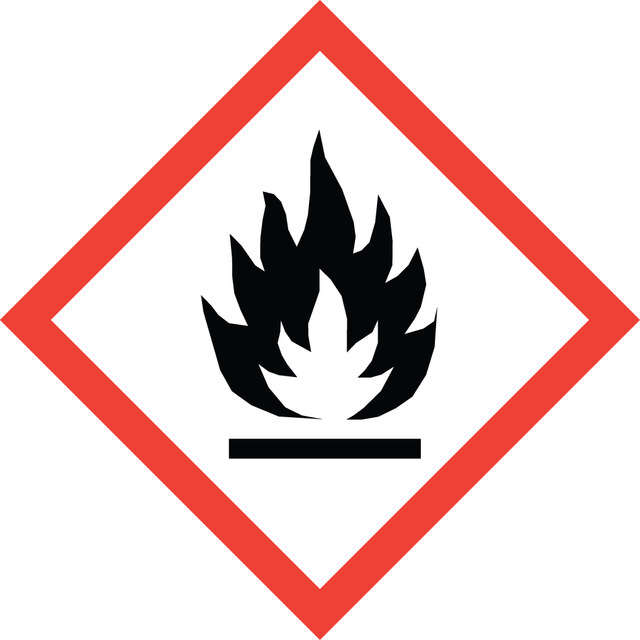
signalword
Danger
hcodes
Hazard Classifications
Flam. Sol. 1
Storage Class
4.1B - Flammable solid hazardous materials
wgk
nwg
flash_point_f
Not applicable
flash_point_c
Not applicable
ppe
Eyeshields, Gloves, type P3 (EN 143) respirator cartridges
Choose from one of the most recent versions:
Already Own This Product?
Find documentation for the products that you have recently purchased in the Document Library.
Articles
Permanent magnets are an essential technology for energy conversion. Motors and generators are used to convert energy between electrical and mechanical forms.
Ultrasonic spray pyrolysis produces scalable nanomaterials like metal oxides and quantum dots for diverse applications.
Shai Rozen et al.
Plastic and reconstructive surgery, 131(6), 1253-1265 (2013-05-30)
Left untreated, paralytic lagophthalmos may result in corneal dryness, ulcerations, and subsequent blindness. The most common nondynamic surgical solution is upper eyelid weight placement in a superficial, pretarsal pocket, carrying the risk of visibility, extrusion, and entropion. The authors present
Loris De Cecco et al.
PloS one, 8(3), e58849-e58849 (2013-03-14)
We recently reported that peritumoral CpG-ODN treatment, activating TLR-9 expressing cells in tumor microenvironment, induces modulation of genes involved in DNA repair and sensitizes cancer cells to DNA-damaging cisplatin treatment. Here, we investigated whether this treatment induces modulation of miRNAs
Y Yamagishi et al.
Die Pharmazie, 68(3), 178-182 (2013-04-06)
Nano-sized materials are widely used in consumer products, medical devices and engineered pharmaceuticals. Advances in nanotechnology have resulted in materials smaller than the nanoscale, but the biologic safety of the sub-nanosized materials has not been fully assessed. In this study
Global Trade Item Number
| SKU | GTIN |
|---|---|
| 204013-1G | 04061838766649 |