
221775

Copper(II) bromide
99%, solid
Synonym(s):
brominating agent, Cupric bromide
Sign In to View Organizational & Contract Pricing.
Select a Size
Change View
About This Item
Linear Formula:
CuBr2
CAS Number:
Molecular Weight:
223.35
UNSPSC Code:
12161600
eCl@ss:
38150112
PubChem Substance ID:
NACRES:
NA.22
EC Number:
232-167-2
MDL number:
Product Name
Copper(II) bromide, 99%
Quality Segment
assay
99%
form
solid
reaction suitability
core: copper, reagent type: catalyst
mp
498 °C (lit.)
density
4.77 g/mL at 25 °C (lit.)
SMILES string
Br[Cu]Br
InChI
1S/2BrH.Cu/h2*1H;/q;;+2/p-2
InChI key
QTMDXZNDVAMKGV-UHFFFAOYSA-L
General description
Cuprous bromide may be prepared by the reduction of cupric bromide or CuSO4-NaBr. In the molten state, it is grayish brown /greenish brown in color.
Application
Some reported applications of copper bromide are:
Reductive homocoupling ofα -bromo- α- chlorocarboxylates to dimethyl α , α′ dichlorosuccinate derivatives in presence of CuBr/LiOCH3 in methanol has been reported.
- catalyst in cross coupling reactions.
- co-catalyst in Sonogashira coupling.
- Lewis acid in enantioselective addition of alkynes.
- reducing agent, when complexed by three molecules of pyridine initiators for the controlled polymerization of styrene, methyl acrylate and methyl methacrylate.
Reductive homocoupling of
Still not finding the right product?
Explore all of our products under Copper(II) bromide
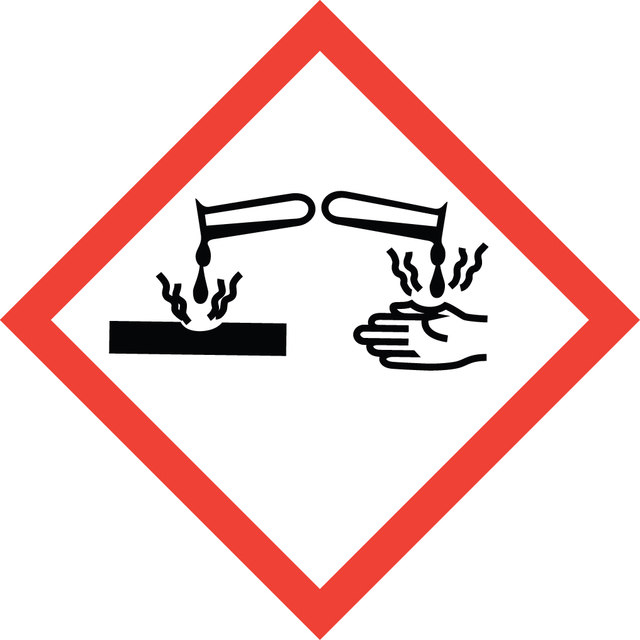

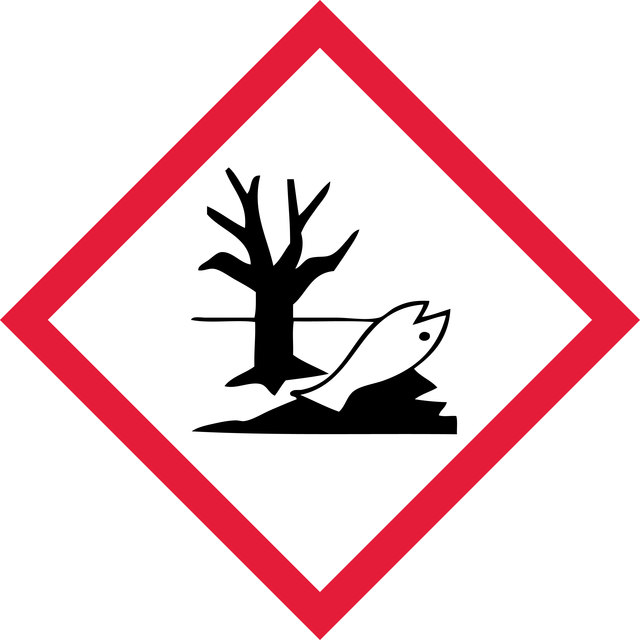
signalword
Danger
hcodes
Hazard Classifications
Acute Tox. 4 Oral - Aquatic Acute 1 - Aquatic Chronic 1 - Eye Dam. 1 - Skin Corr. 1B
Storage Class
8A - Combustible corrosive hazardous materials
wgk
WGK 3
ppe
Eyeshields, Faceshields, Gloves, type P3 (EN 143) respirator cartridges
Choose from one of the most recent versions:
Already Own This Product?
Find documentation for the products that you have recently purchased in the Document Library.