
229628

Copper(I) chloride
≥99.995% trace metals basis
Synonym(s):
Copper monochloride, Cuprous chloride
Select a Size
About This Item
vapor pressure
1.3 mmHg ( 546 °C)
Quality Level
assay
≥99.995% trace metals basis
form
powder
reaction suitability
core: copper, reagent type: catalyst
technique(s)
mass spectrometry (MS): suitable
impurities
≤50.0 ppm Trace Rare Earth Analysis
bp
1490 °C (lit.)
mp
430 °C (lit.)
solubility
slightly soluble 0.47 g/L at 20 °C
SMILES string
Cl[Cu]
InChI
1S/ClH.Cu/h1H;/q;+1/p-1
InChI key
OXBLHERUFWYNTN-UHFFFAOYSA-M
General description
Application
Shows unique character as an initiator of radical reactions such as the hydrostannation of α,β-unsaturated ketones.
Features and Benefits
- Exceptional Purity of ≥99.995%, ensures minimal contamination, providing reliable performance in catalytic reactions.
- Low Trace Metal Impurities reduces the risk of side reactions and enhances selectivity in catalysis, leading to higher yields of desired products.
- Maintains stability under reaction conditions, ensuring consistent catalytic performance and longevity.
- The 64.1% copper content in Copper(I) chloride (≥99.995% trace metals) enhances catalytic efficiency, increases reactivity, ensures stability in reactions, and allows for versatile applications while being cost-effective.
Still not finding the right product?
Explore all of our products under Copper(I) chloride
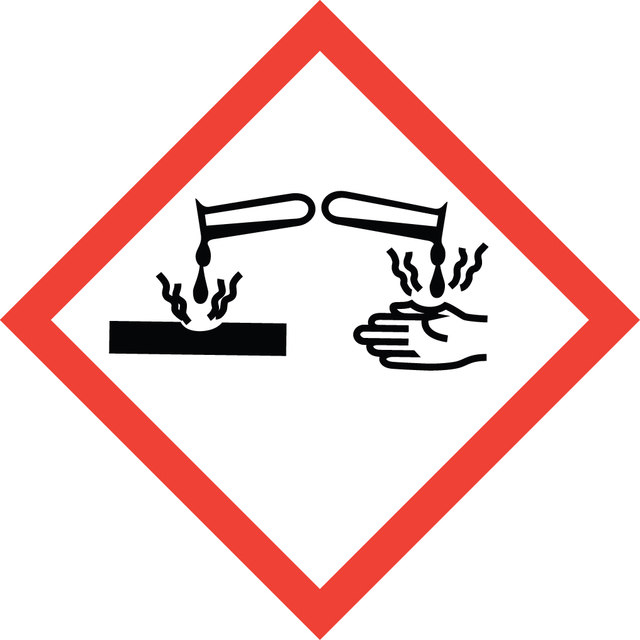

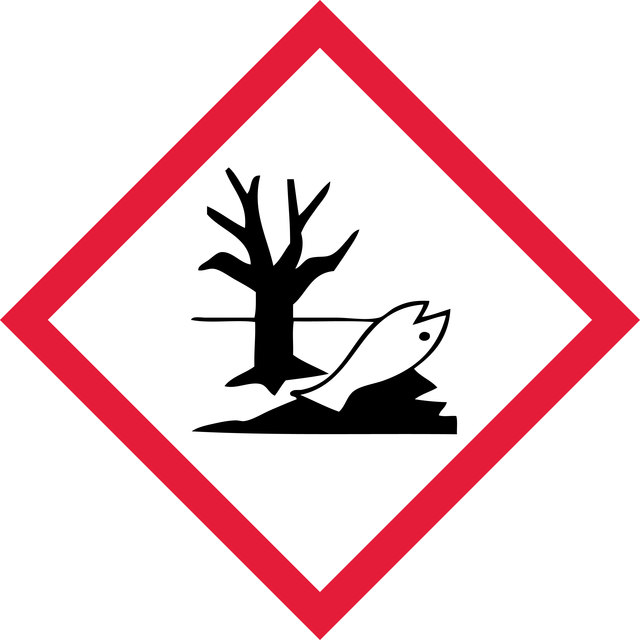
signalword
Danger
Hazard Classifications
Acute Tox. 4 Dermal - Acute Tox. 4 Oral - Aquatic Acute 1 - Aquatic Chronic 1 - Eye Dam. 1 - Skin Irrit. 2
Storage Class
8A - Combustible corrosive hazardous materials
wgk
WGK 3
flash_point_f
Not applicable
flash_point_c
Not applicable
ppe
dust mask type N95 (US), Eyeshields, Faceshields, Gloves
Choose from one of the most recent versions:
Already Own This Product?
Find documentation for the products that you have recently purchased in the Document Library.
Protocols
We present an article about RAFT, or Reversible Addition/Fragmentation Chain Transfer, which is a form of living radical polymerization.
We presents an article featuring procedures that describe polymerization of methyl methacrylate and vinyl acetate homopolymers and a block copolymer as performed by researchers at CSIRO.
Polymerization via ATRP procedures demonstrated by Prof. Dave Haddleton's research group at the University of Warwick.
Articles
Oxidation and reduction reactions are some of the most common transformations encountered in organic synthesis
The prevailing strategies for heat and electric-power production that rely on fossil and fission fuels are having a negative impact on the environment and on our living conditions.
Lanthanide ions in spectral conversion enhance solar cell efficiency via photon conversion.
Global Trade Item Number
| SKU | GTIN |
|---|---|
| 229628-100G | 04061833595718 |
| 229628-10G | 04061838781963 |