
235865

Butyl methacrylate
99%, contains monomethyl ether hydroquinone as inhibitor
Sign In to View Organizational & Contract Pricing.
Select a Size
Change View
About This Item
Linear Formula:
CH2=C(CH3)COO(CH2)3CH3
CAS Number:
Molecular Weight:
142.20
UNSPSC Code:
12162002
NACRES:
NA.23
PubChem Substance ID:
EC Number:
202-615-1
Beilstein/REAXYS Number:
773960
MDL number:
vapor density
4.91 (15 °C, vs air)
Quality Segment
vapor pressure
2 mmHg ( 20 °C)
assay
99%
form
liquid
autoignition temp.
562 °F
contains
monomethyl ether hydroquinone as inhibitor
expl. lim.
2-8 %
refractive index
n
bp
162-165 °C (lit.)
density
0.894 g/mL at 25 °C (lit.)
storage temp.
2-8°C
SMILES string
CCCCOC(=O)C(C)=C
InChI
1S/C8H14O2/c1-4-5-6-10-8(9)7(2)3/h2,4-6H2,1,3H3
InChI key
SOGAXMICEFXMKE-UHFFFAOYSA-N
General description
Butyl methacrylate is an organic compound that belongs to the class of methacrylate esters and is commonly used in the production of various polymer materials. It can be copolymerized with other monomers to synthesize copolymers with tailored properties. The resulting copolymers find use in numerous fields, including automotive coatings, textiles, adhesives, contact lenses, and dental resins.
Application
Butyl methacrylate (BMA) can be used as:
- A Monomer to synthesize waterborne butyl methacrylate (co)polymers latexes via emulsion polymerization for the development of coating materials for slow release-fertilizers.
- A matrix polymer in the preparation of LDH/poly (butyl methacrylate) nanocomposites, which can improve the mechanical properties and thermal stability of the resulting nanocomposites.
- A monomer to synthesize styrene and butyl methacrylate copolymers for use in leather finishing. Increasing the BMA content of the copolymer increases the water resistance and decreases the water vapor permeability of the leather.
- A monomer for the preparation of monolithic columns on microfluidic chips. These columns can be used for a wide range of applications, such as the separation and analysis of complex mixtures of compounds, the preconcentration of samples, and the development of new microfluidic analytical devices.
Still not finding the right product?
Explore all of our products under Butyl methacrylate
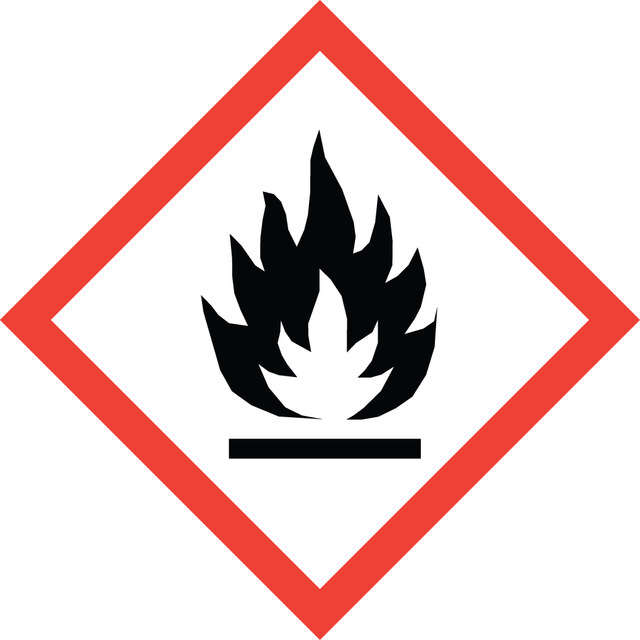
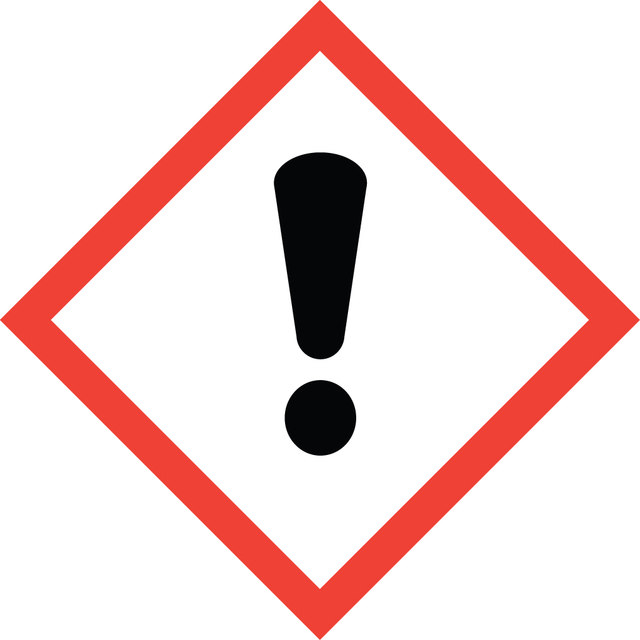
signalword
Warning
hcodes
Hazard Classifications
Eye Irrit. 2 - Flam. Liq. 3 - Skin Irrit. 2 - Skin Sens. 1 - STOT SE 3
target_organs
Respiratory system
Storage Class
3 - Flammable liquids
wgk
WGK 1
flash_point_f
119.3 °F - closed cup
flash_point_c
48.5 °C - closed cup
ppe
Eyeshields, Faceshields, Gloves, type ABEK (EN14387) respirator filter
Choose from one of the most recent versions:
Already Own This Product?
Find documentation for the products that you have recently purchased in the Document Library.