
262587

Chloroplatinic acid solution
8 wt. % in H2O, liquid
Synonym(s):
Hexachloroplatinic acid solution, Hydrogen hexachloroplatinate(IV) solution, Platinic chloride solution, Platinum(IV) chloride solution
Select a Size
About This Item
Product Name
Chloroplatinic acid solution, 8 wt. % in H2O
form
liquid
Quality Level
reaction suitability
core: platinum, reagent type: catalyst
concentration
8 wt. % in H2O
density
1.05 g/mL at 25 °C
SMILES string
Cl.Cl.Cl[Pt](Cl)(Cl)Cl
InChI
1S/6ClH.Pt/h6*1H;/q;;;;;;+4/p-4
InChI key
GBFHNZZOZWQQPA-UHFFFAOYSA-J
General description
Chloroplatinic acid solution catalyses the hydrosilylation reaction of 1-Hexyne to form l,6-Bis(trichlorosilyl)hexane.
Application
- Platinum precursor in the synthesis of platinum nanoparticles using hydrazine as a reducing agent.
- An electrolyte in the preparation of various carbon-supported platinum nanomaterials with H2SO4 by electrodeposition method in the presence or absence of organic additives.
- An anionic precursor in the preparation of Pt/SBA_BEA catalyst for the hydro isomerization of n-hexadecane.
- A Pt precursor in the preparation of PVP-protected Pt-nanoparticles by seed-mediated growth method.
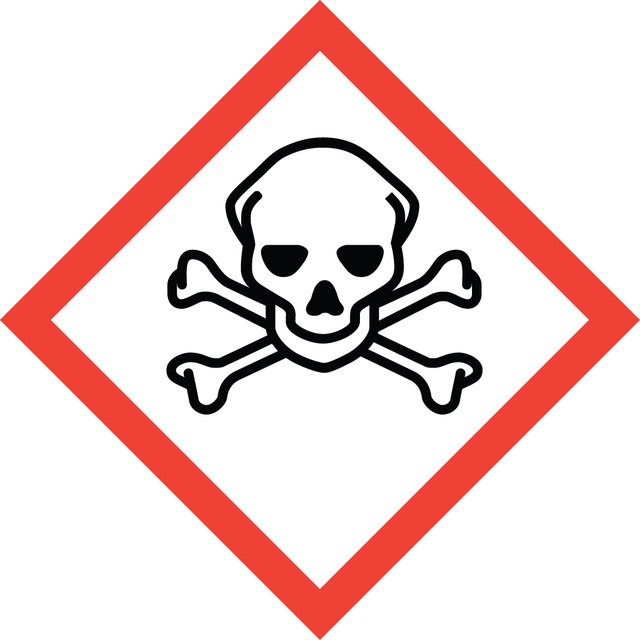
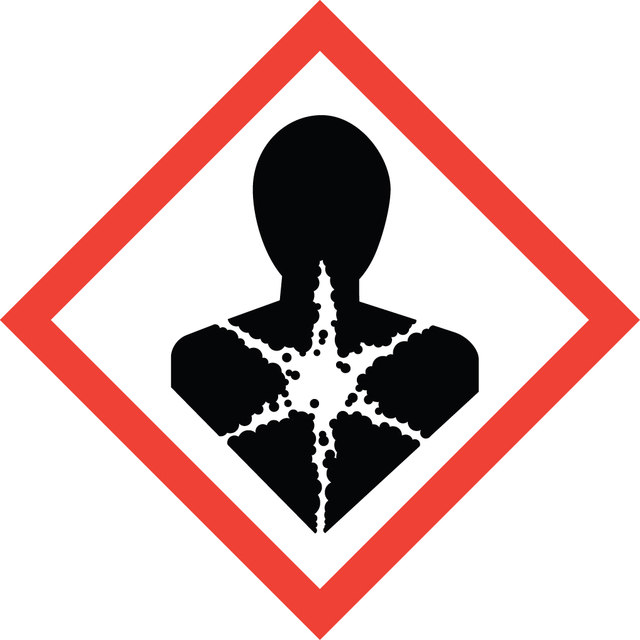
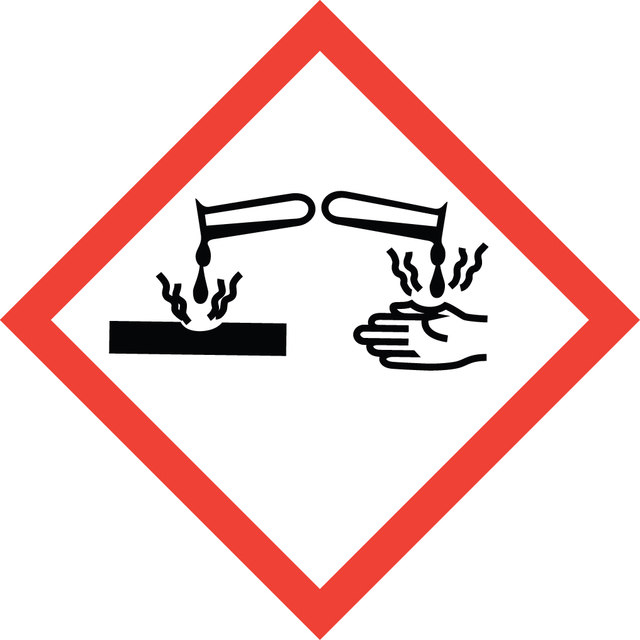
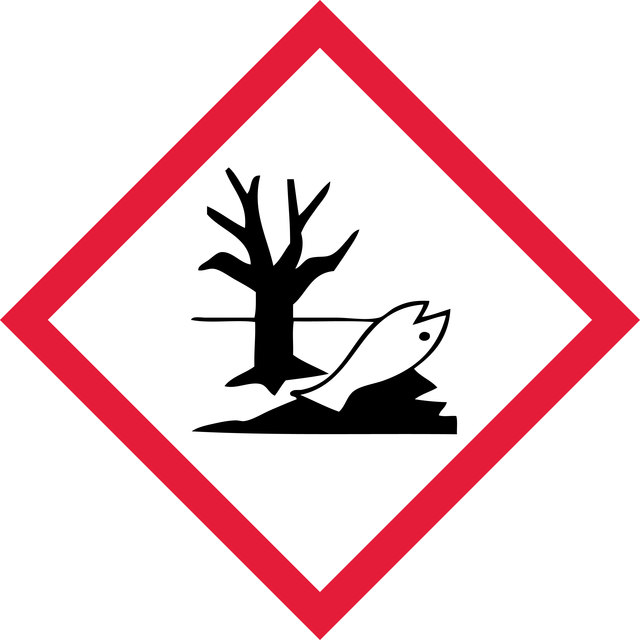
signalword
Danger
Hazard Classifications
Acute Tox. 3 Oral - Aquatic Chronic 2 - Eye Dam. 1 - Met. Corr. 1 - Resp. Sens. 1 - Skin Corr. 1B - Skin Sens. 1 - STOT RE 2
target_organs
Kidney
Storage Class
6.1B - Non-combustible acute toxic Cat. 1 and 2 / very toxic hazardous materials
wgk
WGK 3
flash_point_f
Not applicable
flash_point_c
Not applicable
ppe
Faceshields, Gloves, Goggles, type ABEK (EN14387) respirator filter
Choose from one of the most recent versions:
Already Own This Product?
Find documentation for the products that you have recently purchased in the Document Library.
Articles
Noble-metal nanostructures find diverse applications from catalysis to biomedical research, leveraging surface properties in various fields.
Global Trade Item Number
| SKU | GTIN |
|---|---|
| 262587-50ML | 04061826116388 |
| 262587-10ML | 04061826116371 |
| 262587-250ML | 04061838118967 |