
282197

Carvacrol
98%
Synonym(s):
5-Isopropyl-2-methylphenol
Sign In to View Organizational & Contract Pricing.
Select a Size
Change View
About This Item
Linear Formula:
(CH3)2CHC6H3(CH3)OH
CAS Number:
Molecular Weight:
150.22
UNSPSC Code:
12352100
NACRES:
NA.22
PubChem Substance ID:
EC Number:
207-889-6
Beilstein/REAXYS Number:
1860514
MDL number:
Assay:
98%
Form:
liquid
Quality Level
assay
98%
form
liquid
refractive index
n20/D 1.522 (lit.)
bp
236-237 °C (lit.)
mp
3-4 °C (lit.)
density
0.976 g/mL at 20 °C (lit.)
SMILES string
CC(C)c1ccc(C)c(O)c1
InChI
1S/C10H14O/c1-7(2)9-5-4-8(3)10(11)6-9/h4-7,11H,1-3H3
InChI key
RECUKUPTGUEGMW-UHFFFAOYSA-N
Gene Information
human ... UGT1A4(54657)
General description
Carvacrol is a monoterpenic phenol produced by aromatic plants, thyme and oregano. Carvacrol has been evaluated as alternatives to antibiotic feed additives in female broiler chickens.
Application
Carvacrol has been used in low concentrations as a food flavoring ingredient and preservative, as well as a fragrance ingredient in cosmetic formulations.
Disclaimer
The product is not intended for use as a biocide under global biocide regulations, including but not limited to US EPA′s Federal Insecticide Fungicide and Rodenticide Act, European Biocidal Products Regulation, Canada’s Pest Management Regulatory Agency, Turkey’s Biocidal Products Regulation, Korea’s Consumer Chemical Products and Biocide Safety Management Act (K-BPR) and others.
Still not finding the right product?
Explore all of our products under Carvacrol
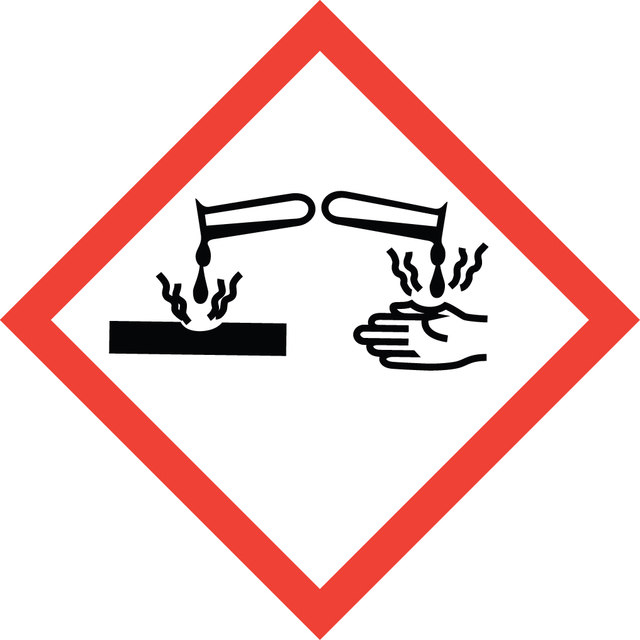
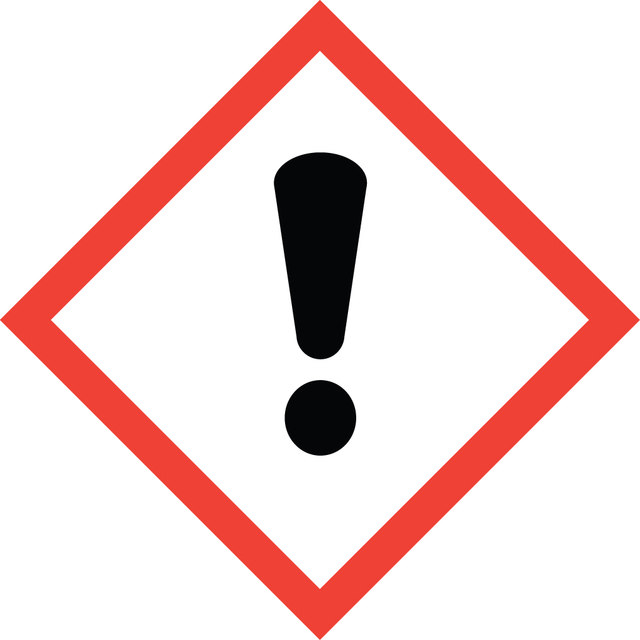
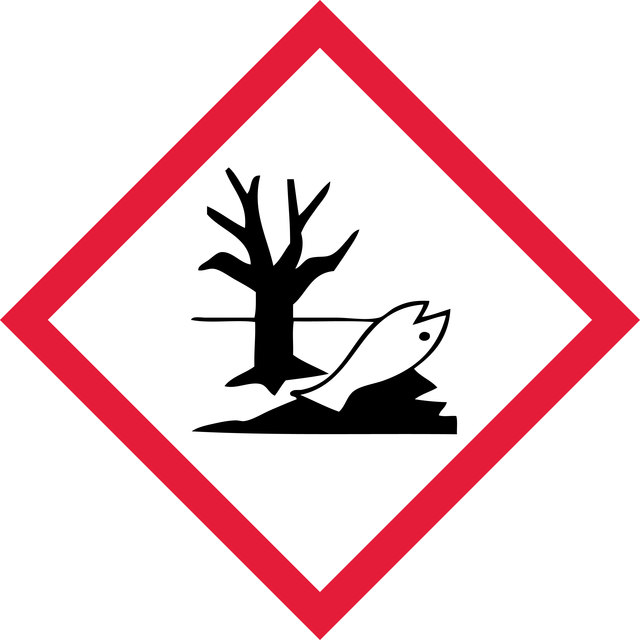
signalword
Danger
hcodes
Hazard Classifications
Acute Tox. 4 Oral - Aquatic Chronic 2 - Eye Dam. 1 - Skin Corr. 1B
Storage Class
8A - Combustible corrosive hazardous materials
flash_point_f
>212.0 °F
flash_point_c
> 100 °C
ppe
Faceshields, Gloves, Goggles, type ABEK (EN14387) respirator filter
Choose from one of the most recent versions:
Already Own This Product?
Find documentation for the products that you have recently purchased in the Document Library.
Antibacterial effect of plant-derived antimicrobials on major bacterial mastitis pathogens in vitro.
S Ananda Baskaran et al.
Journal of dairy science, 92(4), 1423-1429 (2009-03-25)
The objective of this study was to investigate the antimicrobial effect of plant-derived antimicrobials including trans-cinnamaldehyde (TC), eugenol, carvacrol, and thymol on major bacterial mastitis pathogens in milk. The minimum inhibitory concentration (MIC) and minimum bactericidal concentration (MBC) of the
Antibacterial activity of carvacrol, citral, and geraniol against Salmonella typhimurium in culture medium and on fish cubes.
Kim JM, et al.
Journal of Food Science, 60(6), 1364-1368 (1995)
Zacharias E Suntres et al.
Critical reviews in food science and nutrition, 55(3), 304-318 (2014-06-11)
Carvacrol is a monoterpenic phenol produced by an abundant number of aromatic plants, including thyme and oregano. Presently, carvacrol is used in low concentrations as a food flavoring ingredient and preservative, as well as a fragrance ingredient in cosmetic formulations.
Global Trade Item Number
| SKU | GTIN |
|---|---|
| 282197-10G | 04061826226421 |
| 282197-50G | 04061826226445 |