
327182

tert-Butyl acrylate
contains 10-20 ppm monomethyl ether hydroquinone as inhibitor, 98%
Synonym(s):
t-Butyl acrylate
Sign In to View Organizational & Contract Pricing.
Select a Size
Change View
About This Item
Linear Formula:
CH2=CHCOOC(CH3)3
CAS Number:
Molecular Weight:
128.17
UNSPSC Code:
12162002
NACRES:
NA.23
PubChem Substance ID:
EC Number:
216-768-7
Beilstein/REAXYS Number:
1742329
MDL number:
Quality Segment
assay
98%
form
liquid
contains
10-20 ppm monomethyl ether hydroquinone as inhibitor
refractive index
n
bp
61-63 °C/60 mmHg (lit.)
density
0.875 g/mL at 25 °C (lit.)
SMILES string
CC(C)(C)OC(=O)C=C
InChI
1S/C7H12O2/c1-5-6(8)9-7(2,3)4/h5H,1H2,2-4H3
InChI key
ISXSCDLOGDJUNJ-UHFFFAOYSA-N
General description
tert-Butyl acrylate is an organic chemical compound that can be used as a monomer for the preparation of various types of polymers with desirable characteristics. It can undergo free-radical polymerization, which is a common method used to produce polymeric materials. Additionally, tert-butyl acrylate polymers can be copolymerized with other monomers to modify their properties. The versatility of tert-butyl acrylate makes it suitable for a wide range of applications, including coatings, adhesives, sealants, elastomers, and specialty films.
Application
tert-Butyl acrylate is a monomer used to produce poly(tert-butyl acrylate) (PtBA) polymers and copolymers, and poly(acrylic acid) polyelectrolyte brushes. It undergoes radiation polymerization to form TBA-gels for radio-fluorogenic dose imaging applications. The monomer can be used to synthesize Poly(t-butyl acrylate). It may be used as a reactive diluent in a study.
tert-Butyl acrylate can also be used as:
tert-Butyl acrylate can also be used as:
- A building block in the synthesis of asymmetric membranes, which are potentially useful in filtration, separation, or gas permeation processes.
- A monomer in the preparation of a siloxane-incorporated copolymer binder for silicon anodes in lithium-ion batteries.
- A monomer in the synthesis of poly(tert-butyl acrylate)/carbon nanofiber (CNF) materials through atom transfer radical polymerization (ATRP).
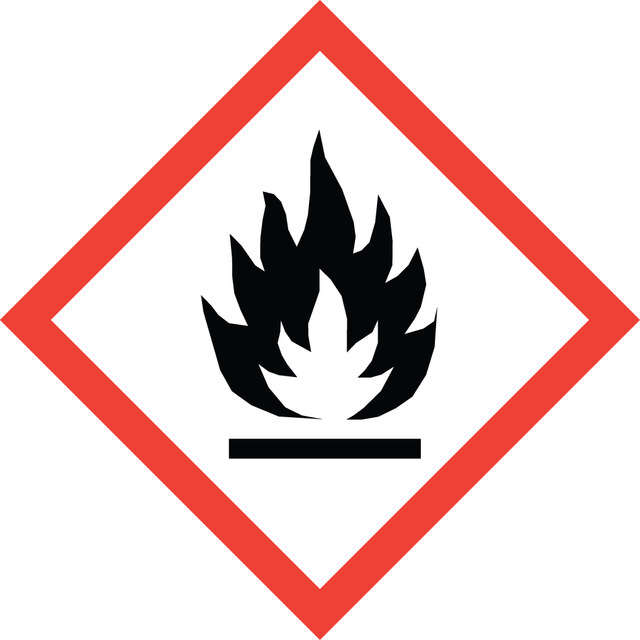
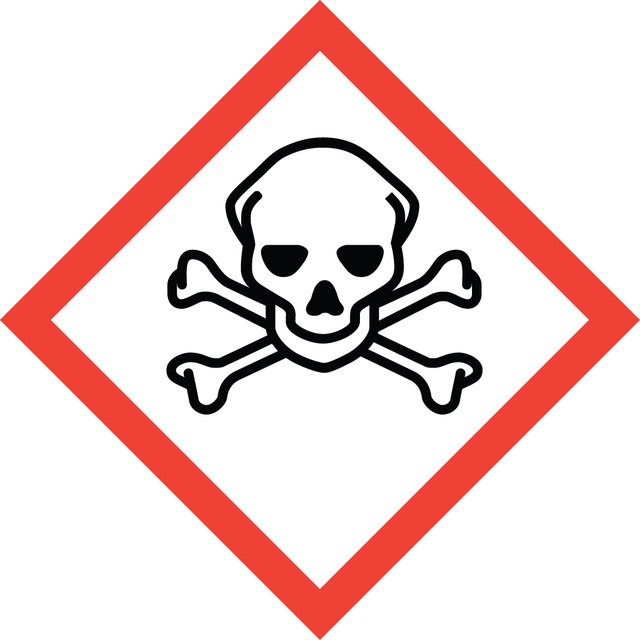
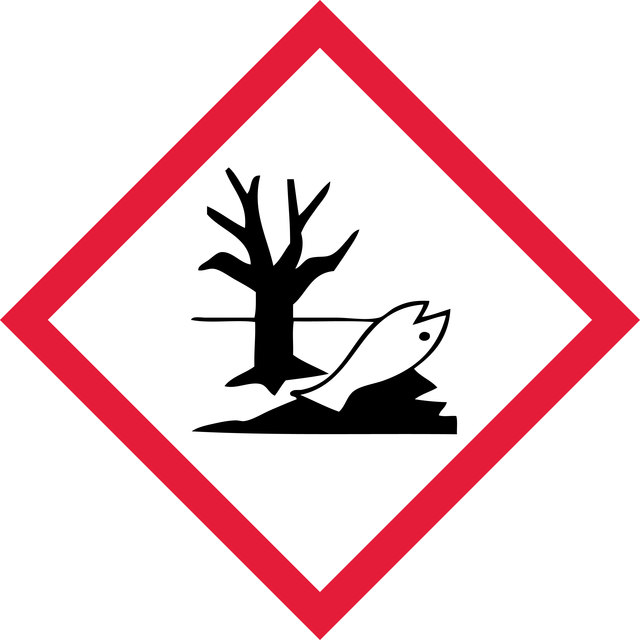
signalword
Danger
Hazard Classifications
Acute Tox. 3 Inhalation - Acute Tox. 4 Dermal - Acute Tox. 4 Oral - Aquatic Chronic 2 - Flam. Liq. 2 - Skin Irrit. 2 - Skin Sens. 1 - STOT SE 3
target_organs
Respiratory system
Storage Class
3 - Flammable liquids
wgk
WGK 2
flash_point_f
62.6 °F - closed cup
flash_point_c
17 °C - closed cup
ppe
Eyeshields, Faceshields, Gloves, type ABEK (EN14387) respirator filter
Choose from one of the most recent versions:
Already Own This Product?
Find documentation for the products that you have recently purchased in the Document Library.