
327441

Platinum
powder, 0.5-1.2 μm, ≥99.9% trace metals basis
Sign In to View Organizational & Contract Pricing.
Select a Size
Change View
About This Item
Empirical Formula (Hill Notation):
Pt
CAS Number:
Molecular Weight:
195.08
UNSPSC Code:
12352300
PubChem Substance ID:
EC Number:
231-116-1
MDL number:
assay
≥99.9% trace metals basis
form
powder
resistivity
10.6 μΩ-cm, 20°C
particle size
0.5-1.2 μm
bp
3827 °C (lit.)
mp
1772 °C (lit.)
density
21.45 g/cm3 (lit.)
SMILES string
[Pt]
InChI
1S/Pt
InChI key
BASFCYQUMIYNBI-UHFFFAOYSA-N
General description
Average particle size determined by Fisher sub-sieve sizer
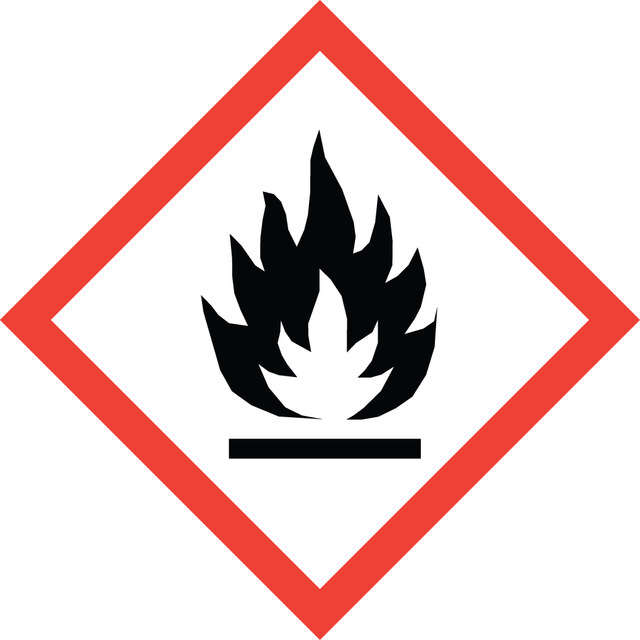
signalword
Danger
hcodes
Hazard Classifications
Flam. Sol. 1
Storage Class
4.1B - Flammable solid hazardous materials
wgk
nwg
flash_point_f
Not applicable
flash_point_c
Not applicable
ppe
Eyeshields, Gloves, type P3 (EN 143) respirator cartridges
Regulatory Information
新产品
This item has
Choose from one of the most recent versions:
Already Own This Product?
Find documentation for the products that you have recently purchased in the Document Library.
Shai Rozen et al.
Plastic and reconstructive surgery, 131(6), 1253-1265 (2013-05-30)
Left untreated, paralytic lagophthalmos may result in corneal dryness, ulcerations, and subsequent blindness. The most common nondynamic surgical solution is upper eyelid weight placement in a superficial, pretarsal pocket, carrying the risk of visibility, extrusion, and entropion. The authors present
Y Yamagishi et al.
Die Pharmazie, 68(3), 178-182 (2013-04-06)
Nano-sized materials are widely used in consumer products, medical devices and engineered pharmaceuticals. Advances in nanotechnology have resulted in materials smaller than the nanoscale, but the biologic safety of the sub-nanosized materials has not been fully assessed. In this study
Yao-Hsuan Tseng et al.
Biochimica et biophysica acta, 1830(6), 3787-3795 (2013-04-02)
Traditional antibacterial photocatalysts are primarily induced by ultraviolet light to elicit antibacterial reactive oxygen species. New generation visible-light responsive photocatalysts were discovered, offering greater opportunity to use photocatalysts as disinfectants in our living environment. Recently, we found that visible-light responsive