
386529

Chlorotrimethylsilane
purified by redistillation, ≥99%
Synonym(s):
TMSCl, TMCS, Trimethylchlorosilane, Trimethylsilyl chloride
Sign In to View Organizational & Contract Pricing.
Select a Size
Change View
About This Item
Linear Formula:
(CH3)3SiCl
CAS Number:
Molecular Weight:
108.64
UNSPSC Code:
12352302
NACRES:
NA.22
PubChem Substance ID:
EC Number:
200-900-5
Beilstein/REAXYS Number:
1209232
MDL number:
Assay:
≥99%
Form:
liquid
vapor density
3.7 (vs air)
Quality Level
vapor pressure
100 mmHg ( 25 °C)
assay
≥99%
form
liquid
autoignition temp.
752 °F
purified by
glass distillation, redistillation
expl. lim.
6.4 %
impurities
<0.1% dichlorodimethylsilane
refractive index
n20/D 1.387 (lit.)
bp
57 °C (lit.)
mp
−40 °C (lit.)
density
0.856 g/mL at 25 °C (lit.)
SMILES string
C[Si](C)(C)Cl
InChI
1S/C3H9ClSi/c1-5(2,3)4/h1-3H3
InChI key
IJOOHPMOJXWVHK-UHFFFAOYSA-N
General description
Chlorotrimethylsilane is a chloroorganosilane compound mainly used for silylation reactions.
Application
Chlorotrimethylsilane (TMSCl) can be used as:
- A reagent to protect alcohol and amine groups via the formation of trimethylsilyl ethers and trimethylsilyl amines.
- A catalyst for the preparation of 1,3-diphenyl-2-propenone derivatives (chalcones) as antimicrobial agents.
- A trapping agent for the anions generated during acyloin condensation reaction.
- A better alternative catalyst to the toxic mercuric chloride for the activation of samarium (Sm) during the cyclopropanation of both allylic and α-allenic alcohols.
- A catalyst in the transesterification of triglycerides with alcohols to form fatty acid alkyl esters.
- A reagent along with lithium bromide for the conversion of alcohols to the corresponding bromides.
- A reagent in Fischer glycosidation.
- A source of acid catalyst in the reductive benzylation reaction using benzaldehyde and Et3SiH.
- A reagent to synthesize sodium trimethylsilanethiolate (Me3SiSNa) by reacting with sodium sulfide, which is an odorless alternative method of synthesizing Me3SiSNa from foul-smelling bis(trimethylsilyl)sulfide and sodium methoxide.
Still not finding the right product?
Explore all of our products under Chlorotrimethylsilane
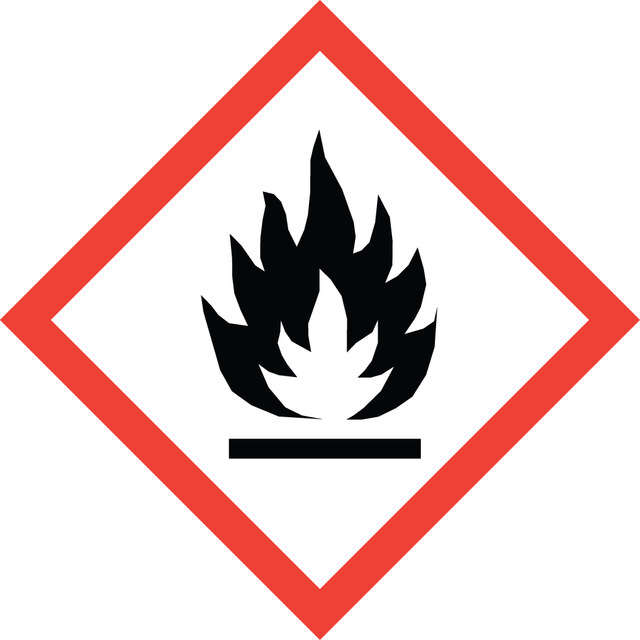
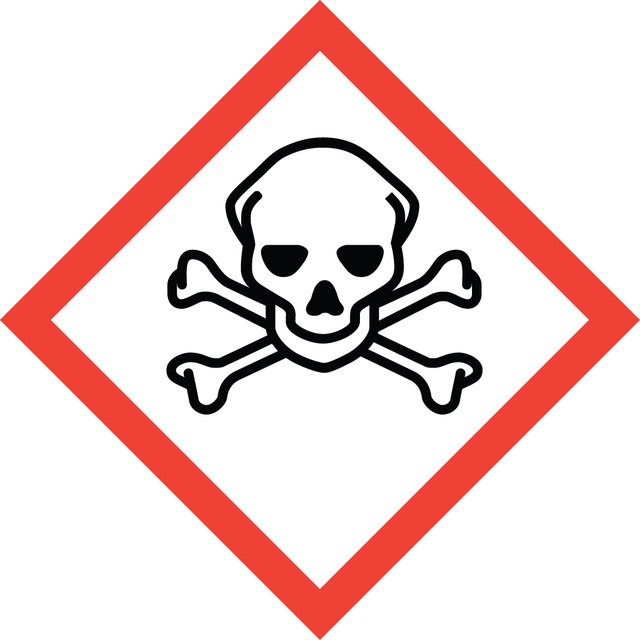
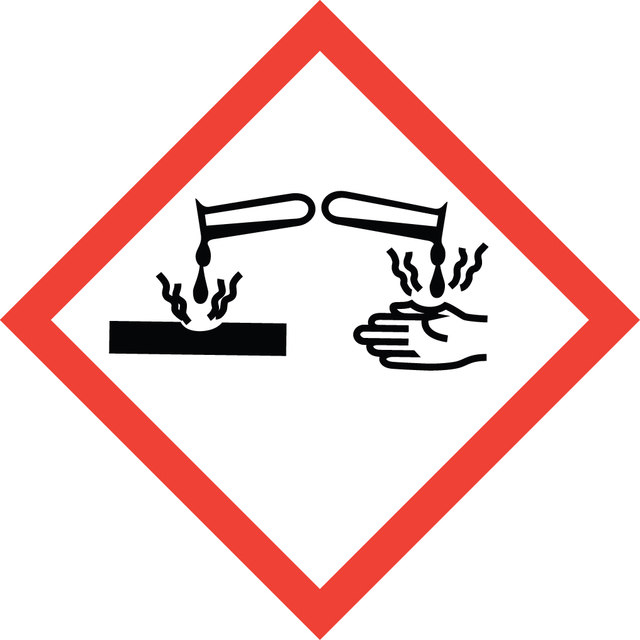
signalword
Danger
Hazard Classifications
Acute Tox. 3 Inhalation - Acute Tox. 3 Oral - Acute Tox. 4 Dermal - Eye Dam. 1 - Flam. Liq. 2 - Skin Corr. 1A
supp_hazards
Storage Class
3 - Flammable liquids
wgk
WGK 1
flash_point_f
-18.4 °F - closed cup
flash_point_c
-28 °C - closed cup
ppe
Faceshields, Gloves, Goggles
Regulatory Information
危险化学品
This item has
Choose from one of the most recent versions:
Already Own This Product?
Find documentation for the products that you have recently purchased in the Document Library.
Jukun Xiong et al.
Environmental pollution (Barking, Essex : 1987), 219, 596-603 (2016-06-29)
To reveal the emission patterns of brominated flame retardants (BFRs) in the Beijiang River, South China, concentrations of polybrominated diphenyl ethers (PBDEs) and phenolic BFRs (2,4,6-tribromophenol (TBP), pentabromophenol (PeBP), tetrabromobisphenol A (TBBPA)), and bisphenol A (BPA) in water and sediments
Guozhong Zhao et al.
Frontiers in microbiology, 11, 579808-579808 (2021-01-26)
Japanese soy sauce has become more acceptable by Chinese consumers due to its umami taste. However, the volatile flavor compounds and taste characters have not been fully clarified. This study aimed to explore the flavor characteristics of three kinds of
Potassium dodecatangestocobaltate trihydrate (K5CoW12O40{\textperiodcentered} 3H2O): a mild and efficient catalyst for deprotection of dioxolanes and trimethylsilyl ethers
Habibi MH, et al.
Tetrahedron Letters, 42(38), 6771-6774 (2001)
Global Trade Item Number
| SKU | GTIN |
|---|---|
| 386529-1L | 04061837522512 |
| 386529-100ML | 04061837522505 |
| 386529-25ML | 04061837522529 |
| 386529-2L | 04061838119629 |
| 386529-4X100ML | 04061831966947 |