
Sign In to View Organizational & Contract Pricing.
Select a Size
Change View
About This Item
Linear Formula:
Na2S
CAS Number:
Molecular Weight:
78.04
NACRES:
NA.23
PubChem Substance ID:
UNSPSC Code:
12352300
EC Number:
215-211-5
MDL number:
form
solid
reaction suitability
reagent type: catalyst
core: sodium
mp
950 °C (lit.)
density
1.86 g/mL at 25 °C (lit.)
storage temp.
2-8°C
SMILES string
[Na]S[Na]
InChI
1S/2Na.S
InChI key
CXPWOVUZRAFMDA-UHFFFAOYSA-N
General description
Anhydrous sodium sulfide 98% is a chemical compound that appears as a yellow-to-white, crystalline solid with a strong odor of hydrogen sulfide. It is a highly reactive inorganic chalcogenide that acts as a reducing agent, making it an essential reagent in many chemical processes. Anhydrous sodium sulfide decomposes in water and forms an alkaline solution. Our anhydrous sodium sulfide is rigorously dried for use in applications sensitive to moisture or water.
Application
Anhydrous sodium sulfide 98% is commonly used in the pulp and paper industry for the manufacture of paper products. It is used as a bleaching agent and for the removal of lignin from wood pulp. In the textile industry, it is used as a dyeing agent for cotton and wool fibers. In the leather industry, anhydrous sodium sulfide 98% is used for the removal of hair and feathers from animal hides, and as a tanning agent. Additionally, it is used in the production of sulfur dyes, pesticides, and pharmaceuticals. Its reducing properties also make it useful in the synthesis of organic compounds, such as thioesters and thioketones. Anhydrous sodium sulfide 98% is also widely used in mineral floatation processes, where it helps separate valuable minerals from their ores.
Features and Benefits
- Quality Guaranteed - Quality-tested to be 98% pure for consistent results.
- Available to scale up: bulk and pilot scale
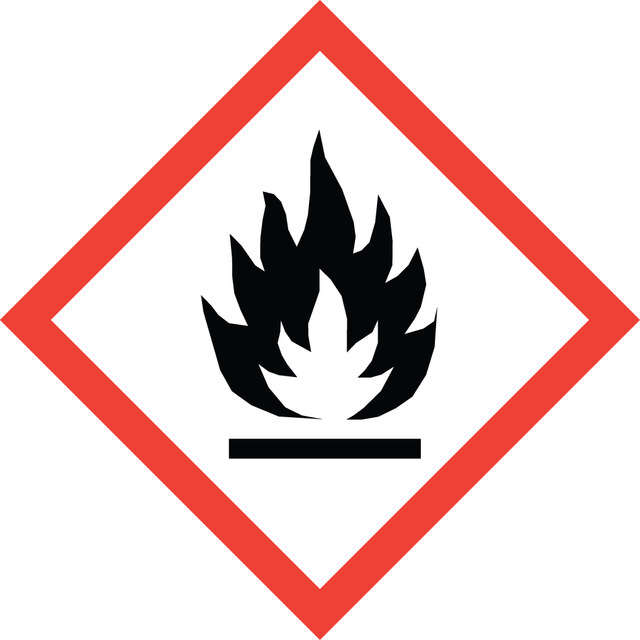
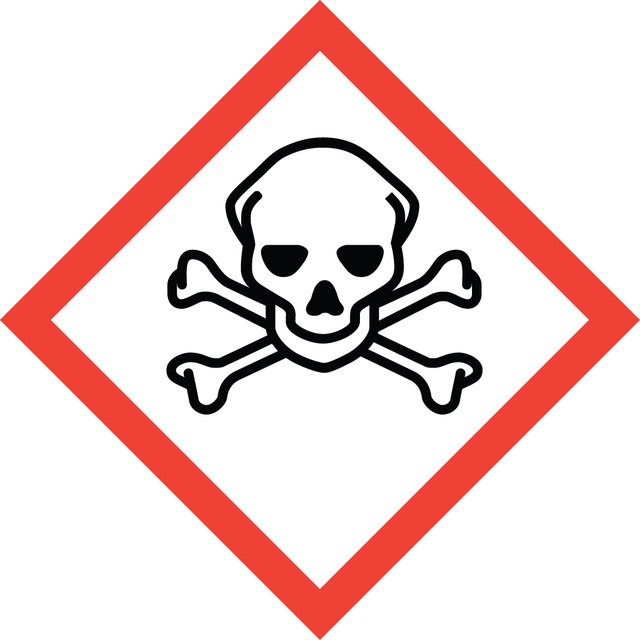
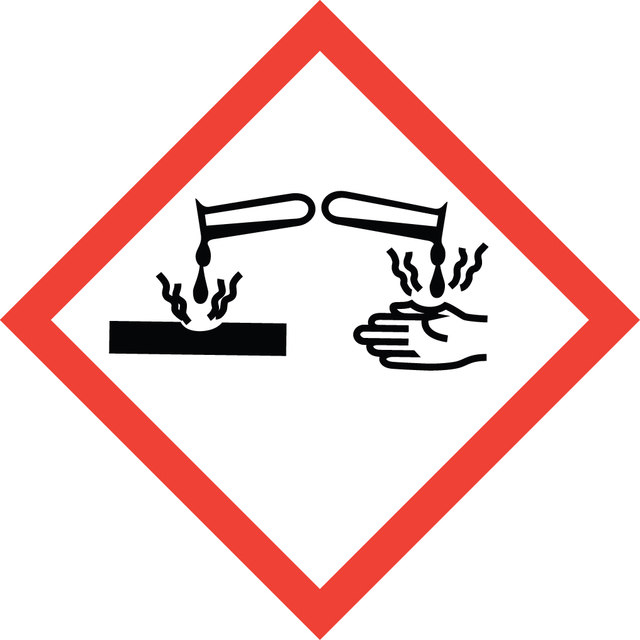
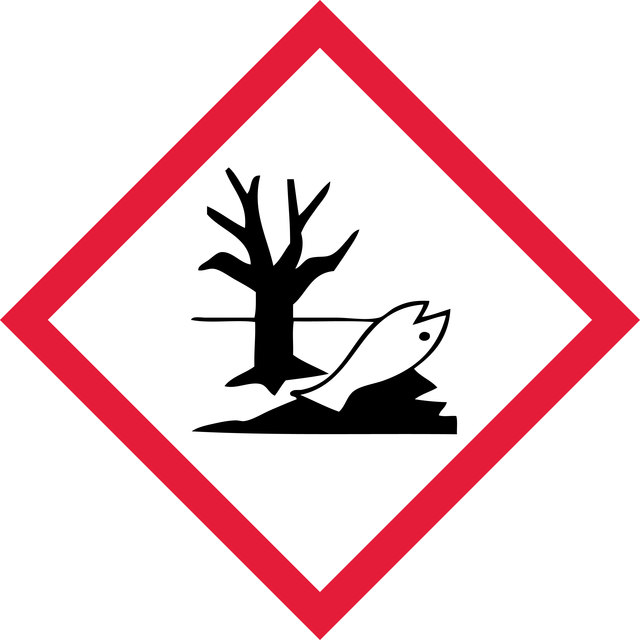
signalword
Danger
Hazard Classifications
Acute Tox. 3 Dermal - Acute Tox. 3 Oral - Aquatic Acute 1 - Eye Dam. 1 - Met. Corr. 1 - Self-heat. 1 - Skin Corr. 1B
supp_hazards
Storage Class
4.2 - Pyrophoric and self-heating hazardous materials
wgk
WGK 3
flash_point_f
Not applicable
flash_point_c
Not applicable
ppe
Eyeshields, Faceshields, Gloves, type P3 (EN 143) respirator cartridges
Regulatory Information
监管及禁止进口产品
This item has
Choose from one of the most recent versions:
Already Own This Product?
Find documentation for the products that you have recently purchased in the Document Library.
Articles
Noble-metal nanostructures find diverse applications from catalysis to biomedical research, leveraging surface properties in various fields.
Xing H Xu et al.
Aquatic toxicology (Amsterdam, Netherlands), 150, 144-150 (2014-04-01)
In this study, immunological and histological responses of the crab Charybdis japonica to sulfide stress were investigated. The 24, 48, 72, and 96-h LC50 values of Na2S were 6.634, 4.703, 3.886, and 2.190 mM, respectively. Based on these results, the
Infusion of sodium sulfide improves myocardial and
endothelial function in a canine model of cardiopulmonary
bypass
endothelial function in a canine model of cardiopulmonary
bypass
Szabo C, et al.
Critical Care, 11(2) (2007)
Synthesis of thiamono-and thiabicyclanes from sodium sulfide and methanethiolate
Baeva LA, et al.
Chemistry of Heterocyclic Compounds, 45(10), 1197-1201 (2009)
Global Trade Item Number
| SKU | GTIN |
|---|---|
| P0878-10MG | 04061833007907 |
| P0878-25G | 04061833007914 |
| P0878-5G | 04061833007921 |
| 72983-100MG | 04061833985748 |
| P0878-1G | 04061834353157 |
| 5097050001 | 04055977241051 |
| 407410-50G | 04061831988185 |
| 407410-10G | 04061831988178 |