
416002

Poly(acrylic acid) solution
average Mw ~250,000, 35 wt. % in H2O
Synonym(s):
PAA
Select a Size
About This Item
form
viscous liquid
Quality Level
mol wt
average Mw ~250,000
concentration
35 wt. % in H2O
refractive index
n20/D 1.395
density
1.150 g/mL at 25 °C
SMILES string
OC(=O)C=C
InChI
1S/C3H4O2.Na/c1-2-3(4)5;/h2H,1H2,(H,4,5);/q;+1/p-1
InChI key
NNMHYFLPFNGQFZ-UHFFFAOYSA-M
General description
Application
Still not finding the right product?
Explore all of our products under Poly(acrylic acid) solution
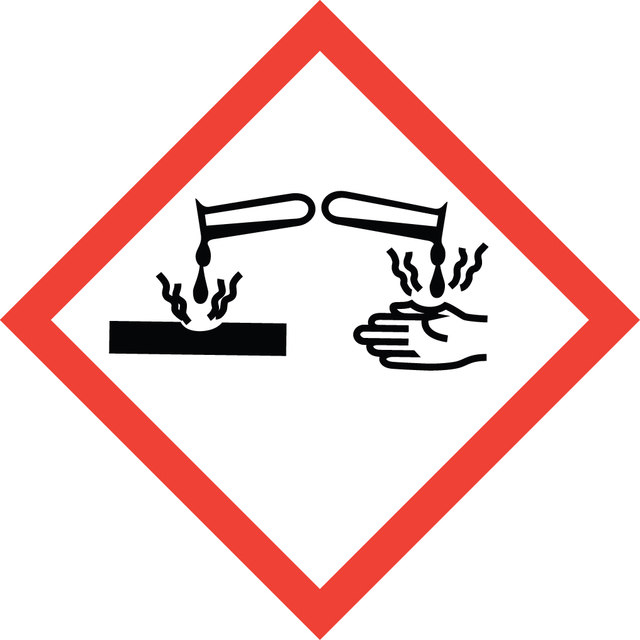

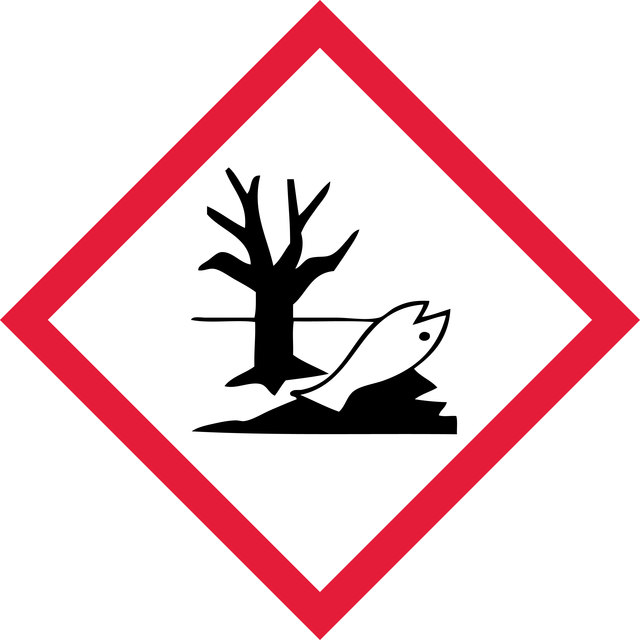
signalword
Danger
hcodes
Hazard Classifications
Aquatic Acute 1 - Aquatic Chronic 2 - Eye Dam. 1 - STOT SE 3
target_organs
Respiratory system
Storage Class
10 - Combustible liquids
wgk
WGK 1
flash_point_f
212.0 °F - closed cup
flash_point_c
100 °C - closed cup
ppe
Eyeshields, Gloves, multi-purpose combination respirator cartridge (US)
Choose from one of the most recent versions:
Already Own This Product?
Find documentation for the products that you have recently purchased in the Document Library.
Articles
Laboratory safety tools: Offers educational tools for chemistry, prioritizing customer health and safety, with online support available.
We have discussed shortly the applications of 1:1 and 2:1 phyllosilicate material in membrane technology, as well as the basic geometric understanding of their layered structures.
Global Trade Item Number
| SKU | GTIN |
|---|---|
| 416002-250ML | 04061838253736 |
| 416002-500ML | 04061838253743 |
| 416002-5ML | 04061838054074 |