Skip to Content
Merck
CN

441244

Paraformaldehyde

prilled, 95%

Synonym(s):

Polyoxymethylene

Sign In to View Organizational & Contract Pricing.

Select a Size

Change View

About This Item

Linear Formula:
HO(CH2O)nH
CAS Number:
Molecular Weight:
30.03 (as monomer)
UNSPSC Code:
12352100
PubChem Substance ID:
NACRES:
NA.22
MDL number:
Assay:
95%
Form:
prilled
Technical Service
Need help? Our team of experienced scientists is here for you.
Let Us Assist


vapor density

1.03 (vs air)

Quality Level

vapor pressure

<1.45 mmHg ( 25 °C)

assay

95%

form

prilled

autoignition temp.

572 °F

expl. lim.

73 %

mp

120-170 °C (lit.)

transition temp

sublimation point 150 °C

solubility

alcohol and cold water: slightly soluble, ethers, hydrocarbons and carbon tetrachloride: insoluble

density

0.88 g/mL at 25 °C (lit.)

SMILES string

[O-]#[C+H2]

InChI

1S/CH2O/c1-2/h1H2

InChI key

WSFSSNUMVMOOMR-UHFFFAOYSA-N

General description

Paraformaldehyde, a polymerization product of formaldehyde, is used in the polycondensation reaction for the synthesis of thermoset polymers.

Paraformaldehyde is also referred as polyoxymethylene. It participates in the regioselective reductive coupling reactions of dienes, alkynes and allenes in the presence of ruthenium catalyst. It also participates in the synthesis of esters, via alkoxycarbonylation of alkenes.

Application

Formaldehyde source to prepare phenol-, urea-, furfuryl alcohol-, resorcinol- and melamine-formaldehyde polymers for use in coatings, wood products, textiles and foundry resins.
Paraformaldehyde may be used in the preparation of azomethine ylide, α-methylenechromanes, α-methylenequinoline and ortho-quinone methides.

Features and Benefits

Source of methanol-free formaldehyde.
Decomposes in hot water to give formaldehyde.


Still not finding the right product?

Explore all of our products under Paraformaldehyde
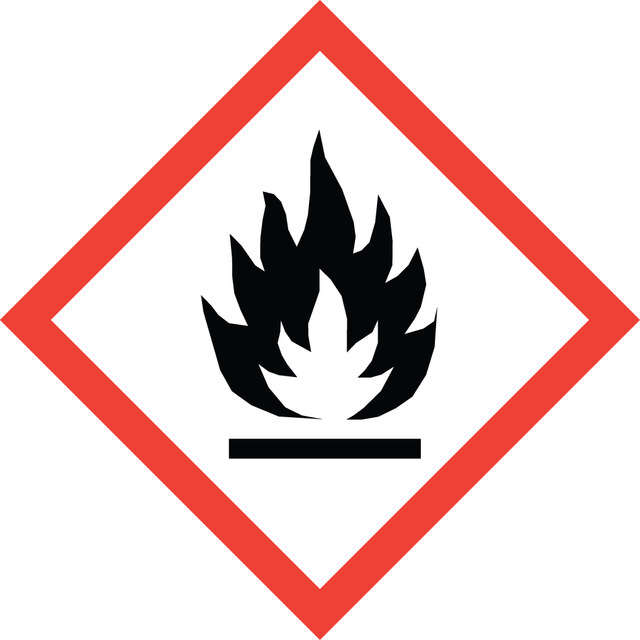

signalword

Danger

Hazard Classifications

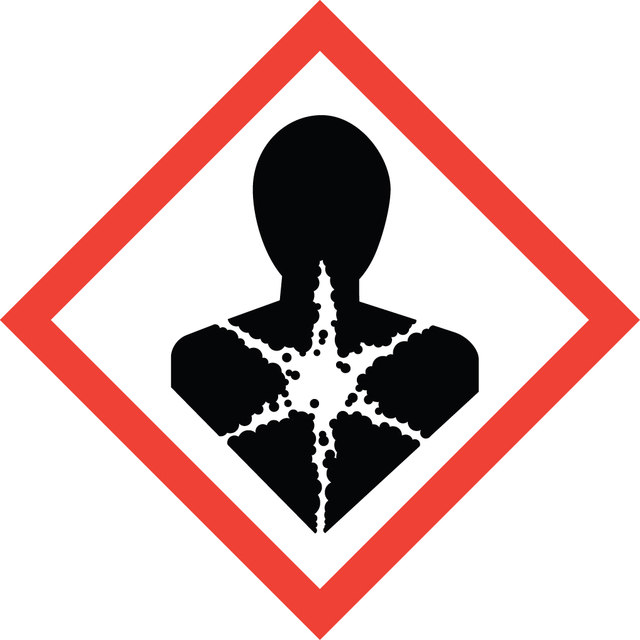
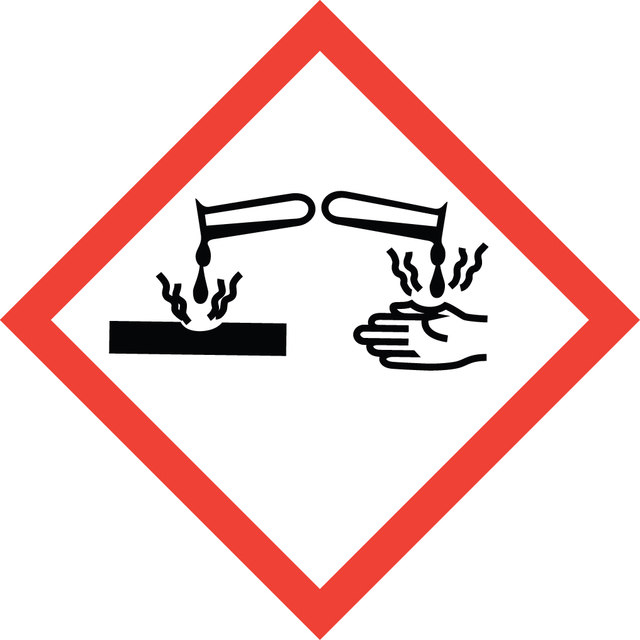
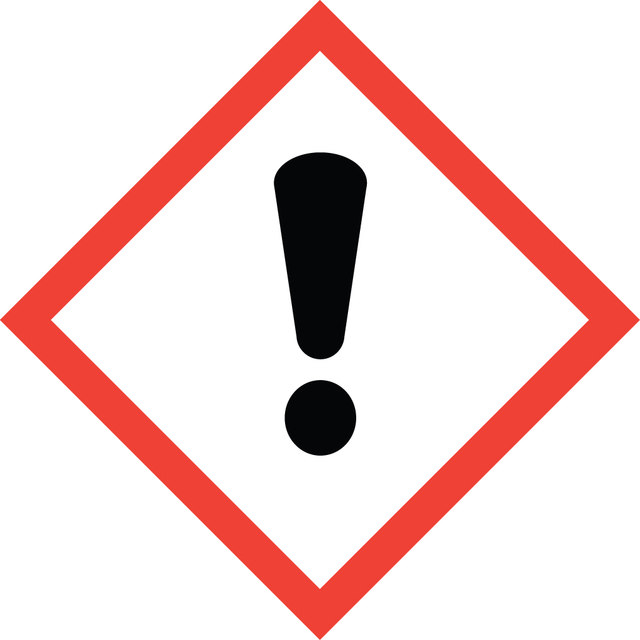
Acute Tox. 4 Inhalation - Acute Tox. 4 Oral - Carc. 1B - Eye Dam. 1 - Flam. Sol. 2 - Muta. 2 - Skin Irrit. 2 - Skin Sens. 1 - STOT SE 3

target_organs

Respiratory system

Storage Class

4.1B - Flammable solid hazardous materials

wgk

WGK 2

flash_point_f

Not applicable

flash_point_c

Not applicable

ppe

Eyeshields, Faceshields, Gloves, type P3 (EN 143) respirator cartridges

Regulatory Information

危险化学品

This item has


Choose from one of the most recent versions:

Certificates of Analysis (COA)

Lot/Batch Number

Don't see the Right Version?

If you require a particular version, you can look up a specific certificate by the Lot or Batch number.

Already Own This Product?

Find documentation for the products that you have recently purchased in the Document Library.

Visit the Document Library


Ruthenium-Catalyzed Alkoxycarbonylation of Alkenes with Paraformaldehyde as a Carbon Monoxide Substitute.
Liu Q, et al.
ChemCatChem, 6(10), 2805-2809 (2014)
Brannon Sam et al.
Angewandte Chemie (International ed. in English), 54(11), 3267-3274 (2014-11-29)
Ruthenium-catalyzed reductive couplings of paraformaldehyde with dienes, alkynes, and allenes provide access to products of hydrohydroxymethylation that cannot be formed selectively under the conditions of hydroformylation. In certain cases, the regioselectivity of the CC coupling can be inverted by using
J Justin Mulvey et al.
International journal of nanomedicine, 9, 4245-4255 (2014-09-18)
We aimed to create a more robust and more accessible standard for amine-modifying single-walled carbon nanotubes (SWCNTs). A 1,3-cycloaddition was developed using an azomethine ylide, generated by reacting paraformaldehyde and a side-chain-Boc (tert-Butyloxycarbonyl)-protected, lysine-derived alpha-amino acid, H-Lys(Boc)-OH, with purified SWCNT


Global Trade Item Number

SKUGTIN
441244-1KG04061835052332
441244-3KG04061832281896