
451665

Copper(II) chloride
anhydrous, powder, ≥99.995% trace metals basis
Synonym(s):
Cupric chloride
Select a Size
About This Item
Quality Level
grade
anhydrous
assay
≥99.995% trace metals basis
form
powder
reaction suitability
core: copper
impurities
≤50.0 ppm Trace Metal Analysis
mp
620 °C (lit.)
density
3.386 g/mL at 25 °C (lit.)
application(s)
electroplating
material synthesis precursor
SMILES string
Cl[Cu]Cl
InChI
1S/2ClH.Cu/h2*1H;/q;;+2/p-2
InChI key
ORTQZVOHEJQUHG-UHFFFAOYSA-L
General description
Application
Modified Markó′s aerobic oxidation of alcohols under atmospheric pressure with air or molecular oxygen at room temperature
Features and Benefits
- High purity of ≥99.995% Copper(II) chloride minimizes impurities, boosting efficiency and selectivity in catalytic processes essential for organic synthesis and industrial chemical production.
- The presence of low metal impurities in ≥99.995% copper(II) chloride ensure consistent quality in electroplating applications, enhancing adhesion and achieving uniform coatings on substrates without contamination that could compromise the finish.
- Anhydrous CuCl₂ reduces the risk of hydrolysis, preventing unwanted by-products and enhancing the efficiency of chemical processes.
Still not finding the right product?
Explore all of our products under Copper(II) chloride


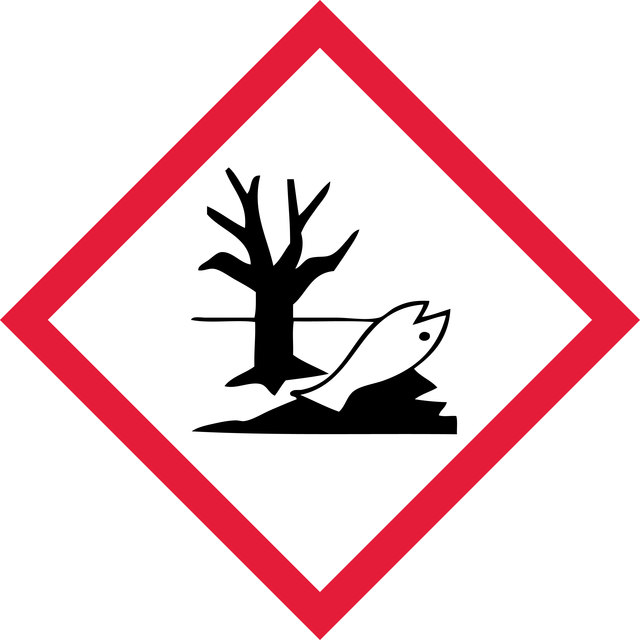
signalword
Danger
Hazard Classifications
Acute Tox. 4 Dermal - Acute Tox. 4 Oral - Aquatic Acute 1 - Aquatic Chronic 2 - Eye Dam. 1 - Skin Irrit. 2
Storage Class
8A - Combustible corrosive hazardous materials
wgk
WGK 3
flash_point_f
Not applicable
flash_point_c
Not applicable
ppe
dust mask type N95 (US), Eyeshields, Gloves
Regulatory Information
This item has
Choose from one of the most recent versions:
Already Own This Product?
Find documentation for the products that you have recently purchased in the Document Library.
Articles
Oxidation and reduction reactions are some of the most common transformations encountered in organic synthesis
The prevailing strategies for heat and electric-power production that rely on fossil and fission fuels are having a negative impact on the environment and on our living conditions.
Lanthanide ions in spectral conversion enhance solar cell efficiency via photon conversion.
Global Trade Item Number
| SKU | GTIN |
|---|---|
| 451665-25G | 04061832324289 |
| 451665-5G | 04061832324296 |