
518573

Aluminum
granular, <1 mm, 99.7% trace metals basis
Synonym(s):
Aluminium granules
Select a Size
About This Item
Quality Level
assay
99.7% trace metals basis
form
granular
autoignition temp.
1400 °F
resistivity
2.6548 μΩ-cm
particle size
<1 mm
bp
2460 °C (lit.)
mp
660.37 °C (lit.)
density
2.7 g/mL at 25 °C (lit.)
SMILES string
[Al]
InChI
1S/Al
InChI key
XAGFODPZIPBFFR-UHFFFAOYSA-N
Application
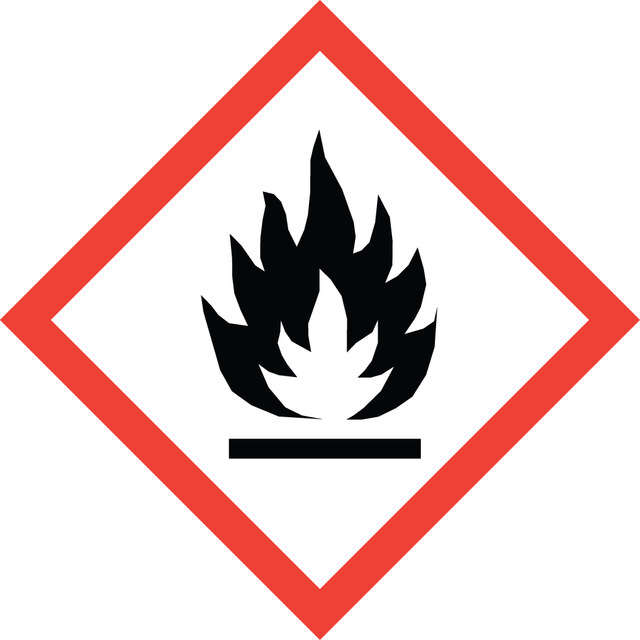
signalword
Danger
hcodes
Storage Class
4.3 - Hazardous materials which set free flammable gases upon contact with water
wgk
nwg
flash_point_f
Not applicable
flash_point_c
Not applicable
ppe
Eyeshields, Gloves, type N95 (US)
Hazard Classifications
Flam. Sol. 1 - Water-react. 2
Regulatory Information
This item has
Choose from one of the most recent versions:
Already Own This Product?
Find documentation for the products that you have recently purchased in the Document Library.
Articles
Solid state and materials chemistry have made a tremendous impact and have experienced growth in recent years, particularly for rare earthcontaining materials.
Ultrasonic spray pyrolysis produces scalable nanomaterials like metal oxides and quantum dots for diverse applications.
Biomedical implants are essentially foreign substances within the human body that must survive many years’ exposure to demanding mechanical and physiological conditions. Despite these challenges, metal implants have been widely used to substitute for or rebuild hard tissues such as bones and teeth.
Global Trade Item Number
| SKU | GTIN |
|---|---|
| 518573-500G | 04061832543963 |