
769495

Cobalt(II) chloride hexahydrate
≥97%
Synonym(s):
Cobaltous chloride hexahydrate
Select a Size
About This Item
vapor pressure
40 mmHg ( 0 °C)
Quality Level
assay
≥97%, 97.0-102.0% (KT)
form
solid
reaction suitability
core: cobalt
anion traces
nitrate (NO3-): ≤0.01%, sulfate (SO42-): ≤0.007%
cation traces
Fe: ≤0.005%, Ni: ≤0.15%, Pb: ≤0.002%, Zn: ≤0.05%
application(s)
battery precursors
catalysts
material synthesis precursor
SMILES string
O.O.O.O.O.O.Cl[Co]Cl
InChI
1S/2ClH.Co.6H2O/h2*1H;;6*1H2/q;;+2;;;;;;/p-2
InChI key
GFHNAMRJFCEERV-UHFFFAOYSA-L
General description
Application
- An additive to the electron transport layer (ETL) in perovskite solar cells to improve their performance, particularly by reducing energy losses and increasing the open-circuit voltage.
- A cobalt source for doping ZnO nanostructures. The incorporation of cobalt ions into the ZnO matrix is crucial for modifying its electronic and optical properties.
- A precursor to modify cobalt metal-organic framework (Co-MOF) derived carbon microspheres for application as anode materials in lithium-ion batteries.
Analysis Note
Still not finding the right product?
Explore all of our products under Cobalt(II) chloride hexahydrate



signalword
Danger
Hazard Classifications
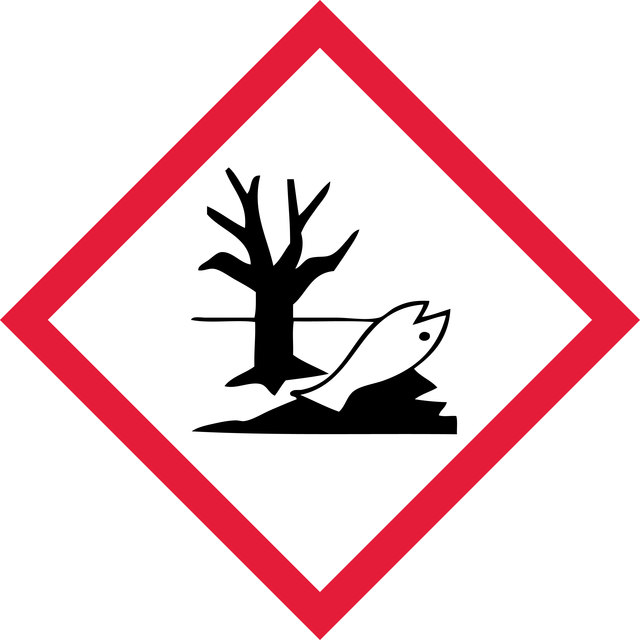
Acute Tox. 4 Oral - Aquatic Acute 1 - Aquatic Chronic 1 - Carc. 1B Inhalation - Eye Dam. 1 - Muta. 2 - Repr. 1B - Resp. Sens. 1 - Skin Sens. 1
Storage Class
6.1D - Non-combustible acute toxic Cat.3 / toxic hazardous materials or hazardous materials causing chronic effects
wgk
WGK 3
flash_point_f
Not applicable
flash_point_c
Not applicable
Regulatory Information
This item has
Choose from one of the most recent versions:
Already Own This Product?
Find documentation for the products that you have recently purchased in the Document Library.
Global Trade Item Number
| SKU | GTIN |
|---|---|
| 769495-100G | 04061833315019 |