
915696

Lead(II) bromide
Anhydrobeads™, 99.999% trace metals basis, (perovskite grade)
Synonym(s):
Lead bromide, Lead dibromide, Plumbous bromide
Select a Size
About This Item
grade
synthesis grade
Quality Level
assay
99.999% trace metals basis
bp
892 °C (lit.)
mp
371 °C (lit.)
density
6.66 g/mL at 25 °C (lit.)
SMILES string
Br[PbH2]Br
InChI
1S/2BrH.Pb/h2*1H;/q;;+2/p-2
InChI key
ZASWJUOMEGBQCQ-UHFFFAOYSA-L
Application
Packaging
Legal Information
Still not finding the right product?
Explore all of our products under Lead(II) bromide
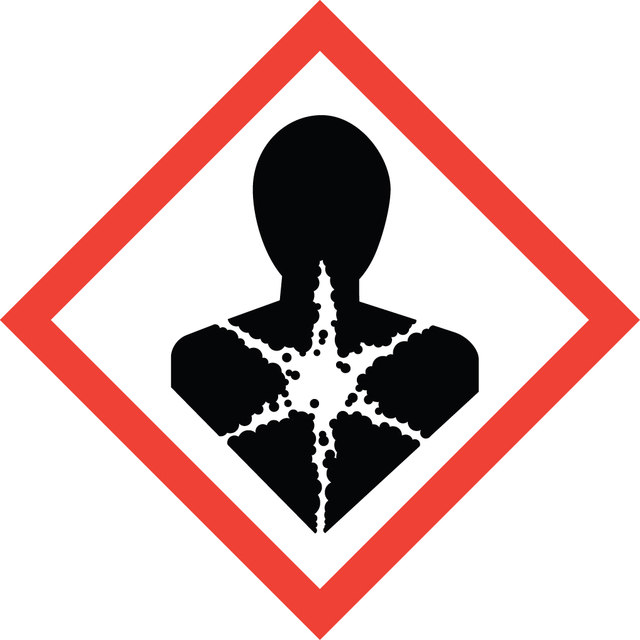

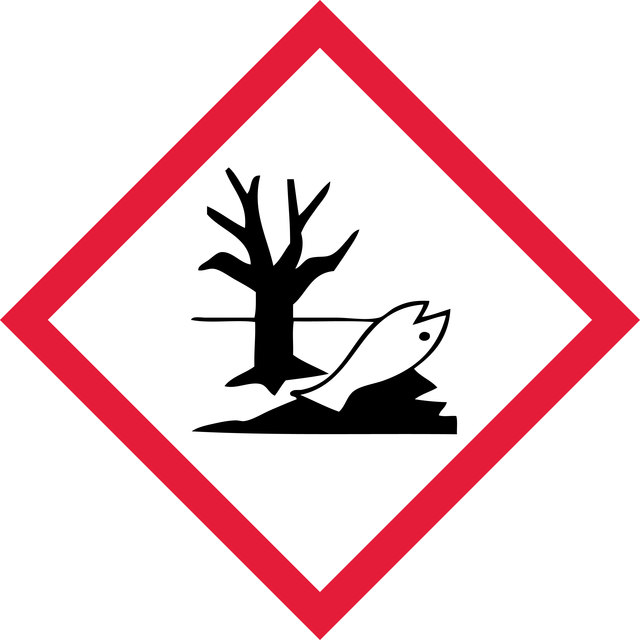
signalword
Danger
Hazard Classifications
Acute Tox. 4 Inhalation - Acute Tox. 4 Oral - Aquatic Acute 1 - Aquatic Chronic 1 - Repr. 1A - STOT RE 2
Storage Class
6.1D - Non-combustible acute toxic Cat.3 / toxic hazardous materials or hazardous materials causing chronic effects
wgk
WGK 3
flash_point_f
Not applicable
flash_point_c
Not applicable
Choose from one of the most recent versions:
Already Own This Product?
Find documentation for the products that you have recently purchased in the Document Library.
Articles
To achieve net-zero emissions by 2050, renewable power contributions must triple. Photovoltaic stations provide vital utility power, achieved primarily through third- and fourth-generation technology. Promising trends include recycling and revolutionary, ultra-lightweight, flexible, and printable solar cells.
Global Trade Item Number
| SKU | GTIN |
|---|---|
| 915696-5G | 04065266236583 |