
C22407

3-Chloroaniline
99%
Synonym(s):
1-Amino-3-chlorobenzene, 3-Amino-1-chlorobenzene, 3-Chloro-1-aminobenzene, 3-Chlorobenzenamine, 3-Chlorophenylamine, 5-Chloroaniline, m-Aminochlorobenzene, m-Chloroaniline, m-Chlorophenylamine
Select a Size
About This Item
vapor pressure
1 mmHg ( 63.5 °C)
Quality Level
assay
99%
form
liquid
refractive index
n20/D 1.594 (lit.)
bp
95-96 °C/11 mmHg (lit.)
mp
−11-−9 °C (lit.)
density
1.206 g/mL at 25 °C (lit.)
SMILES string
Nc1cccc(Cl)c1
InChI
1S/C6H6ClN/c7-5-2-1-3-6(8)4-5/h1-4H,8H2
InChI key
PNPCRKVUWYDDST-UHFFFAOYSA-N
Application
- Elevated level of the second messenger c-di-GMP in Comamonas testosteroni enhances biofilm formation and biofilm-based biodegradation of 3-chloroaniline.: This research reveals that increased levels of c-di-GMP in Comamonas testosteroni enhance both biofilm formation and the biodegradation efficiency of 3-chloroaniline, suggesting a strategy to improve bioremediation processes (Wu et al., 2015).
- Degradation of chloroanilines by toluene dioxygenase from Pseudomonas putida T57.: The study investigates the role of toluene dioxygenase from Pseudomonas putida T57 in degrading chloroanilines, providing insights into the enzymatic mechanisms and potential applications in treating chloroaniline pollutants (Nitisakulkan et al., 2014).
- Bioaugmentation as a tool to protect the structure and function of an activated-sludge microbial community against a 3-chloroaniline shock load.: The study evaluates the effectiveness of bioaugmentation in maintaining the stability and functionality of microbial communities in activated sludge systems exposed to 3-chloroaniline, supporting its application in wastewater treatment (Boon et al., 2003).
Still not finding the right product?
Explore all of our products under 3-Chloroaniline
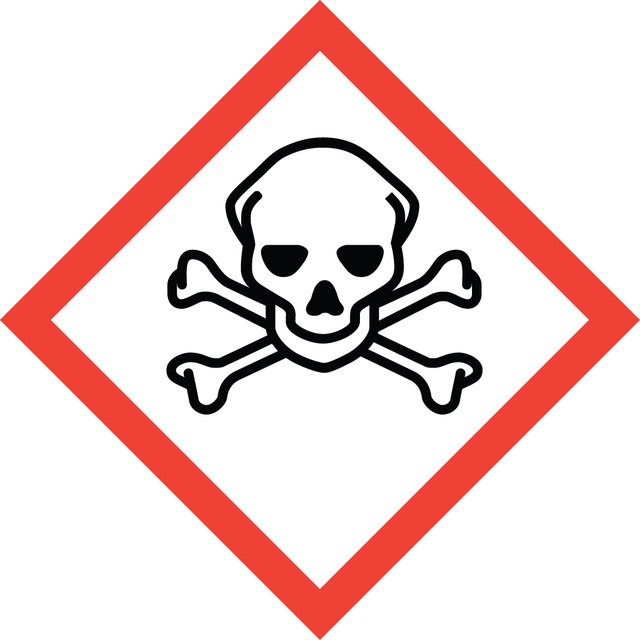
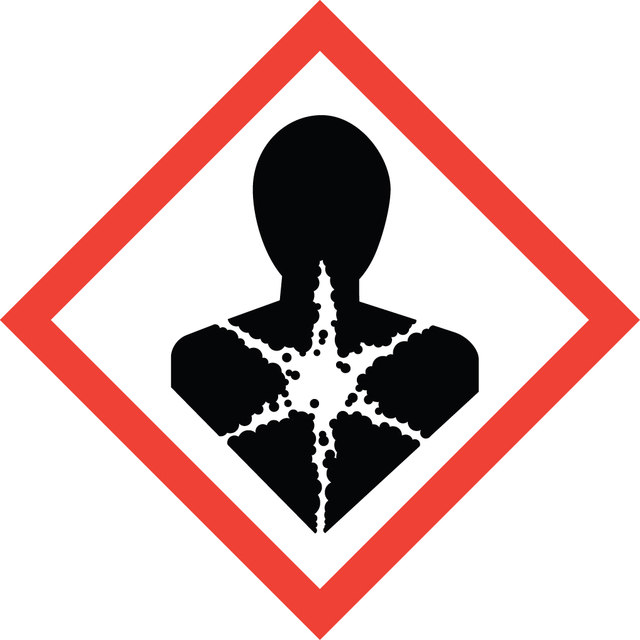
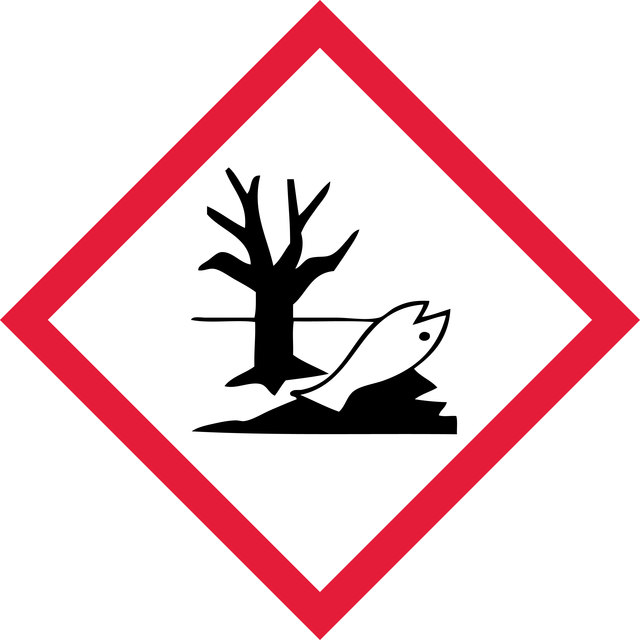
signalword
Danger
Hazard Classifications
Acute Tox. 2 Inhalation - Acute Tox. 3 Dermal - Acute Tox. 3 Oral - Aquatic Acute 1 - Aquatic Chronic 1 - Eye Irrit. 2 - Skin Sens. 1B - STOT RE 2 Oral
target_organs
Endocrine system
Storage Class
6.1A - Combustible acute toxic Cat. 1 and 2 / very toxic hazardous materials
wgk
WGK 2
flash_point_f
244.4 °F - closed cup
flash_point_c
118 °C - closed cup
ppe
Eyeshields, Faceshields, Gloves, type ABEK (EN14387) respirator filter
Regulatory Information
This item has
Choose from one of the most recent versions:
Already Own This Product?
Find documentation for the products that you have recently purchased in the Document Library.
Global Trade Item Number
| SKU | GTIN |
|---|---|
| C22407-100G | 04061833475430 |
| C22407-500G | 04061833475447 |
| C22407-5G | 04061833475454 |