
H7408

Hexadecylamine
technical grade, 90%
Synonym(s):
1-Aminohexadecane, Cetylamine, HAD
Sign In to View Organizational & Contract Pricing.
Select a Size
Change View
About This Item
Linear Formula:
CH3(CH2)15NH2
CAS Number:
Molecular Weight:
241.46
UNSPSC Code:
12352100
NACRES:
NA.22
PubChem Substance ID:
EC Number:
205-596-8
Beilstein/REAXYS Number:
1634065
MDL number:
Assay:
90%
grade
technical grade
Quality Level
vapor pressure
<1 mmHg ( 20 °C)
assay
90%
bp
330 °C (lit.)
mp
43-45 °C (lit.)
SMILES string
CCCCCCCCCCCCCCCCN
InChI
1S/C16H35N/c1-2-3-4-5-6-7-8-9-10-11-12-13-14-15-16-17/h2-17H2,1H3
InChI key
FJLUATLTXUNBOT-UHFFFAOYSA-N
General description
Hexadecylamine, also known as cetylamine, is commonly used in amidation reactions to introduce amide functional groups. It serves as a key building block for surfactants and plays a significant role in catalysis and ligand synthesis.Additionally, hexadecylamine is employed to modify functional groups in various organic compounds.
Application
- Interfacial structuring of liquids: Hexadecylamine is explored for its role in the solvent-assisted interfacial association of oppositely charged polyelectrolytes and amphiphiles, offering potential advancements in the structuring of liquids for various industrial and scientific applications (Bak et al., 2023).
- Efficient light-to-thermal conversion: Additionally, hexadecylamine is used in ZnO nanorods loading with fatty amine as composite phase change materials (PCMs) device, enhancing light-to-thermal and electro-to-thermal energy conversion, applicable in energy storage technologies (Cao et al., 2023).
Still not finding the right product?
Explore all of our products under Hexadecylamine
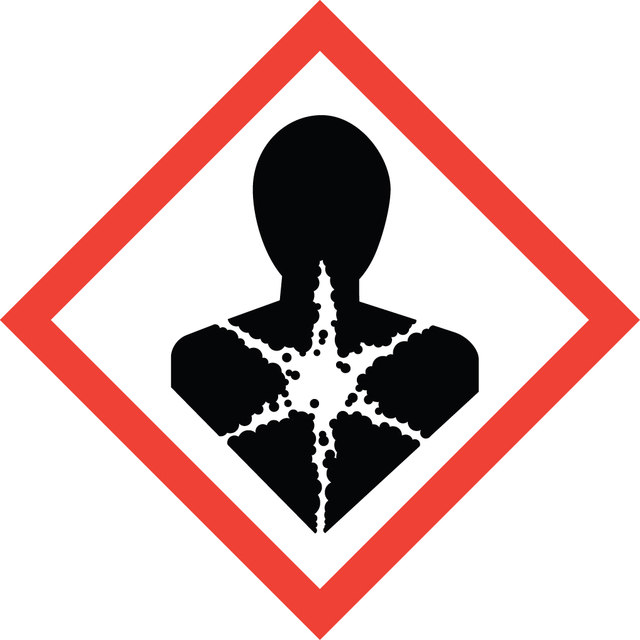
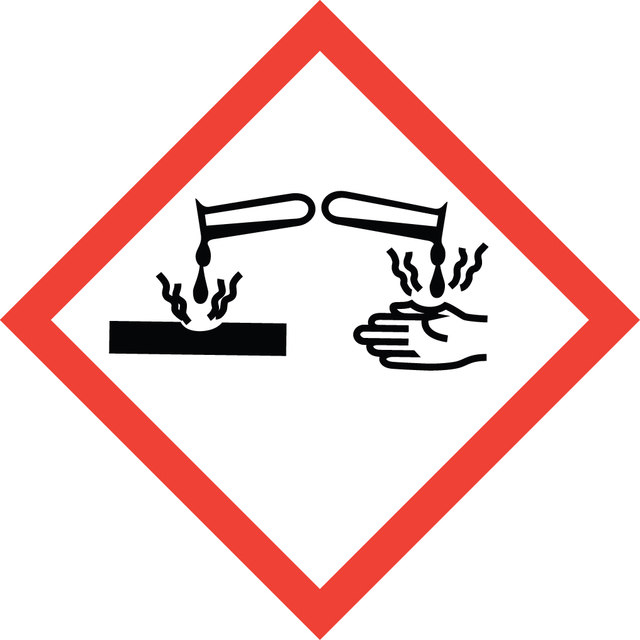
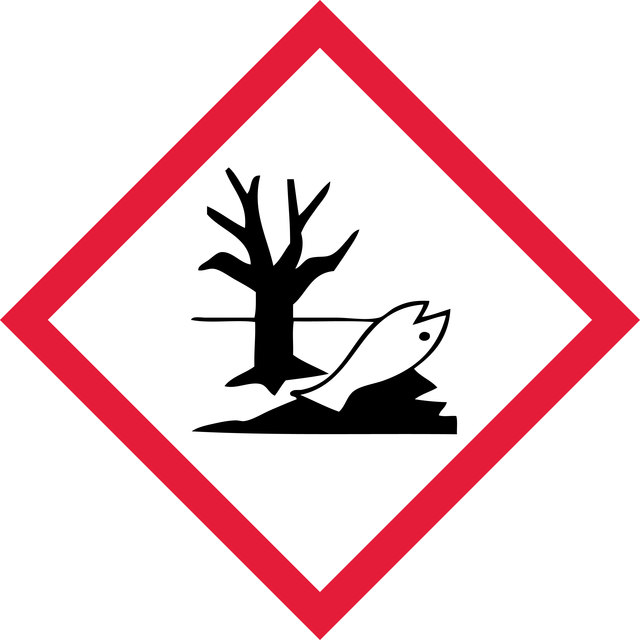
signalword
Danger
hcodes
Hazard Classifications
Aquatic Acute 1 - Aquatic Chronic 1 - Asp. Tox. 1 - Eye Dam. 1 - Skin Corr. 1A - STOT RE 2
target_organs
Gastrointestinal tract,Liver,Immune system
Storage Class
8A - Combustible corrosive hazardous materials
wgk
WGK 3
flash_point_f
285.8 °F - closed cup
flash_point_c
141 °C - closed cup
ppe
Eyeshields, Faceshields, Gloves, type P3 (EN 143) respirator cartridges
Choose from one of the most recent versions:
Already Own This Product?
Find documentation for the products that you have recently purchased in the Document Library.
Juan Antonio Cecilia et al.
Materials (Basel, Switzerland), 11(9) (2018-09-12)
Vanadium oxide (V₂O₅) species has been supported on different porous clay heterostructures (with silica pillars, silica-zirconia with a molar ratio Si/Zr = 5 and silica-titania with a molar ratio Si/Ti = 5) by wetness incipient method. All catalysts were characterized
Mingshang Jin et al.
ACS nano, 6(3), 2566-2573 (2012-02-07)
Here we report the synthesis of Pd@Cu core-shell nanocubes via epitaxial growth, where the lattice mismatch is 7.1%. The synthesis involved the use of Pd seeds with different shapes (including cubes, cuboctahedra, and octahedra) for the epitaxial growth of Cu
Shikibu Muranaka et al.
Antioxidants & redox signaling, 7(9-10), 1367-1376 (2005-08-24)
It has been widely believed that undifferentiated human promyelocytic leukemia cells (HL-60) have no ability to generate reactive oxygen species (ROS) responding to stimuli. We report here that undifferentiated HL-60 cells possess NADPH oxidase and that generation of superoxide can
Global Trade Item Number
| SKU | GTIN |
|---|---|
| H7408-100G | 04061833803776 |
| H7408-500G | 04061833803783 |