
V3204

4-Vinylpyridine
contains 100 ppm hydroquinone as inhibitor, 95%
Synonym(s):
4-Ethenylpyridine Pyridine
Select a Size
About This Item
Quality Level
assay
95%
contains
100 ppm hydroquinone as inhibitor
refractive index
n20/D 1.549 (lit.)
bp
62-65 °C/15 mmHg (lit.)
density
0.975 g/mL at 25 °C (lit.)
storage temp.
−20°C
SMILES string
C=Cc1ccncc1
InChI
1S/C7H7N/c1-2-7-3-5-8-6-4-7/h2-6H,1H2
InChI key
KFDVPJUYSDEJTH-UHFFFAOYSA-N
General description
Application
- In the synthesis or modification of polymers for drug-releasing contact lenses.
- In the preparation of the zwitterionic polymer, namely poly(4-vinylpyridine propylsulfobetaine). The zwitterionic polymer is utilized for its superior bioinert capability in withstanding clinical sterilization processes, making it suitable for extended medical applications which include the development of biocompatible implants and as a coating material for medical devices.
- To synthesize the temperature and pH-sensitive copolymer, specifically (N-vinylcaprolactam-co-4-vinylpyridine), which is used in drug delivery systems under certain environmental conditions.
- The highly charged p(4-vinylpyridine-co-vinylimidazole) particles, which find applications in various fields such as biomedical, catalysis, and environmental applications.



signalword
Danger
Hazard Classifications
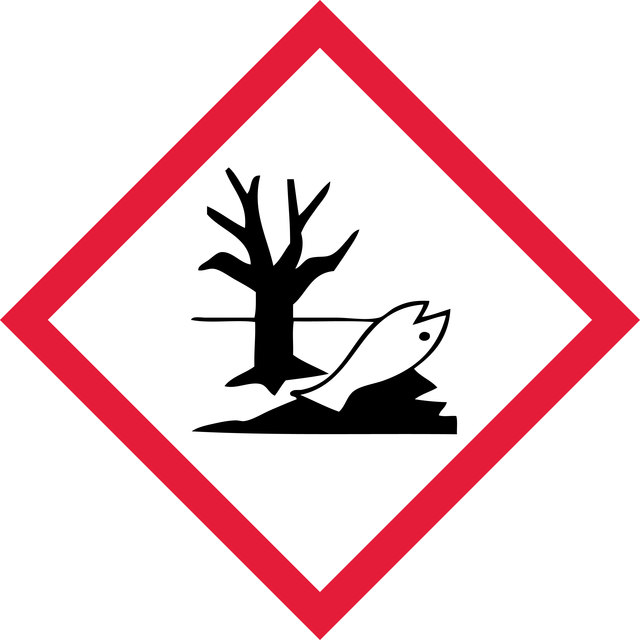
Acute Tox. 3 Dermal - Acute Tox. 3 Inhalation - Acute Tox. 3 Oral - Aquatic Chronic 2 - Eye Dam. 1 - Flam. Liq. 3 - Skin Corr. 1B - Skin Sens. 1
Storage Class
3 - Flammable liquids
wgk
WGK 3
flash_point_f
125.0 °F - closed cup
flash_point_c
51.67 °C - closed cup
ppe
Faceshields, Gloves, Goggles, type ABEK (EN14387) respirator filter
Regulatory Information
This item has
Choose from one of the most recent versions:
Already Own This Product?
Find documentation for the products that you have recently purchased in the Document Library.
Articles
ATRP is a successful method for precise polymer synthesis with controlled molecular weights and high chain end functionalities.
Related Content
Global Trade Item Number
| SKU | GTIN |
|---|---|
| V3204-100ML | 04061837480812 |
| V3204-500ML | 04061837480829 |
| V3204-5ML | 04061837480836 |