
W241811

Ethyl acrylate
≥99.5%, stabilized
Synonym(s):
Acrylic acid ethyl ester, Ethyl 2-propenoate
Select a Size
About This Item
biological source
synthetic
Quality Level
grade
Kosher
reg. compliance
FDA 21 CFR 117
vapor density
3.5 (vs air)
vapor pressure
31 mmHg ( 20 °C)
assay
≥99.5%
form
liquid
autoignition temp.
721 °F
contains
10-30 ppm MEHQ as stabilizer (synthetic)
expl. lim.
12.1 %
refractive index
n20/D 1.406 (lit.)
bp
99 °C (lit.)
mp
−71 °C (lit.)
density
0.918 g/mL at 25 °C (lit.)
application(s)
flavors and fragrances
documentation
see Safety & Documentation for available documents
food allergen
no known allergens
organoleptic
plastic
SMILES string
CCOC(=O)C=C
InChI
1S/C5H8O2/c1-3-5(6)7-4-2/h3H,1,4H2,2H3
InChI key
JIGUQPWFLRLWPJ-UHFFFAOYSA-N
General description
Application
- Refractive index adjustable intraocular lens design to achieve diopter control for improving the treatment of ametropia after cataract surgery.: This study involves the use of ethyl acrylate in developing intraocular lenses with adjustable refractive indices, which aims to improve visual outcomes in patients undergoing cataract surgery by providing customizable diopter control (Hong et al., 2024).
Disclaimer
Still not finding the right product?
Explore all of our products under Ethyl acrylate
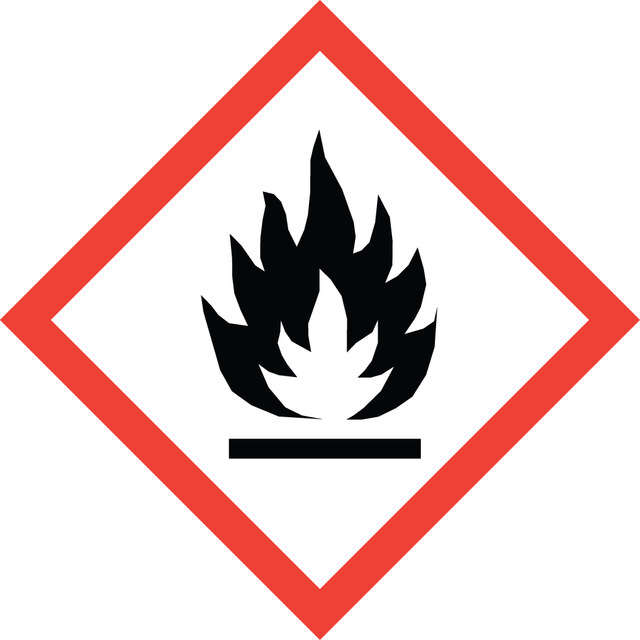
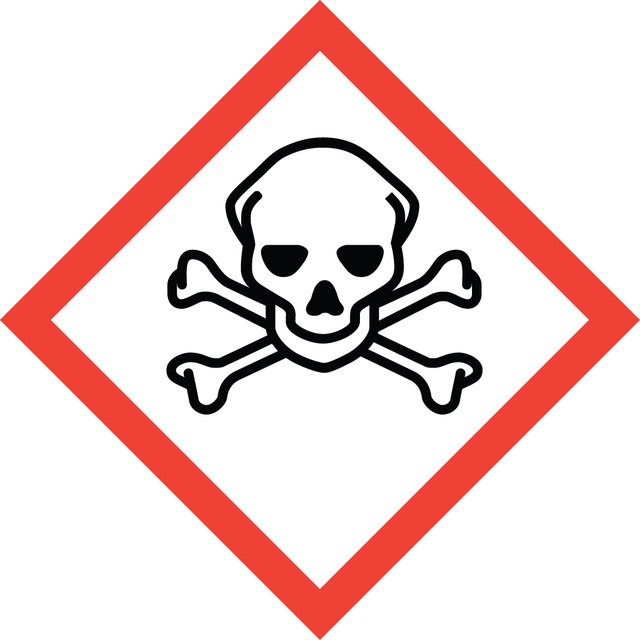
signalword
Danger
Hazard Classifications
Acute Tox. 3 Inhalation - Acute Tox. 4 Dermal - Acute Tox. 4 Oral - Aquatic Chronic 3 - Eye Irrit. 2 - Flam. Liq. 2 - Skin Irrit. 2 - Skin Sens. 1 - STOT SE 3
target_organs
Respiratory system
Storage Class
3 - Flammable liquids
wgk
WGK 2
flash_point_f
48.2 °F - closed cup
flash_point_c
9 °C - closed cup
Regulatory Information
This item has
Choose from one of the most recent versions:
Already Own This Product?
Find documentation for the products that you have recently purchased in the Document Library.