
Select a Size
About This Item
Product Name
N-Bromosuccinimide, for synthesis
vapor pressure
14.8 hPa ( 20 °C)
form
powder
potency
>2000 mg/kg LD50, oral (Rat)
reaction suitability
reagent type: oxidant
mp
174-179 °C
solubility
14.8 g/L (decomposition)
density
2.1 g/cm3 at 20 °C
bulk density
750 kg/m3
storage temp.
2-8°C
SMILES string
BrN1C(=O)CCC1=O
InChI
1S/C4H4BrNO2/c5-6-3(7)1-2-4(6)8/h1-2H2
InChI key
PCLIMKBDDGJMGD-UHFFFAOYSA-N
Application
- Mechanistic study on iodine-catalyzed aromatic bromination of aryl ethers by N-bromosuccinimide: This study explores the roles of NBS in organic synthesis, particularly in radical and electrophilic substitutions (Pramanick et al., 2017).
- One‐Pot Protocol for the Synthesis of Imidazoles and Quinoxalines using N‐Bromosuccinimide: This paper reports a green, efficient synthesis of heterocycles mediated by NBS (Pardeshi et al., 2017).
- N-Bromosuccinimide as an Interfacial Alleviator for Br/I Exchange in Perovskite for Solar Cell Fabrication: This research demonstrates the use of NBS in improving the crystallization and defect passivation in perovskite solar cells (Pegu et al., 2021).
- N‐Bromosuccinimide‐Mediated Radical Cyclization of 3‐Arylallyl Azides: Synthesis of 3‐Substituted Quinolines: Discusses the application of NBS under visible light irradiation to synthesize quinolines (Wang et al., 2015).
- N-Bromosuccinimide mediated synthesis of triazatruxenes from indoles: This study highlights the cyclotrimerization of indoles using NBS, demonstrating its utility as a reagent in complex organic transformations (Toworakajohnkun et al., 2017).
Analysis Note
Identity (IR): passes test
Still not finding the right product?
Explore all of our products under N-Bromosuccinimide
signalword
Warning
Hazard Classifications
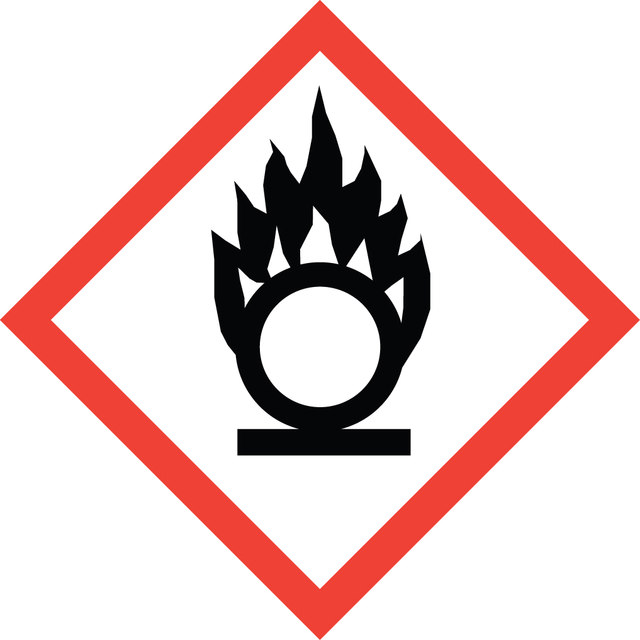
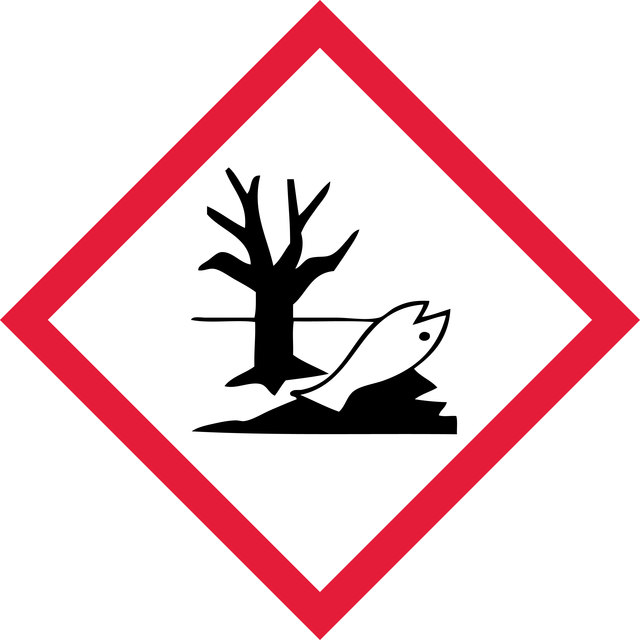
Aquatic Acute 1 - Eye Irrit. 2 - Met. Corr. 1 - Muta. 2 - Ox. Sol. 3 - Skin Irrit. 2 - Skin Sens. 1B
Storage Class
5.1B - Oxidizing hazardous materials
wgk
WGK 3
flash_point_f
Not applicable
flash_point_c
Not applicable



Certificates of Analysis (COA)
Search for Certificates of Analysis (COA) by entering the products Lot/Batch Number. Lot and Batch Numbers can be found on a product’s label following the words ‘Lot’ or ‘Batch’.
Already Own This Product?
Find documentation for the products that you have recently purchased in the Document Library.
Global Trade Item Number
| SKU | GTIN |
|---|---|
| 8019490005 | 04022536371153 |
| 8019490250 | 04022536371160 |
| 8019491000 | 04022536371177 |
| 8019499025 | 04022536371184 |