
Sign In to View Organizational & Contract Pricing.
Select a Size
Change View
About This Item
Empirical Formula (Hill Notation):
C15H10O7 · 2H2O
CAS Number:
Molecular Weight:
338.27
EC Number:
204-187-1
UNSPSC Code:
85151701
NACRES:
NA.24
Colour Index Number:
75670
Beilstein/REAXYS Number:
317313
grade
primary reference standard
form
powder
shelf life
limited shelf life, expiry date on the label
manufacturer/tradename
HWI
technique(s)
HPLC: suitable, gas chromatography (GC): suitable
mp
>300 °C (lit.)
SMILES string
OC(C(O)=C1)=CC=C1C2=C(O)C(C3=C(O)C=C(O)C=C3O2)=O
InChI
1S/C15H10O7.2H2O/c16-7-4-10(19)12-11(5-7)22-15(14(21)13(12)20)6-1-2-8(17)9(18)3-6;;/h1-5,16-19,21H;2*1H2
InChI key
GMGIWEZSKCNYSW-UHFFFAOYSA-N
General description
Produced and qualified by HWI pharma services GmbH.
Exact content by quantitative NMR can be found on the certificate.
Exact content by quantitative NMR can be found on the certificate.
Application
Reference standard in the analysis of herbal medicinal products.
Biochem/physiol Actions
Quercetin dihydrate is a flavonoid with anticancer activity.
Quercetin dihydrate is a flavonoid with anticancer activity. Quercetin is a mitochondrial ATPase and phosphodiesterase inhibitor. It Inhibits PI3-kinase activity and slightly inhibits PIP kinase activity. Quercetin has antiproliferative effects on cancer cell lines, reduces cancer cell growth via type II estrogen receptors, and arrests human leukemic T cells in late G1 phase of the cell cycle.
Other Notes
This compound is commonly found in plants of the genus: allium angelica arnica carum echinacea eucalyptus ginkgo glycyrrhiza lycium pimpinella primula sambucus silybum
Still not finding the right product?
Explore all of our products under Quercetin dihydrate
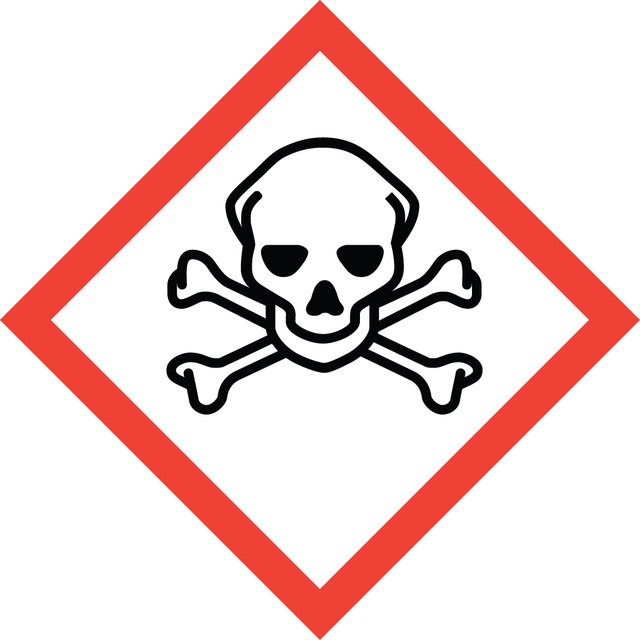
signalword
Danger
Storage Class
6.1C - Combustible acute toxic Cat.3 / toxic compounds or compounds which causing chronic effects
wgk
WGK 1
hcodes
Hazard Classifications
Acute Tox. 3 Oral - Eye Irrit. 2 - Skin Irrit. 2
Choose from one of the most recent versions:
Already Own This Product?
Find documentation for the products that you have recently purchased in the Document Library.
Tomohiko Matsuo et al.
Proceedings of the National Academy of Sciences of the United States of America, 112(3), E311-E320 (2015-01-08)
Most mammals have two major olfactory subsystems: the main olfactory system (MOS) and vomeronasal system (VNS). It is now widely accepted that the range of pheromones that control social behaviors are processed by both the VNS and the MOS. However
Nada Oršolić et al.
European journal of nutrition, 53(5), 1217-1227 (2013-11-26)
Reactive oxygen species play a role in a number of degenerative conditions including osteoporosis. Flavonoids as phyto-oestrogens exert physiological effects against oxidative stress diseases. We developed a retinoic acid-induced bone loss model of rats to assess whether flavonoids and alendronate
Sameha Merzoug et al.
Naunyn-Schmiedeberg's archives of pharmacology, 387(10), 921-933 (2014-06-21)
This study was designed to evaluate the effect of quercetin, a natural flavonoid, on behavioral alterations, brain oxidative stress, and immune dysregulation caused by a chemotherapeutic agent, Adriamycin (ADR; 7 mg/kg of body weight). Different subsets of male Wistar rats were
Global Trade Item Number
| SKU | GTIN |
|---|---|
| 00200595-50MG | 04061838602411 |