Skip to Content
Merck
CN

06931

Pyrogallol

analytical standard

Synonym(s):

1,2,3-Trihydroxybenzene, 2,3-Dihydroxyphenol, Pyrogallic acid

Sign In to View Organizational & Contract Pricing.

Select a Size

Change View

About This Item

Linear Formula:
C6H3(OH)3
CAS Number:
Molecular Weight:
126.11
UNSPSC Code:
85151701
NACRES:
NA.24
PubChem Substance ID:
EC Number:
201-762-9
Beilstein/REAXYS Number:
907431
MDL number:
Technical Service
Need help? Our team of experienced scientists is here for you.
Let Us Assist


grade

analytical standard

Quality Level

vapor density

4.4 (vs air)

vapor pressure

10 mmHg ( 167.7 °C)

assay

≥98.0% (HPLC)

shelf life

limited shelf life, expiry date on the label

technique(s)

HPLC: suitable, gas chromatography (GC): suitable

impurities

≤0.5% water

bp

309 °C (lit.)

mp

132-134 °C, 133-134 °C (lit.)

application(s)

cleaning products
cosmetics
food and beverages
personal care

format

neat

storage temp.

2-8°C

SMILES string

Oc1cccc(O)c1O

InChI

1S/C6H6O3/c7-4-2-1-3-5(8)6(4)9/h1-3,7-9H

InChI key

WQGWDDDVZFFDIG-UHFFFAOYSA-N

General description

Pyrogallol is a phenolic allelochemical, a catechin compound with a defensive mode of action against invading microbes. It is an active component of Emblica officinalis extracts with an anti-proliferative effect on non-small cell lung cancer (NSCLC). Pyrogallol is also reported to be algicidal and is known to inhibit the growth of harmful cyanobacteria/algae.

Application

Pyrogallol may be used as an analytical standard for the determination of the analyte in biological matrices by gas chromatography/mass spectrometry (GC/MS) and in beverages by flow-injection chemiluminescent method.

Packaging

Bottomless glass bottle. Contents are inside inserted fused cone.

Other Notes

Find a digital Reference Material for this product available on our online platform ChemisTwin® for NMR. You can use this digital equivalent on ChemisTwin® for your sample identity confirmation and compound quantification (with digital external standard). An NMR spectrum of this substance can be viewed and an online comparison against your sample can be performed with a few mouseclicks. Learn more here and start your free trial.


Still not finding the right product?

Explore all of our products under Pyrogallol
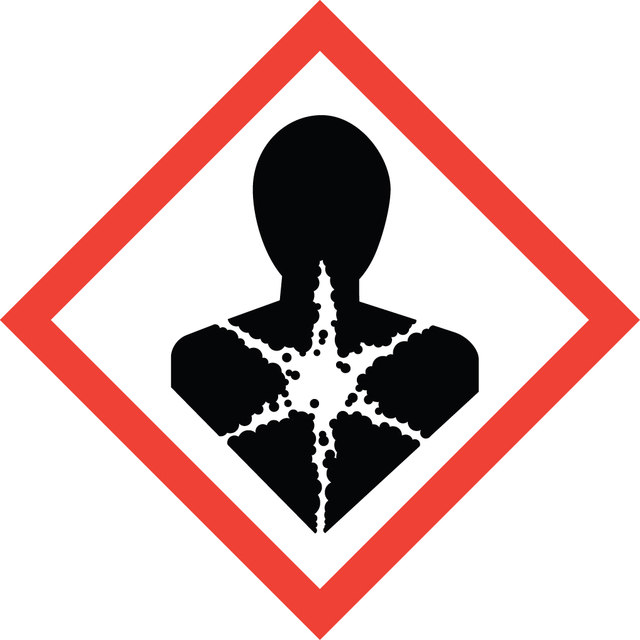

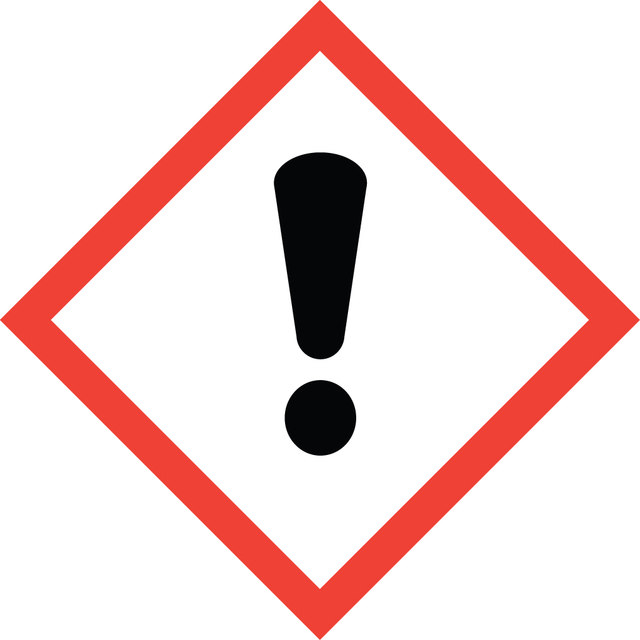
pictograms

Health hazardExclamation mark

signalword

Warning

Hazard Classifications

Acute Tox. 4 Dermal - Acute Tox. 4 Inhalation - Acute Tox. 4 Oral - Aquatic Chronic 3 - Muta. 2

Storage Class

13 - Non Combustible Solids

wgk

WGK 2

flash_point_f

Not applicable

flash_point_c

Not applicable


Choose from one of the most recent versions:

Certificates of Analysis (COA)

Lot/Batch Number

Don't see the Right Version?

If you require a particular version, you can look up a specific certificate by the Lot or Batch number.

Already Own This Product?

Find documentation for the products that you have recently purchased in the Document Library.

Visit the Document Library


GC/MS determination of pyrogallol and gallic acid in biological matrices as diagnostic indicators of oak exposure
Tor ER, et al.
Journal of Agricultural and Food Chemistry, 44(5), 1275-1279 (1996)
Allelopathic mechanism of pyrogallol to Microcystis aeruginosa PCC7806 (Cyanobacteria): from views of gene expression and antioxidant system
Shao J, et al.
Chemosphere, 75(7), 924-928 (2009)
Adelaide U P Hain et al.
Journal of structural biology, 180(3), 551-562 (2012-09-18)
The autophagy-related proteins are thought to serve multiple functions in Plasmodium and are considered essential to parasite survival and development. We have studied two key interacting proteins, Atg8 and Atg3, of the autophagy pathway in Plasmodium falciparum. These proteins are


Global Trade Item Number

SKUGTIN
06931-50MG04061838647146