
104043

N-Phenyl-1-naphthylamine
reagent grade, 98%
Synonym(s):
1-(N-phenylamino)naphthalene, N-(1-Naphthyl)aniline, NPN
Sign In to View Organizational & Contract Pricing.
Select a Size
Change View
About This Item
Linear Formula:
C10H7NHC6H5
CAS Number:
Molecular Weight:
219.28
UNSPSC Code:
12352100
NACRES:
NA.22
PubChem Substance ID:
EC Number:
201-983-0
Beilstein/REAXYS Number:
2211174
MDL number:
Assay:
98%
Form:
solid
grade
reagent grade
Quality Level
assay
98%
form
solid
bp
226 °C/15 mmHg (lit.)
mp
60-62 °C (lit.)
λmax
252 nm
SMILES string
N(c1ccccc1)c2cccc3ccccc23
InChI
1S/C16H13N/c1-2-9-14(10-3-1)17-16-12-6-8-13-7-4-5-11-15(13)16/h1-12,17H
InChI key
XQVWYOYUZDUNRW-UHFFFAOYSA-N
Application
N-Phenyl-1-naphthylamine can be used as fluorescent probe for the determination of critical micelle concentration of surfactants. N-Phenyl-1-naphthylamine was used in a method for determination of the concentration of organolithium and organomagnesium reagents. N-Phenyl-1-naphthylamine was used as hydrophobic probe to study the phase transitions of membrane lipids in whole cells .
Biochem/physiol Actions
N-Phenyl-1-naphthylamine turns fluorescent after binding to hydrophobic regions of cell membranes.
Still not finding the right product?
Explore all of our products under N-Phenyl-1-naphthylamine
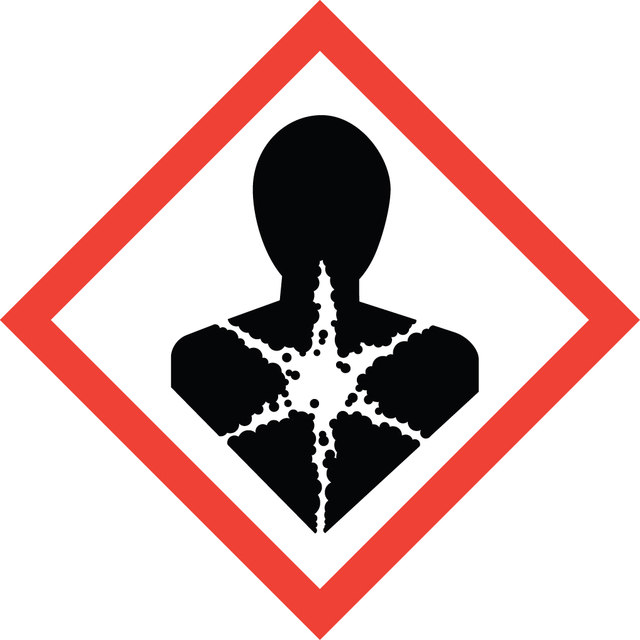
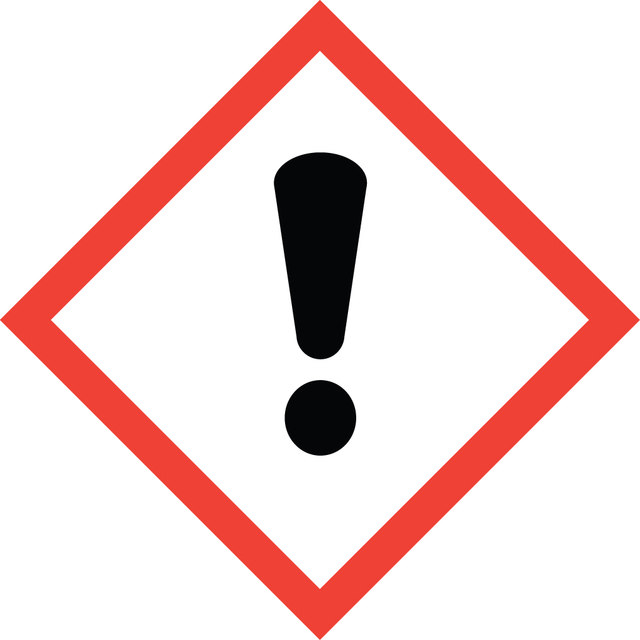
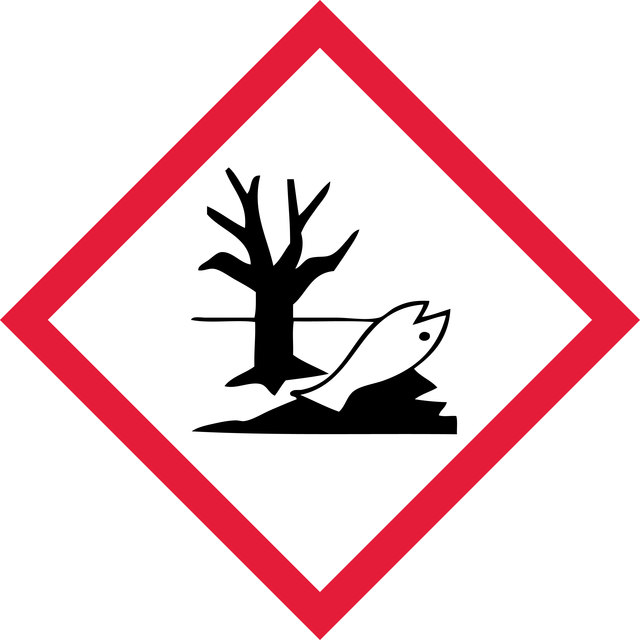
signalword
Warning
hcodes
Hazard Classifications
Acute Tox. 4 Oral - Aquatic Acute 1 - Aquatic Chronic 1 - Skin Sens. 1B - STOT RE 2
target_organs
Blood
Storage Class
11 - Combustible Solids
wgk
WGK 2
ppe
dust mask type N95 (US), Eyeshields, Gloves
Choose from one of the most recent versions:
Already Own This Product?
Find documentation for the products that you have recently purchased in the Document Library.
Xiaoyan Ning et al.
International journal of molecular sciences, 19(2) (2018-02-01)
Glucose oxidase (GOD, EC.1.1.3.4) specifically catalyzes the reaction of β-d-glucose to gluconic acid and hydrogen peroxide in the presence of oxygen, which has become widely used in the food industry, gluconic acid production and the feed industry. However, the poor
Determination of the critical micelle concentration of surfactants using the fluorescent probe N-phenyl-1-naphthylamine.
Bergbreiter DE and Pendergrass E.
The Journal of Organic Chemistry, 46(1), 219-220 (1981)
G M Halliday et al.
Journal of immunological methods, 28(3-4), 381-390 (1979-01-01)
N-phenyl-1-naphthylamine (NPN) becomes fluorescent after binding to hydrophobic regions of cell membranes. Rat and mouse lymphoid cell suspensions stained with NPN showed changes in fluorescence emission 30 min after stimulation with mitogen or antigen, detected by microfluorimetry. Incubation of NPN-labelled
Global Trade Item Number
| SKU | GTIN |
|---|---|
| 104043-500G | 04061838671134 |