
235989

Brij® L4
average Mn ~362
Synonym(s):
Polyethylene glycol dodecyl ether, Polyoxyethylene (4) lauryl ether
Sign In to View Organizational & Contract Pricing.
Select a Size
Change View
About This Item
Linear Formula:
(C20H42O5)n
CAS Number:
NACRES:
NA.21
PubChem Substance ID:
UNSPSC Code:
12161900
MDL number:
description
non-ionic
Quality Level
form
solid or liquid
mol wt
average Mn ~362
impurities
≤1% Water
refractive index
n20/D 1.451 (lit.)
mp
48 °C
solubility
water: insoluble
density
0.95 g/mL at 25 °C (lit.)
HLB
9
SMILES string
CCCCCCCCCCCCOCCOCCOCCOCCO
InChI
1S/C20H42O5/c1-2-3-4-5-6-7-8-9-10-11-13-22-15-17-24-19-20-25-18-16-23-14-12-21/h21H,2-20H2,1H3
InChI key
WPMWEFXCIYCJSA-UHFFFAOYSA-N
General description
Brij® L4 is a non-ionic surfactant. It comprises an alkyl (C12) tail attached to an oxyethylene headgroup.
Application
Brij® L4 has been used:
- as a surfactant for the synthesis of copper(I) oxide (Cu2O) spherical nanoparticles using a microemulsion technique
- as a non-ionic surfactant for preparing reverse micelles to synthesize Pt3Co alloy nanoparticles
- as a surfactant to enhance the efficiency of interfacial coupling of hydrophobic materials and to make hydrogel
Biochem/physiol Actions
Brij® L4 exhibits amphiphilic properties. Brij L4 contains hydrophobic and hydrophilic regions that can form micelles and disperse hydrophobic drugs into the core of micelles. This in turn enhances drug solubility. Brij L4 also elicits a strong inhibitory effect against breast cancer resistance protein (BCRP) mediated drug efflux. It inhibits Taq adsorption better when compared to other commonly used surfactants. Brij L4 supports droplet polymerase chain reaction (PCR) in picoliter reaction volumes at standard Taq concentrations.
Legal Information
Brij is a registered trademark of Croda International PLC
Still not finding the right product?
Explore all of our products under Brij® L4
signalword
Warning
Storage Class
10 - Combustible liquids
wgk
WGK 2
flash_point_f
Not applicable
flash_point_c
Not applicable
ppe
dust mask type N95 (US), Eyeshields, Gloves
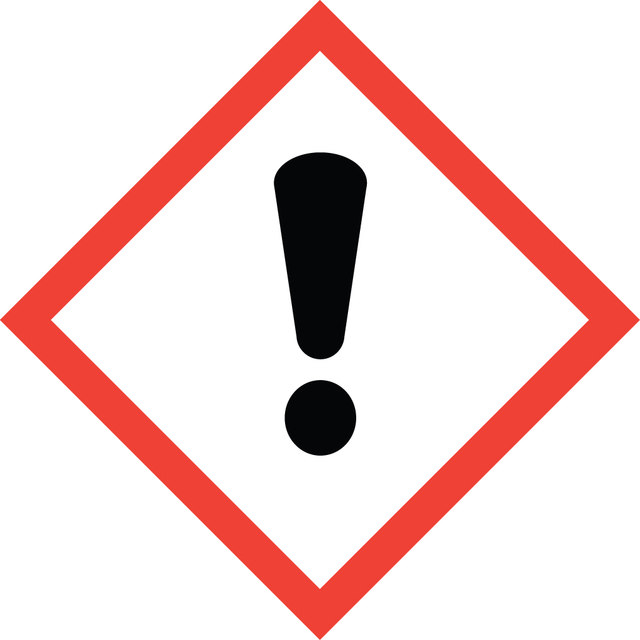
hcodes
Hazard Classifications
Acute Tox. 4 Oral - Aquatic Chronic 3 - Eye Irrit. 2
Choose from one of the most recent versions:
Already Own This Product?
Find documentation for the products that you have recently purchased in the Document Library.
Darío Morais et al.
Rhinology, 50(1), 80-86 (2012-04-04)
Hereditary Haemorrhagic Telangiectasia or Rendu-Osler-Weber syndrome is a rare autosomal dominant vascular disease characterized by mucocutaneous and gastrointestinal telangiectases and localized arteriovenous malformations in lung, brain and liver. Epistaxis, due to rupture of telangiectases of the nasal mucosa, is the
N Shadid et al.
The British journal of surgery, 99(8), 1062-1070 (2012-05-26)
New minimally invasive treatment modalities, such as ultrasound-guided foam sclerotherapy (UGFS), are becoming more popular. In a multicentre randomized controlled non-inferiority trial, the effectiveness and costs of UGFS and surgery for treatment of the incompetent great saphenous vein (GSV) were
B McAree et al.
European journal of vascular and endovascular surgery : the official journal of the European Society for Vascular Surgery, 43(6), 721-725 (2012-04-18)
To compare the half-life of STD and polidocanol air-based foams and the damage they inflict upon human great saphenous vein in an in-vitro model. The time for the volume of 3% STD and polidocanol foams to reduce by 10% (T(90))
Global Trade Item Number
| SKU | GTIN |
|---|---|
| 235989-100ML | 04061838785398 |
| 235989-1L | 04061838785404 |
| 235989-250ML | 04061838785411 |
| 235989-5ML | 04061837595141 |