Sign In to View Organizational & Contract Pricing.
Select a Size
Change View
About This Item
Empirical Formula (Hill Notation):
C14H12ClNO2
CAS Number:
Molecular Weight:
261.70
NACRES:
NA.24
PubChem Substance ID:
UNSPSC Code:
41116107
EC Number:
237-264-3
MDL number:
grade
analytical standard
Quality Level
product line
VETRANAL®
shelf life
limited shelf life, expiry date on the label
technique(s)
HPLC: suitable, gas chromatography (GC): suitable
application(s)
forensics and toxicology
pharmaceutical (small molecule)
format
neat
SMILES string
Cc1c(Cl)cccc1Nc2ccccc2C(O)=O
InChI
1S/C14H12ClNO2/c1-9-11(15)6-4-8-12(9)16-13-7-3-2-5-10(13)14(17)18/h2-8,16H,1H3,(H,17,18)
InChI key
YEZNLOUZAIOMLT-UHFFFAOYSA-N
Application
Commission Regulation (EU) No 37/2010 of 22 December 2009 on pharmacologically active substances and their classification regarding maximum residue limits in foodstuffs of animal origin
Refer to the product′s Certificate of Analysis for more information on a suitable instrument technique. Contact Technical Service for further support.
Biochem/physiol Actions
Non-steroidal anti-inflammatory agent. Interferes with synthesis of β-amyloid precursor protein, and thus Aβ peptides, by promoting degradation of an essential transcription factor.
Legal Information
VETRANAL is a registered trademark of Merck KGaA, Darmstadt, Germany
Still not finding the right product?
Explore all of our products under Tolfenamic acid
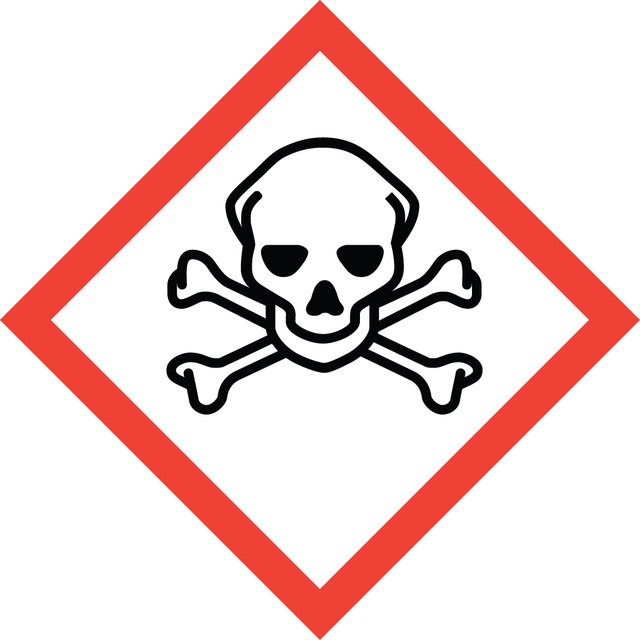
signalword
Danger
hcodes
Hazard Classifications
Acute Tox. 3 Oral
Storage Class
6.1C - Combustible acute toxic Cat.3 / toxic compounds or compounds which causing chronic effects
wgk
WGK 3
flash_point_f
Not applicable
flash_point_c
Not applicable
ppe
dust mask type N95 (US), Eyeshields, Faceshields, Gloves
Choose from one of the most recent versions:
Already Own This Product?
Find documentation for the products that you have recently purchased in the Document Library.
Don Eslin et al.
Molecular carcinogenesis, 52(5), 377-386 (2012-01-04)
Current therapeutic options for recurrent neuroblastoma have poor outcomes that warrant the development of novel therapeutic strategies. Specificity protein (Sp) transcription factors regulate several genes involved in cell proliferation, survival, and angiogenesis. Sp1 regulates genes believed to be important determinants
Riyaz Basha et al.
Gynecologic oncology, 122(1), 163-170 (2011-04-19)
The aberrant expression of hepatocyte growth factor and its receptor c-Met are associated with aggressive disease and poor prognosis in a variety of human malignancies including ovarian cancer (OC). Specificity protein (Sp) transcription factors have high relevance in the signaling
Sung Un Kang et al.
PloS one, 7(4), e34988-e34988 (2012-04-27)
Nonsteroidal anti-inflammatory drug-activated gene-1 (NAG-1) is induced by nonsteroidal anti-inflammatory drugs and possesses proapoptotic and antitumorigenic activities. Although tolfenamic acid (TA) induces apoptosis in head and neck cancer cells, the relationship between NAG-1 and TA has not been determined. This
Global Trade Item Number
| SKU | GTIN |
|---|---|
| 34073-100MG | 04061826753286 |
