
426288

Tetrabutylammonium bromide

ACS reagent grade, ≥98.0%, solid
Synonym(s):
N,N,N-tributyl-1-butanaminium bromide, TBAB, TBABr, tetra-n-butylammonium bromide
Select a Size
About This Item
Product Name
Tetrabutylammonium bromide, ACS reagent, ≥98.0%
grade
ACS reagent
Quality Level
assay
≥98.0%
form
solid
reaction suitability
core: ammonium
greener alternative product characteristics
Catalysis
Learn more about the Principles of Green Chemistry.
sustainability
Greener Alternative Product
impurities
≤0.5% tributylamine hydrobromide, ≤0.5% tributylamine
mp
102-106 °C (lit.)
functional group
amine
greener alternative category
SMILES string
[Br-].CCCC[N+](CCCC)(CCCC)CCCC
InChI
1S/C16H36N.BrH/c1-5-9-13-17(14-10-6-2,15-11-7-3)16-12-8-4;/h5-16H2,1-4H3;1H/q+1;/p-1
InChI key
JRMUNVKIHCOMHV-UHFFFAOYSA-M
General description
Application
- Synthesis of (2S)-5-(3-phenyl-2-phthalimidylpropanoylamino)isophthalic acid.
- Synthesis of alkyl-substituted pyrroles in the absence of catalyst and organic solvent.
- Synthesis of dithioacetals from acetals by transthioacetalisation in a solvent free environment.
- Synthesis of polyamides (PAs) by the polymerization of terephthalic acid and diisocyanates.
- Catalyze the addition of thiols to conjugated alkenes.
- Dehydrochlorination of poly(vinyl chloride).
Process for Producing Halogenated Heteroaryl Compounds
Still not finding the right product?
Explore all of our products under Tetrabutylammonium bromide
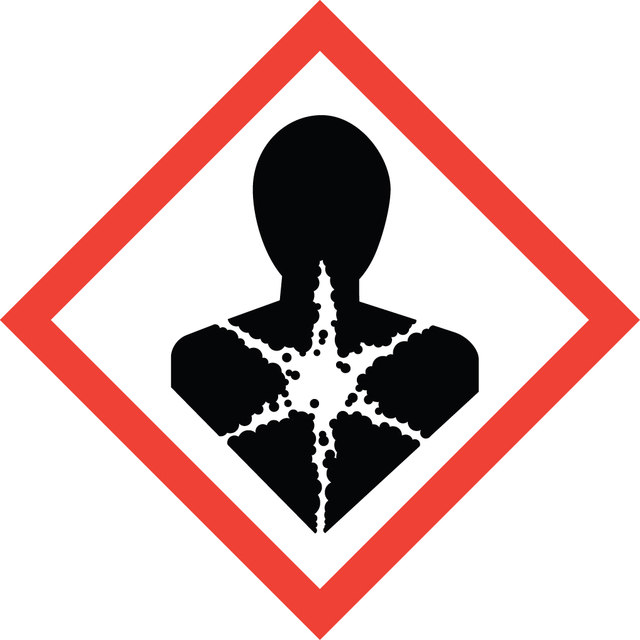

signalword
Warning
Hazard Classifications
Acute Tox. 4 Oral - Aquatic Chronic 3 - Eye Irrit. 2 - Repr. 2 - Skin Irrit. 2
Storage Class
11 - Combustible Solids
wgk
WGK 3
ppe
dust mask type N95 (US), Eyeshields, Gloves
Choose from one of the most recent versions:
Already Own This Product?
Find documentation for the products that you have recently purchased in the Document Library.
Global Trade Item Number
| SKU | GTIN |
|---|---|
| 426288-2.5KG | 04065273542844 |
| 426288-25G | 04061832104188 |
| 426288-100G | 04061835555130 |
| 426288-500G | 04065273542851 |