Skip to Content
Merck
CN

51788

Aniline

analytical standard

Sign In to View Organizational & Contract Pricing.

Select a Size

Change View

About This Item

Linear Formula:
C6H5NH2
CAS Number:
Molecular Weight:
93.13
UNSPSC Code:
41116107
NACRES:
NA.24
PubChem Substance ID:
EC Number:
200-539-3
Beilstein/REAXYS Number:
605631
MDL number:
Technical Service
Need help? Our team of experienced scientists is here for you.
Let Us Assist


grade

analytical standard

Quality Level

vapor density

3.22 (185 °C, vs air)

vapor pressure

0.7 mmHg ( 25 °C)

assay

≥99.5% (GC)

autoignition temp.

1139 °F

shelf life

limited shelf life, expiry date on the label

expl. lim.

11 %

technique(s)

HPLC: suitable, gas chromatography (GC): suitable

impurities

≤0.1% water, <0.03% nitrobenzene (C6H5NO2)

refractive index

n20/D 1.586

bp

184 °C (lit.)

mp

−6 °C (lit.)

density

1.022 g/mL at 25 °C (lit.)

application(s)

environmental

format

neat

SMILES string

Nc1ccccc1

InChI

1S/C6H7N/c7-6-4-2-1-3-5-6/h1-5H,7H2

InChI key

PAYRUJLWNCNPSJ-UHFFFAOYSA-N

Application

Methyl heneicosanoate has been used as an internal standard in the quantitative determination of fatty acids and their isomers composition using gas chromatography method of analysis (GC).
Refer to the product′s Certificate of Analysis for more information on a suitable instrument technique. Contact Technical Service for further support.

Biochem/physiol Actions

The acute toxicity of aniline involves its activation in vivo to 4-hydroxyaniline and the formation of adducts with hemoglobin. In erythrocytes, this is associated with the release of iron and the accumulation of methemoglobin and the development of hemolytic anemia and inflammation of the spleen. Tumor formation is often observed in the spleen on prolonged administration.


Still not finding the right product?

Explore all of our products under Aniline
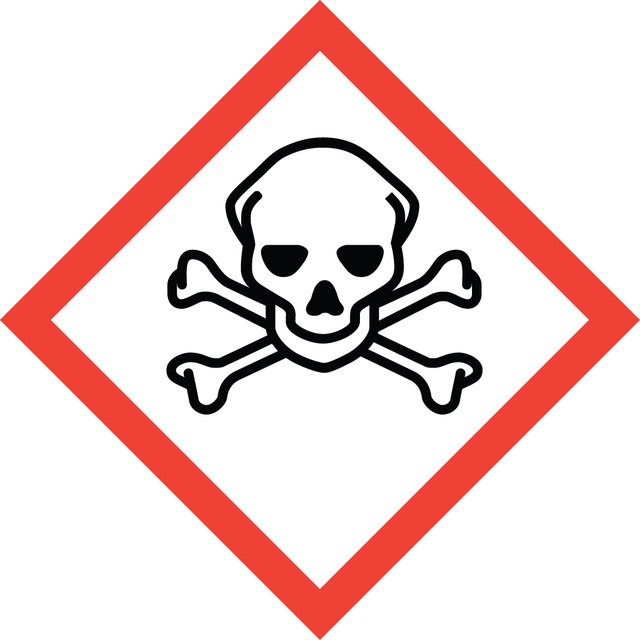

signalword

Danger

Hazard Classifications

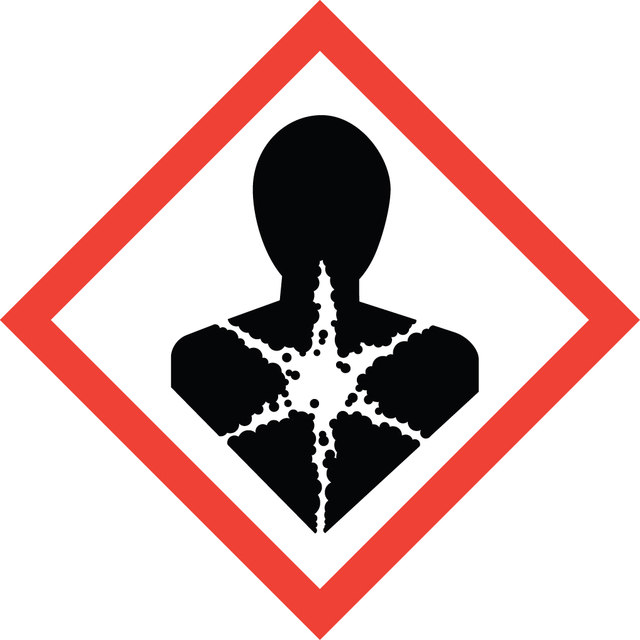
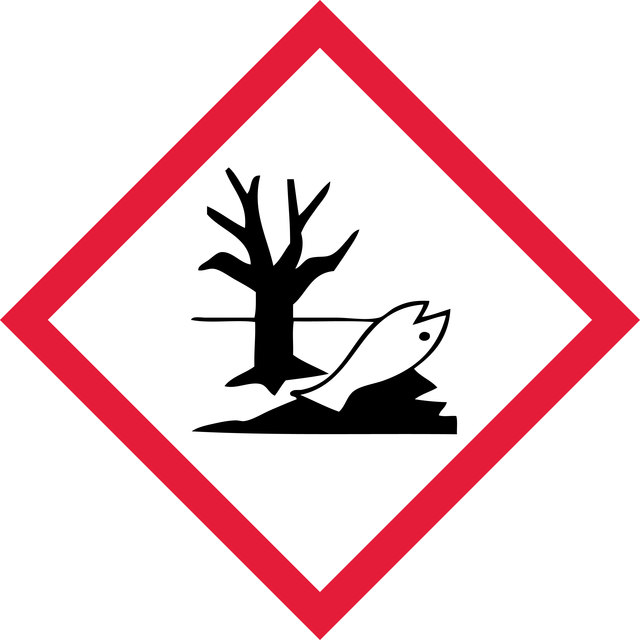
Acute Tox. 3 Dermal - Acute Tox. 3 Inhalation - Acute Tox. 3 Oral - Aquatic Acute 1 - Aquatic Chronic 1 - Carc. 2 - Eye Dam. 1 - Muta. 2 - Skin Sens. 1 - STOT RE 1

target_organs

Blood

Storage Class

6.1A - Combustible acute toxic Cat. 1 and 2 / very toxic hazardous materials

wgk

WGK 3

flash_point_f

158.0 °F - closed cup

flash_point_c

70 °C - closed cup

ppe

Eyeshields, Faceshields, Gloves, type ABEK (EN14387) respirator filter

Regulatory Information

危险化学品

This item has


Choose from one of the most recent versions:

Certificates of Analysis (COA)

Lot/Batch Number

Don't see the Right Version?

If you require a particular version, you can look up a specific certificate by the Lot or Batch number.

Already Own This Product?

Find documentation for the products that you have recently purchased in the Document Library.

Visit the Document Library


Teaching Innovations in Lipid Science (2007)
S A Vaziri et al.
Pharmacogenetics, 11(1), 7-20 (2001-02-24)
Arylamines such as 2-naphthylamine and 4-aminobiphenyl are suspected human bladder procarcinogens that require bioactivation to DNA-reactive species to exert their carcinogenic potential. The goals of the present study were (i) to assay for the presence of the arylamine acetyltransferases NAT1
M Peluso et al.
Carcinogenesis, 21(2), 183-187 (2000-02-05)
The 'Mediterranean diet', a diet rich in cereals, fruit and vegetables, has been associated with lowering the risk of a variety of cancers of the digestive tract and the bladder. In a previous study, we showed that the high phenolic


Global Trade Item Number

SKUGTIN
51788-1ML-F04061832541723
51788-5ML-F04061832541730