Skip to Content
Merck
CN

62862

Sodium dodecyl sulfate

greener alternative

≥90% ((Assay))

Synonym(s):

Dodecyl sodium sulfate, Dodecyl sulfate sodium salt, Lauryl sulfate sodium salt, SDS, Sodium lauryl sulfate

Sign In to View Organizational & Contract Pricing.

Select a Size

Change View

About This Item

Linear Formula:
CH3(CH2)11OSO3Na
CAS Number:
Molecular Weight:
288.38
NACRES:
NA.21
PubChem Substance ID:
eCl@ss:
39093306
UNSPSC Code:
12161900
EC Number:
205-788-1
MDL number:
Beilstein/REAXYS Number:
3599286
Technical Service
Need help? Our team of experienced scientists is here for you.
Let Us Assist


Quality Level

assay

≥90% ((Assay))

form

(Rods)

mol wt

288.38 g/mol

greener alternative product characteristics

Catalysis
Learn more about the Principles of Green Chemistry.

sustainability

Greener Alternative Product

description

anionic, 62

technique(s)

LC/MS: suitable, electrophoresis: suitable, protein quantification: suitable

mp

204-207 °C (lit.)

solubility

water: soluble

density

(1.03 g/cm3 at 20 °C (68 °F))

HLB

40

application(s)

(Western Blot)

greener alternative category

SMILES string

[Na+].CCCCCCCCCCCCOS([O-])(=O)=O

InChI

1S/C12H26O4S.Na/c1-2-3-4-5-6-7-8-9-10-11-12-16-17(13,14)15;/h2-12H2,1H3,(H,13,14,15);/q;+1/p-1

InChI key

DBMJMQXJHONAFJ-UHFFFAOYSA-M

General description

Sodium dodecyl sulfate (SDS), also known as sodium lauryl sulfate (SLS), has an alkyl tail of 12 carbon atoms attached to a sulfate group. It is an anionic surfactant due to the negative charge of its sulfate group.
We are committed to bringing you Greener Alternative Products, which adhere to one or more of The 12 Principles of Greener Chemistry. This product is used as a surfactant to enhance catalysis.  Click here for more information.

Application

Sodium dodecyl sulfate has been used:

  • to prepare Chit for coating the Janus micromotors for the synthesis of magnesium (Mg)-based micromotors
  • as a component in low salt lysis buffer to lyse the edible bird’s nest (EBN) treated cells for western blot analysis
  • in the preparation of decellularizing solution to scale down and decellularize skin fragments
Anionic detergent

Biochem/physiol Actions

Sodium dodecyl sulfate (SDS) is frequently used as an ingredient in a wide range of products, including pharmaceuticals, and product formulations. It is broadly used in several applications including electrophoresis for the separation of proteins and as an organic template for preparing periodic mesoporous organosilica nanospheres. SDS is also used in the solubilization of proteins and lipids, as well as drugs, dispersion of functionalized carbon nanotubes and graphene sheets, and gas hydrate formation. It is commonly used for the quick disruption of biological membranes. Due to its ability to disrupt the tissue architecture, SDS is preferred in several nucleic acid purification reagents. SDS has very low solubility in high salt, and chaotropic solutions and is readily precipitable in the presence of potassium salts, so it is usually not added to guanidinium buffers.

Features and Benefits

  • Assay: ≥90%
  • Suitable for LC/MS, electrophoresis, and protein quantification
  • Inhibits RNase and deoxyribonuclease (DNase) activity


Still not finding the right product?

Explore all of our products under Sodium dodecyl sulfate

signalword

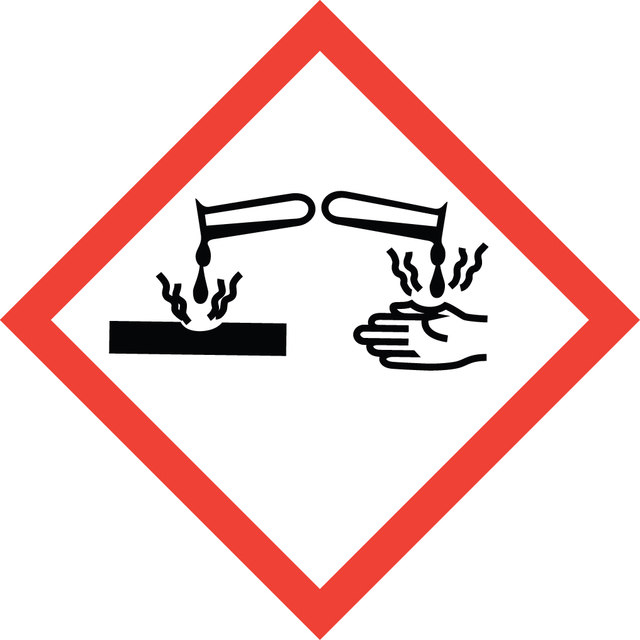
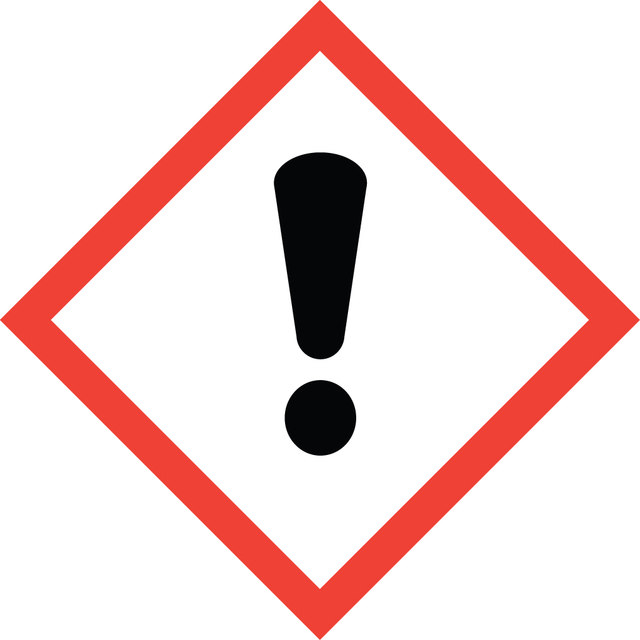
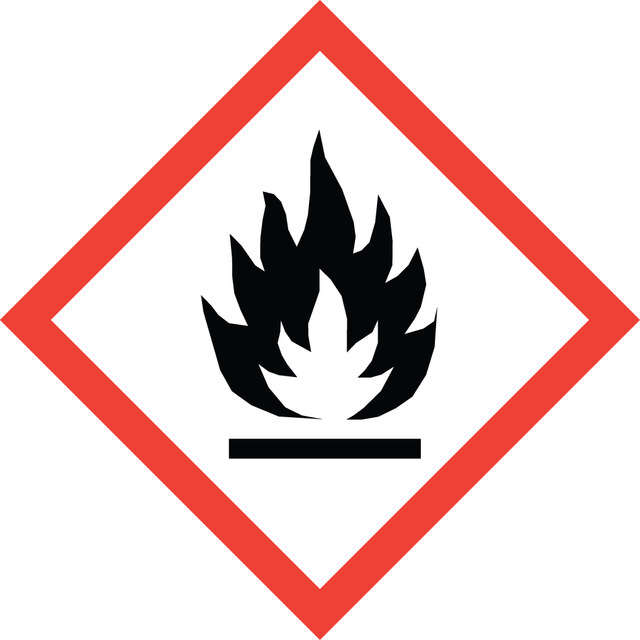
Danger

Hazard Classifications

Acute Tox. 4 Inhalation - Acute Tox. 4 Oral - Aquatic Chronic 3 - Eye Dam. 1 - Flam. Sol. 2 - Skin Irrit. 2 - STOT SE 3

target_organs

Respiratory system

Storage Class

4.1B - Flammable solid hazardous materials

wgk

WGK 2

flash_point_f

338.0 °F

flash_point_c

170 °C

ppe

Eyeshields, Faceshields, Gloves, type P3 (EN 143) respirator cartridges


Choose from one of the most recent versions:

Certificates of Analysis (COA)

Lot/Batch Number

Don't see the Right Version?

If you require a particular version, you can look up a specific certificate by the Lot or Batch number.

Already Own This Product?

Find documentation for the products that you have recently purchased in the Document Library.

Visit the Document Library


Shane Stegeman et al.
Cancer discovery, 5(4), 368-379 (2015-02-19)
Prostate cancer is the second most common malignancy among men worldwide. Genome-wide association studies have identified 100 risk variants for prostate cancer, which can explain approximately 33% of the familial risk of the disease. We hypothesized that a comprehensive analysis
Susanne Kohl et al.
Nature genetics, 47(7), 757-765 (2015-06-02)
Achromatopsia (ACHM) is an autosomal recessive disorder characterized by color blindness, photophobia, nystagmus and severely reduced visual acuity. Using homozygosity mapping and whole-exome and candidate gene sequencing, we identified ten families carrying six homozygous and two compound-heterozygous mutations in the
Lekun Fang et al.
Oncotarget, 5(10), 2974-2987 (2014-06-11)
Colorectal cancer (CRC) is one of the most common cancers worldwide, especially in Western countries. Although chemotherapy is used as an adjuvant or as a palliative treatment, drug resistance poses a great challenge. This study intended to identify biomarkers as


Global Trade Item Number

SKUGTIN
62862-1KG04061832708546
62862-6X1KG04061833607046
62862-15KG04061832708539