
63200

Maleic anhydride
puriss., ≥99.0% (NT)
Synonym(s):
2,5-Furandione
Select a Size
About This Item
vapor density
3.4 (vs air)
Quality Level
vapor pressure
0.16 mmHg ( 20 °C)
grade
puriss.
assay
≥99.0% (NT)
form
flakes, powder or crystals
autoignition temp.
870 °F
expl. lim.
7.1 %
bp
200 °C (lit.)
mp
51-56 °C (lit.), 52-54 °C
SMILES string
O=C1OC(=O)C=C1
InChI
1S/C4H2O3/c5-3-1-2-4(6)7-3/h1-2H
InChI key
FPYJFEHAWHCUMM-UHFFFAOYSA-N
General description
Application
- Workplace air samples by capillary gas chromatography combined with electron capture detection (GC-ECD).
It may be used as a derivatization agent for fatty alcohol ethoxylates in:
- Industrial mixtures, cleaning products and river and sea waters by high performance liquid chromatography (HPLC) coupled with ultraviolet-visible (UV-Vis) diode array detection (DAD).
Other Notes
Still not finding the right product?
Explore all of our products under Maleic anhydride
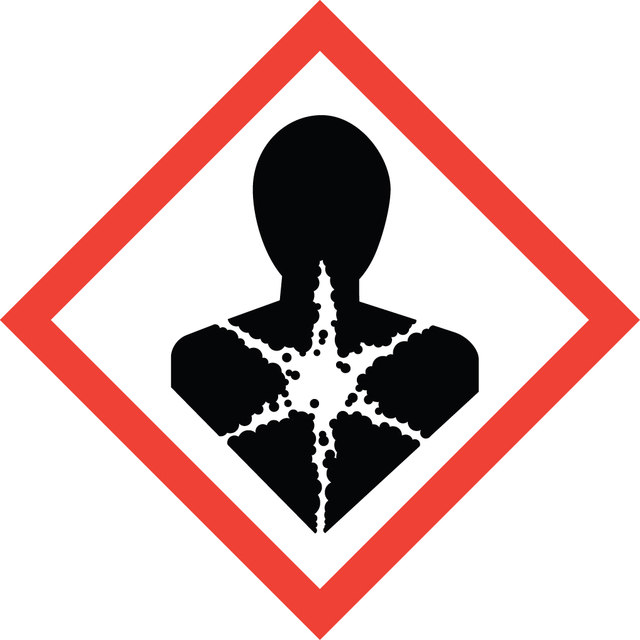
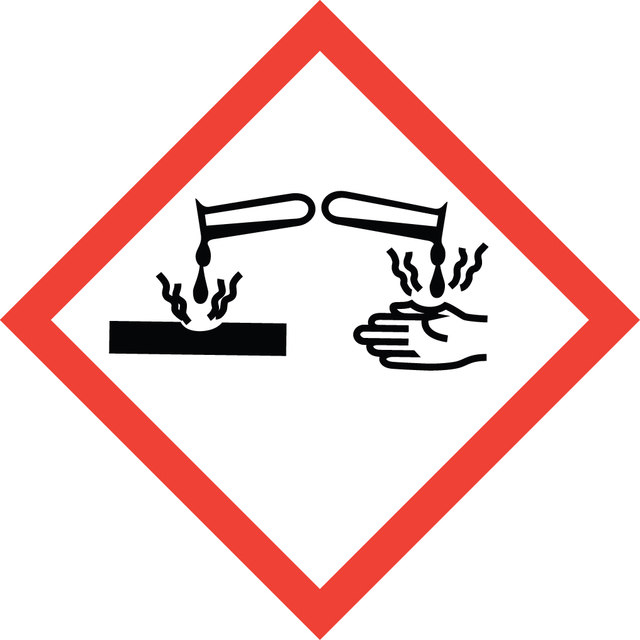
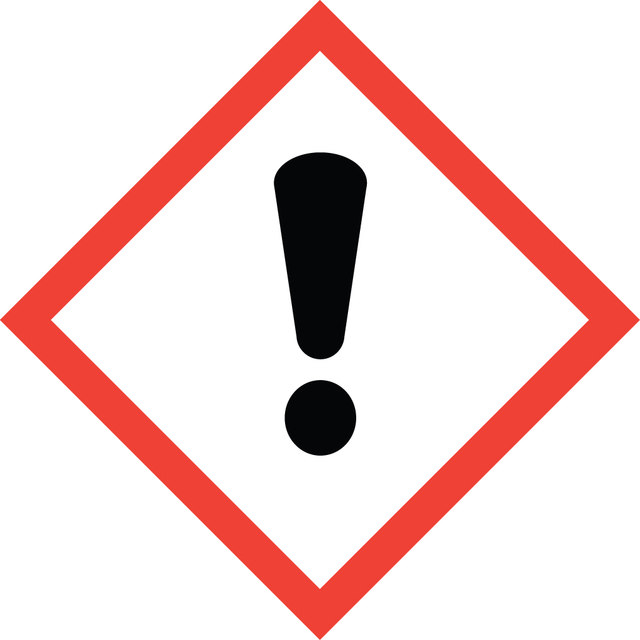
signalword
Danger
hcodes
Hazard Classifications
Acute Tox. 4 Oral - Eye Dam. 1 - Resp. Sens. 1 - Skin Corr. 1B - Skin Sens. 1A - STOT RE 1 Inhalation
target_organs
Respiratory system
supp_hazards
Storage Class
6.1D - Non-combustible acute toxic Cat.3 / toxic hazardous materials or hazardous materials causing chronic effects
wgk
WGK 1
flash_point_f
217.4 °F - closed cup
flash_point_c
103 °C - closed cup
ppe
Eyeshields, Faceshields, Gloves, type P3 (EN 143) respirator cartridges
Regulatory Information
This item has
Choose from one of the most recent versions:
Already Own This Product?
Find documentation for the products that you have recently purchased in the Document Library.
Articles
Innovation in dental restorative materials is driven by the need for biocompatible and natural-appearing restoration alternatives. Conventional dental materials like amalgam and composite resins have inherent disadvantages.
Global Trade Item Number
| SKU | GTIN |
|---|---|
| M27387-1G | 04061825590608 |
| 63200-100G-F | 04061832721286 |
| 63200-500G-F | 04061835383092 |