
71950

Sodium selenite
anhydrous, ≥90.0% (RT)
Synonym(s):
Selenious acid disodium salt
Select a Size
About This Item
Quality Level
assay
≥90.0% (RT)
form
powder
loss
≤0.5% loss on drying, 200 °C
mp
>350 °C (lit.)
SMILES string
[Na+].[Na+].[O-][Se]([O-])=O
InChI
1S/2Na.H2O3Se/c;;1-4(2)3/h;;(H2,1,2,3)/q2*+1;/p-2
InChI key
BVTBRVFYZUCAKH-UHFFFAOYSA-L
Application
- In dehydrogenation of benzoins to benzils and, flavanones to flavones under thermal and microwave conditions.
- As a catalyst along with cysteine or glutathione in the reductive debromination of vic-dibromides to alkenes.
- To prepare bis(methylmercuric) selenide (BMS) by reacting with methylmercuric chloride and reduced glutathione or cysteine.
Still not finding the right product?
Explore all of our products under Sodium selenite
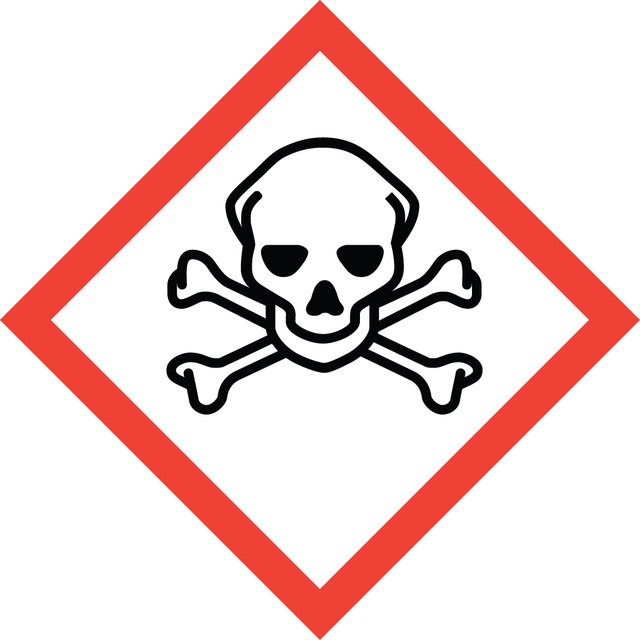
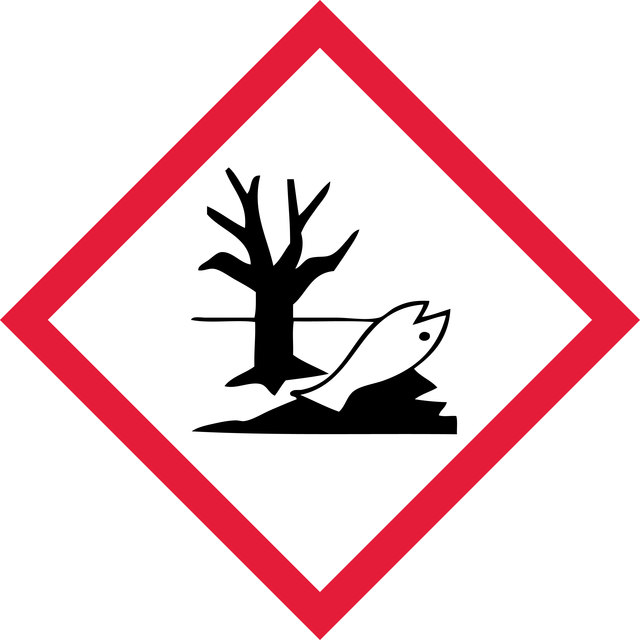
signalword
Danger
Hazard Classifications
Acute Tox. 2 Inhalation - Acute Tox. 2 Oral - Aquatic Chronic 2 - Eye Irrit. 2 - Skin Irrit. 2 - Skin Sens. 1
supp_hazards
Storage Class
6.1A - Combustible acute toxic Cat. 1 and 2 / very toxic hazardous materials
wgk
WGK 2
flash_point_f
Not applicable
flash_point_c
Not applicable
ppe
Eyeshields, Faceshields, Gloves, type P3 (EN 143) respirator cartridges
Regulatory Information
This item has
Choose from one of the most recent versions:
Already Own This Product?
Find documentation for the products that you have recently purchased in the Document Library.
Articles
抗氧化剂可保护生物系统免受含氧自由基和氧化还原过渡金属离子(如铁、铜和镉)引起的氧化损伤。
Antioxidants protect biological systems from oxidative damage produced by oxygen-containing free radicals and from redoxactive transition metal ions such as iron, copper, and cadmium.
Global Trade Item Number
| SKU | GTIN |
|---|---|
| 71950-100G | 04061832855332 |
| 71950-500G | 04061833440957 |