
909122

Potassium hydroxide
free-flowing, Redi-Dri™, reagent grade, 90%, flakes
Synonym(s):
Caustic potash
Select a Size
About This Item
grade
reagent grade
agency
suitable for EPA 1613, suitable for SM 5210
vapor pressure
1 mmHg ( 719 °C)
product line
Redi-Dri™
assay
90%
form
flakes
pH
~13.5 (25 °C, 5.6 g/L)
mp
361 °C (lit.)
SMILES string
[OH-].[K+]
InChI
1S/K.H2O/h;1H2/q+1;/p-1
InChI key
KWYUFKZDYYNOTN-UHFFFAOYSA-M
Application
Legal Information
Still not finding the right product?
Explore all of our products under Potassium hydroxide
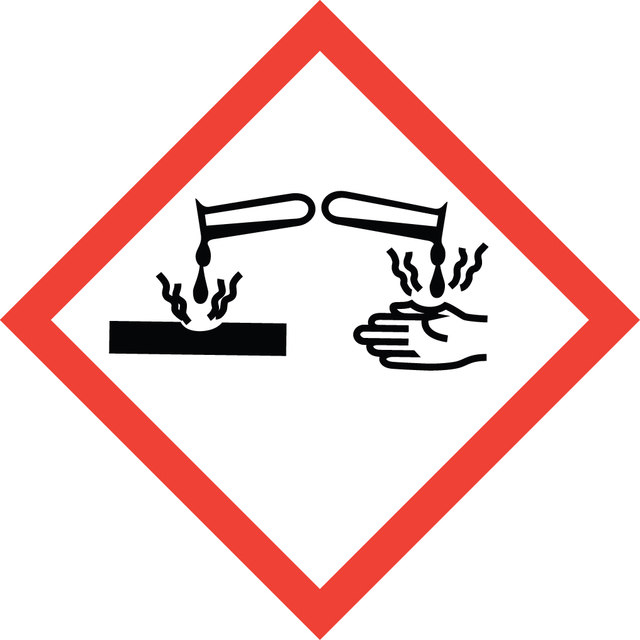
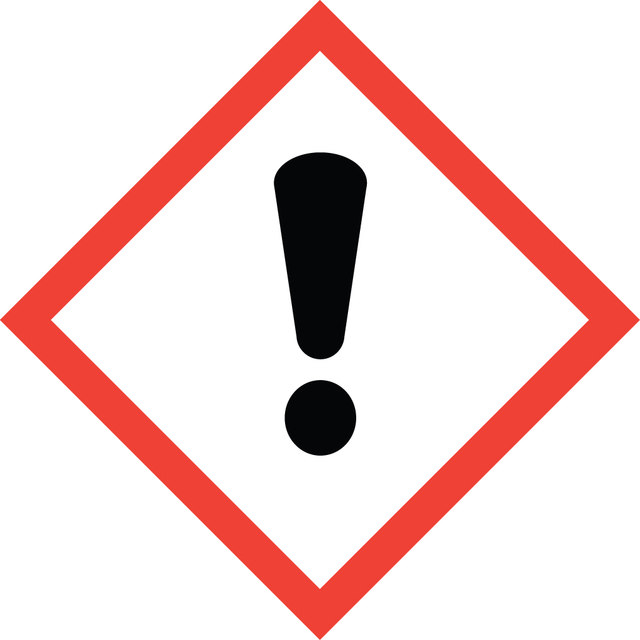
signalword
Danger
hcodes
Hazard Classifications
Acute Tox. 4 Oral - Eye Dam. 1 - Met. Corr. 1 - Skin Corr. 1A
Storage Class
8B - Non-combustible corrosive hazardous materials
wgk
WGK 1
flash_point_f
Not applicable
flash_point_c
Not applicable
Regulatory Information
This item has
Choose from one of the most recent versions:
Already Own This Product?
Find documentation for the products that you have recently purchased in the Document Library.
Articles
Redi-Dri™ prevents hygroscopic powders, such as inorganic salts, from absorbing moisture and forming clumps, leaving the salts free-flowing every time.
Related Content
This page is intended to make it easier to find the consumables you need based on the analytical method you’re using. Methods included on this page come from the EPA, Standard Methods and ASTM.