
95054

Azelaic acid
analytical standard
Synonym(s):
Nonanedioic acid
Sign In to View Organizational & Contract Pricing.
Select a Size
Change View
About This Item
Linear Formula:
HO2C(CH2)7CO2H
CAS Number:
Molecular Weight:
188.22
UNSPSC Code:
85151701
NACRES:
NA.24
PubChem Substance ID:
EC Number:
204-669-1
Beilstein/REAXYS Number:
1101094
MDL number:
grade
analytical standard
Quality Level
vapor density
6.5 (vs air)
vapor pressure
<1 mmHg ( 20 °C)
assay
≥98.5% (GC)
shelf life
limited shelf life, expiry date on the label
technique(s)
HPLC: suitable, gas chromatography (GC): suitable
impurities
≤0.5% water
bp
286 °C/100 mmHg (lit.)
mp
106-112 °C, 109-111 °C (lit.)
application(s)
cleaning products
cosmetics
flavors and fragrances
food and beverages
personal care
format
neat
SMILES string
OC(=O)CCCCCCCC(O)=O
InChI
1S/C9H16O4/c10-8(11)6-4-2-1-3-5-7-9(12)13/h1-7H2,(H,10,11)(H,12,13)
InChI key
BDJRBEYXGGNYIS-UHFFFAOYSA-N
General description
Azelaic acid (heptane-l,7-dicarboxylic acid), a dicarboxylic saturated acid, is an active component of some topical anti-acne preparations. It is reportedly identified in cosmetics and pharmaceuticals. Azelaic acid is found to suppress the growth of Propionibacterium spp. and reduce keratinization.
This substance is listed on the positive list of the EU regulation 10/2011 for plastics intended to come into contact with food. Find all available reference materials for compounds listed in 10/2011 here
Application
Azelaic acid may be used as an analytical reference standard for the quantification of the analyte in the following:
- Tobacco using gas chromatography coupled to mass spectrometry (GC-MS).
- Topical preparations using reversed-phase liquid chromatographic (LC) with UV-Vis detection.
Refer to the product′s Certificate of Analysis for more information on a suitable instrument technique. Contact Technical Service for further support.
Still not finding the right product?
Explore all of our products under Azelaic acid
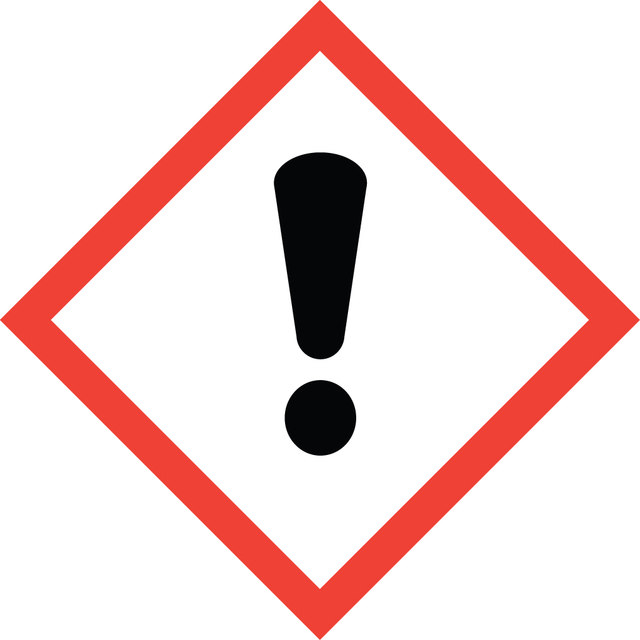
signalword
Warning
hcodes
Hazard Classifications
Eye Irrit. 2 - Skin Irrit. 2
Storage Class
11 - Combustible Solids
wgk
WGK 1
flash_point_f
410.0 °F - closed cup
flash_point_c
210 °C - closed cup
Choose from one of the most recent versions:
Already Own This Product?
Find documentation for the products that you have recently purchased in the Document Library.
Dongdong Zhang et al.
Oxidative medicine and cellular longevity, 2020, 1295984-1295984 (2021-01-12)
Acute myeloid leukemia (AML) is a hematological malignancy with a poor prognosis attributed to elevated reactive oxygen species (ROS) levels. Thus, agents that inhibit ROS generation in AML should be exploited. Azelaic acid (AZA), a small molecular compound, can scavenge
Harald Gollnick et al.
Expert opinion on pharmacotherapy, 9(15), 2699-2706 (2008-09-23)
Rosacea represents a chronic inflammatory dermatosis of uncertain pathophysiology. There are several associated risk factors and the need for long-term treatment is well recognized. This diverse disease is frequently difficult to manage and has a significant impact on quality of
Boni Elewski et al.
Cutis, 77(2 Suppl), 12-16 (2006-03-29)
Azelaic acid (AzA) initially was released in a 20% cream formulation, which has been shown to be effective in the treatment of mild to moderate rosacea. Recently, a 15% gel formulation was developed that vastly improved the delivery of AzA
Global Trade Item Number
| SKU | GTIN |
|---|---|
| 95054-100MG | 04061833305201 |