
96566

1-Propanol
analytical standard
Synonym(s):
Propyl alcohol
Select a Size
About This Item
grade
analytical standard
Quality Level
vapor density
2.1 (vs air)
vapor pressure
10 mmHg ( 147 °C), 14.9 mmHg ( 20 °C)
assay
≥99.9% (GC)
autoignition temp.
700 °F
shelf life
limited shelf life, expiry date on the label
expl. lim.
13.7 %
technique(s)
HPLC: suitable, gas chromatography (GC): suitable
refractive index
n20/D 1.384 (lit.), n20/D 1.385
bp
97 °C (lit.)
mp
−127 °C (lit.)
density
0.804 g/mL at 25 °C (lit.)
application(s)
cleaning products
cosmetics
environmental
flavors and fragrances
food and beverages
personal care
format
neat
SMILES string
CCCO
InChI
1S/C3H8O/c1-2-3-4/h4H,2-3H2,1H3
InChI key
BDERNNFJNOPAEC-UHFFFAOYSA-N
General description
Application
- Determination of acetaldehyde, methanol, and higher alcohols in different liquor samples by headspace gas chromatography (HS-GC) method coupled with flame ionization detector (FID)
- Identification of major odorants in chixiang aroma-type liquor using gas chromatography-olfactometry and further determination of the alcoholic odorants by GC-FID
- Analysis of 56 illegal alcohol samples to detect the presence of methanol and its derivatives gas chromatography-mass spectrometry (GC-MS)
- Detection and quantification of volatile organic compounds (VOCs) in 75 liquor samples by gas chromatography combined with mass spectrometry (GC-MS)
- Qualitative and quantitative analysis of 10 volatile organic compounds from different chemical classes in potable whey-based spirits during different stages of distillation
Other Notes
Still not finding the right product?
Explore all of our products under 1-Propanol
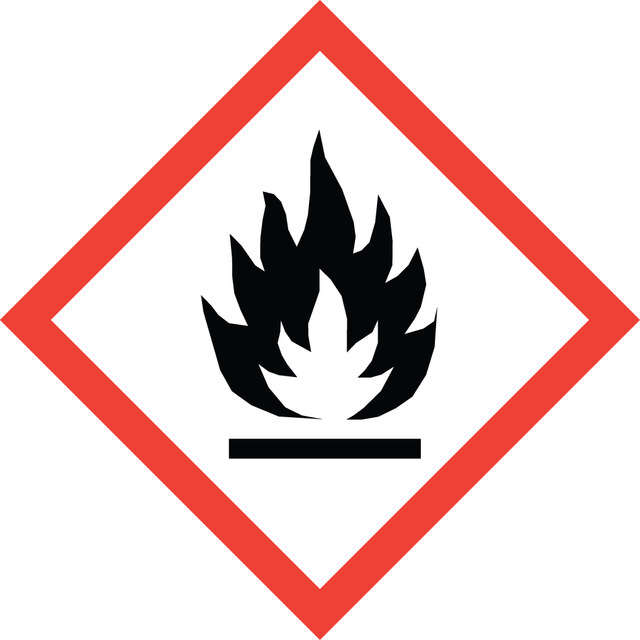
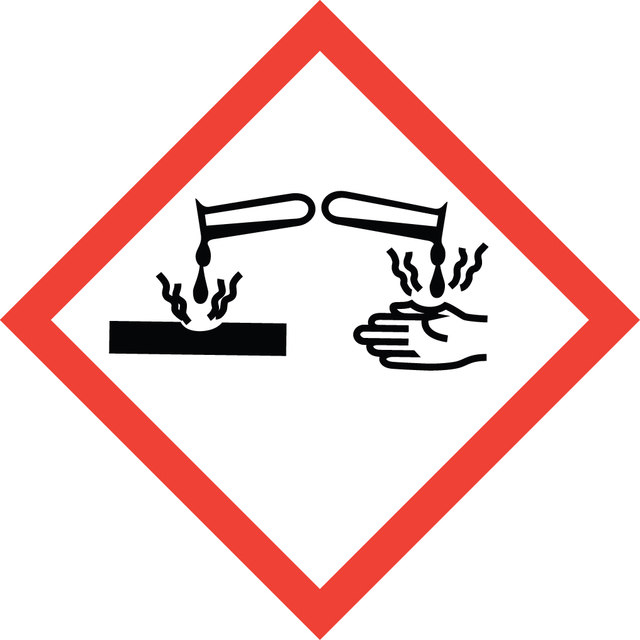

signalword
Danger
hcodes
Hazard Classifications
Eye Dam. 1 - Flam. Liq. 2 - STOT SE 3
target_organs
Central nervous system
Storage Class
3 - Flammable liquids
wgk
WGK 1
flash_point_f
71.6 °F - closed cup
flash_point_c
22 °C - closed cup
ppe
Eyeshields, Faceshields, Gloves, type ABEK (EN14387) respirator filter
Regulatory Information
This item has
Choose from one of the most recent versions:
Already Own This Product?
Find documentation for the products that you have recently purchased in the Document Library.
Articles
顶空级溶剂在有机挥发性杂质分析之中的应用
Learn about analyzing organic volatile impurities (OVIs) in pharmaceuticals using SH-GC, focusing on suitable solvents and ensuring compliance.
Global Trade Item Number
| SKU | GTIN |
|---|---|
| 96566-10ML-F | 04061833319956 |
| 96566-5ML-F | 04061833324479 |