
Sign In to View Organizational & Contract Pricing.
Select a Size
Change View
About This Item
Linear Formula:
OHC(CH2)3CHO
CAS Number:
Molecular Weight:
100.12
UNSPSC Code:
12352114
NACRES:
NA.21
PubChem Substance ID:
MDL number:
Beilstein/REAXYS Number:
605390
Form:
liquid
form
liquid
concentration
50% in H2O
color
colorless
mp
-21 °C ((-6 °F))
solubility
water: soluble
suitability
suitable for photographic applications
SMILES string
[H]C(CCCC([H])=O)=O
InChI
1S/C5H8O2/c6-4-2-1-3-5-7/h4-5H,1-3H2
InChI key
SXRSQZLOMIGNAQ-UHFFFAOYSA-N
Application
- Assessment of dimensional stability of novel VPES impression material at different time intervals with standard disinfectants.: This research evaluates the dimensional stability of a novel vinyl polyether silicone (VPES) impression material when exposed to various disinfectants, including glutaraldehyde solutions, demonstrating its reliability for dental applications (Ahuja et al., 2024).
Other Notes
To gain a comprehensive understanding of our extensive range of Monosaccharides for your research, we encourage you to visit our Carbohydrates Category page.
Disclaimer
The product is not intended for use as a biocide under global biocide regulations, including but not limited to US EPA′s Federal Insecticide Fungicide and Rodenticide Act, European Biocidal Products Regulation, Canada’s Pest Management Regulatory Agency, Turkey’s Biocidal Products Regulation, Korea’s Consumer Chemical Products and Biocide Safety Management Act (K-BPR) and others.
Still not finding the right product?
Explore all of our products under Glutaraldehyde solution
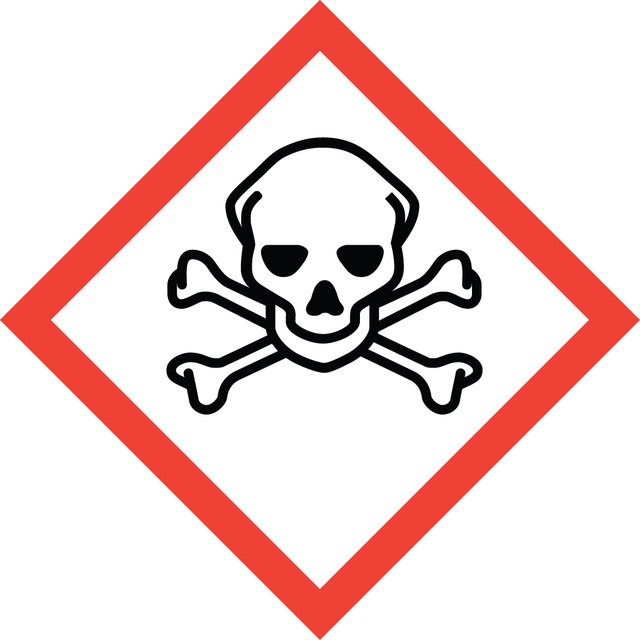
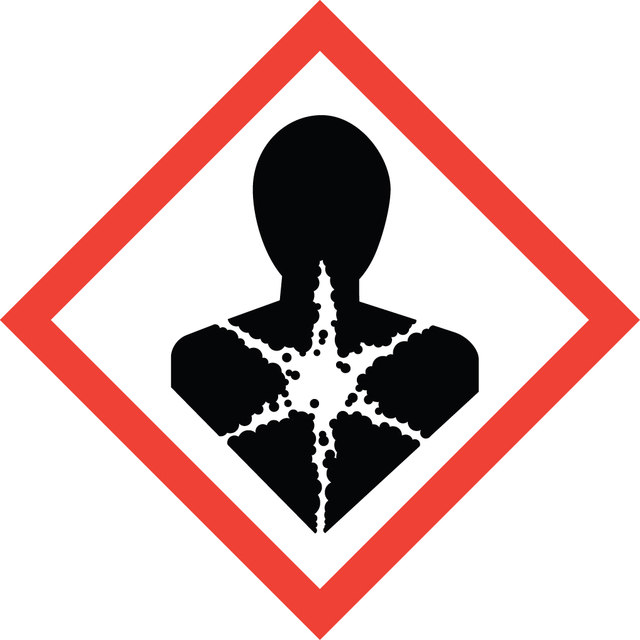

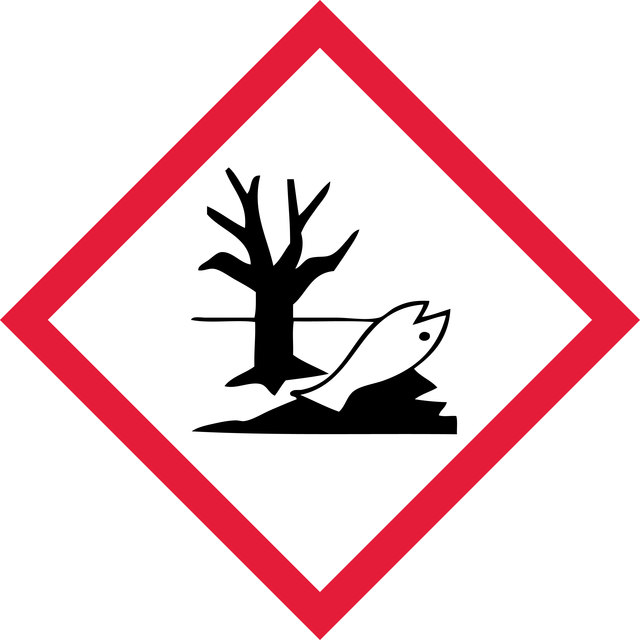
signalword
Danger
Hazard Classifications
Acute Tox. 3 Inhalation - Acute Tox. 4 Oral - Aquatic Acute 1 - Aquatic Chronic 2 - Eye Dam. 1 - Resp. Sens. 1 - Skin Corr. 1B - Skin Sens. 1 - STOT SE 3
target_organs
Respiratory system
supp_hazards
Storage Class
6.1A - Combustible acute toxic Cat. 1 and 2 / very toxic hazardous materials
wgk
WGK 3
flash_point_f
Not applicable
flash_point_c
Not applicable
Choose from one of the most recent versions:
Already Own This Product?
Find documentation for the products that you have recently purchased in the Document Library.
Irene Costantini et al.
Scientific reports, 5, 9808-9808 (2015-05-08)
Extensive mapping of neuronal connections in the central nervous system requires high-throughput µm-scale imaging of large volumes. In recent years, different approaches have been developed to overcome the limitations due to tissue light scattering. These methods are generally developed to
Andri K Riau et al.
Investigative ophthalmology & visual science, 55(5), 3186-3194 (2014-04-26)
To compare flap adhesion strength, stromal bed quality, and tissue responses after flap preparation using nJ- and μJ-energy level femtosecond lasers. All corneal flaps were created by either VisuMax laser (μJ-energy level) or femto-LDV (nJ-energy level). Flap adhesion strength in
Jamie Hinks et al.
Applied and environmental microbiology, 81(6), 1949-1958 (2015-01-13)
The modification of microbial membranes to achieve biotechnological strain improvement with exogenous small molecules, such as oligopolyphenylenevinylene-conjugated oligoelectrolyte (OPV-COE) membrane insertion molecules (MIMs), is an emerging biotechnological field. Little is known about the interactions of OPV-COEs with their target, the
Global Trade Item Number
| SKU | GTIN |
|---|---|
| G6403-100ML | 04061833639139 |
| G6403-500ML | 04061833639146 |