
Sign In to View Organizational & Contract Pricing.
Select a Size
Change View
About This Item
Linear Formula:
C6H4-1,3-(OH)2
CAS Number:
Molecular Weight:
110.11
UNSPSC Code:
41116107
NACRES:
NA.24
PubChem Substance ID:
MDL number:
Beilstein/REAXYS Number:
906905
grade
pharmaceutical primary standard
vapor density
3.8 (vs air)
vapor pressure
1 mmHg ( 21.1 °C)
API family
hymecromone
autoignition temp.
1126 °F
manufacturer/tradename
EDQM
application(s)
pharmaceutical (small molecule)
format
neat
storage temp.
2-8°C
SMILES string
Oc1cccc(O)c1
InChI
1S/C6H6O2/c7-5-2-1-3-6(8)4-5/h1-4,7-8H
InChI key
GHMLBKRAJCXXBS-UHFFFAOYSA-N
General description
This product is provided as delivered and specified by the issuing Pharmacopoeia. All information provided in support of this product, including SDS and any product information leaflets have been developed and issued under the Authority of the issuing Pharmacopoeia.For further information and support please go to the website of the issuing Pharmacopoeia.
Application
Hymecromone impurity A EP Reference standard, intended for use in laboratory tests only as specifically prescribed in the European Pharmacopoeia.
Packaging
The product is delivered as supplied by the issuing Pharmacopoeia. For the current unit quantity, please visit the EDQM reference substance catalogue.
Other Notes
Sales restrictions may apply.
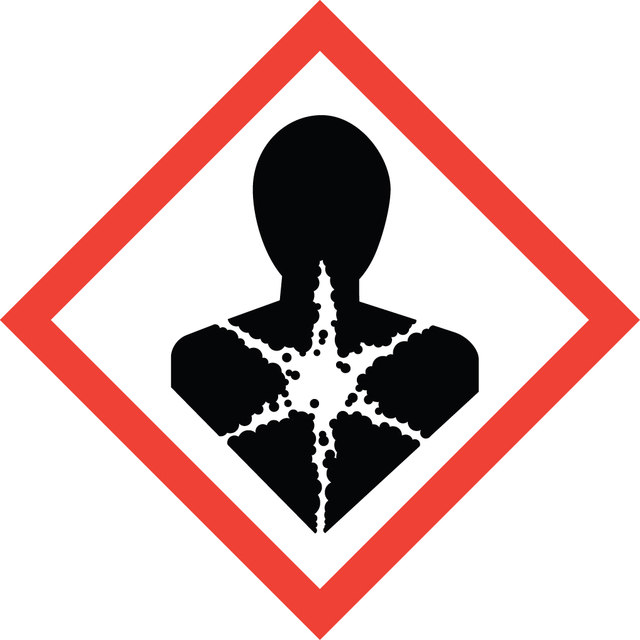
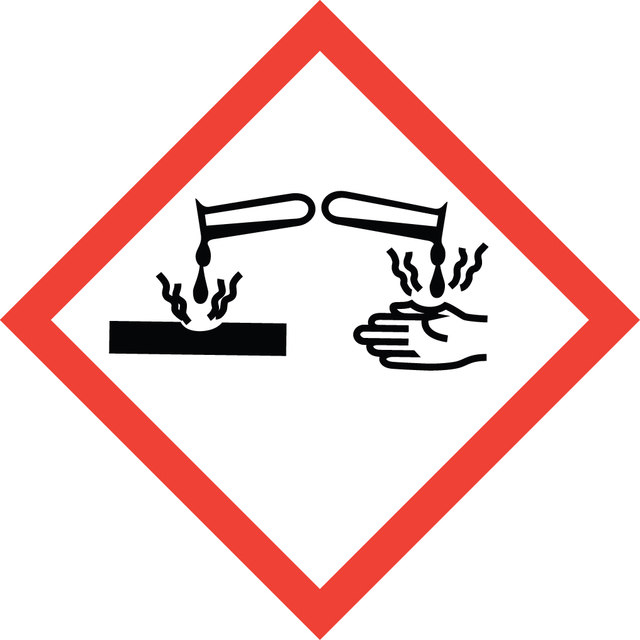

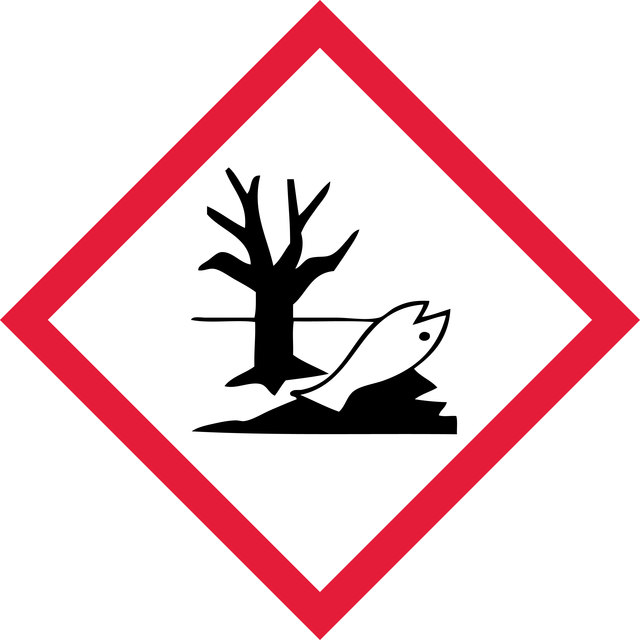
signalword
Danger
Hazard Classifications
Acute Tox. 4 Oral - Aquatic Acute 1 - Aquatic Chronic 3 - Eye Dam. 1 - Skin Irrit. 2 - Skin Sens. 1 - STOT SE 1 Oral - STOT SE 2 Oral
target_organs
Central nervous system,Blood, Respiratory system
Storage Class
6.1C - Combustible acute toxic Cat.3 / toxic compounds or compounds which causing chronic effects
wgk
WGK 2
flash_point_f
260.6 °F - closed cup
flash_point_c
127 °C - closed cup
Regulatory Information
危险化学品
This item has
Choose from one of the most recent versions:
Already Own This Product?
Find documentation for the products that you have recently purchased in the Document Library.
Frank Welsch
International journal of toxicology, 27(1), 59-63 (2008-02-23)
Medical case reports published in the 20th century over the course of several decades show that resorcinol caused reversible adverse effects on the human thyroid gland (TG) manifested as hypothyroidism. Affected patients had ulcerating leg varicosities and underwent prolonged treatment
Ahmed M Elkhatat et al.
Advanced materials (Deerfield Beach, Fla.), 23(26), 2887-2903 (2011-05-25)
An overview on the preparation and properties of resorcinol-formaldehyde (RF) organic and carbon gels reveals the fascinating and remarkably flexible properties of RF carbon and organic gels and how these properties are related to the synthesis and processing conditions. The
Barry S Lynch et al.
Regulatory toxicology and pharmacology : RTP, 36(2), 198-210 (2002-12-04)
Resorcinol administered at high doses to rodents can disrupt thyroid hormone synthesis and can produce goitrogenic effects. These effects were not seen in a 2-year bioassay at doses of up to 520 mg/kg/day. There are species-specific differences in synthesis, binding
Global Trade Item Number
| SKU | GTIN |
|---|---|
| Y0000012 | 04061833801673 |